



Five things to know about Malaysia’s Kwap-eFishery controversy
How a Malaysian pension fund’s investment in an Indonesian unicorn became a governance flashpoint

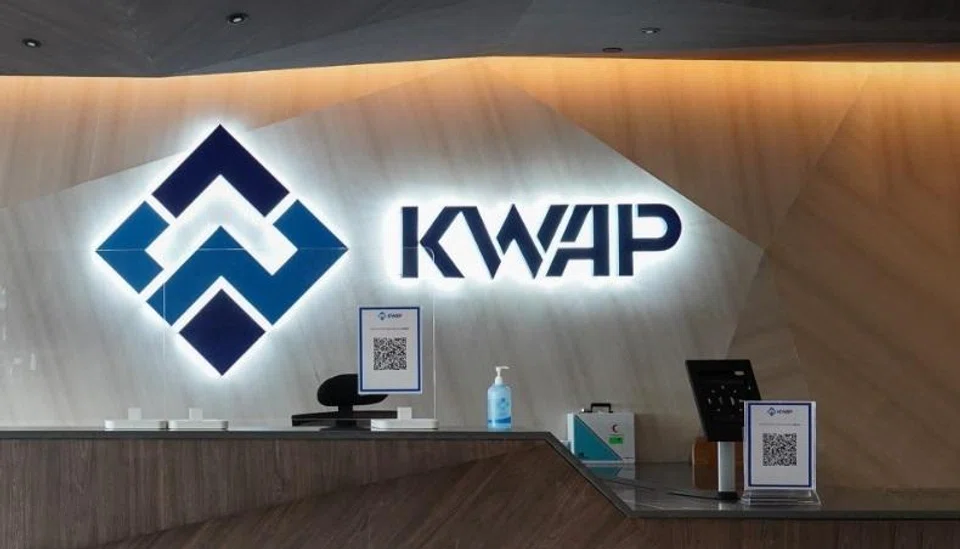
[KUALA LUMPUR] Malaysia’s RM163.4 million (US$40 million) investment in Indonesian startup eFishery has become the latest in a string of controversies over the years involving the country’s public and retirement funds.
The backlash follows revelations in parliament that the civil service pension fund Kumpulan Wang Persaraan (Diperbadankan) or Kwap fell victim to what the government described as a sophisticated fraud scheme.
The case has raised concerns over how public pension money is invested, whether existing due diligence processes are sufficient for private-market investments, and what lessons institutional investors should draw from one of South-east Asia’s biggest startup scandals.
Here’s what you need to know:
1. What’s at stake?
The central controversy is not just the size of the loss, but the fact that it involved the country’s civil service pension fund.
Established under the Retirement Fund Act 2007, Kwap manages pension contributions from about 177,700 pensionable employees from statutory bodies, local authorities and selected agencies, and administers pension payments to more than 810,000 retired civil servants and beneficiaries. As at end-2024, it managed RM185.6 billion in assets.
In July 2023, Kwap invested about US$47.7 million – around RM200 million at the time – in the aquaculture tech startup, although its current disclosed exposure is RM163.4 million, reflecting the carrying value of its investment.
Although the eFishery investment represents less than 0.1 per cent of Kwap’s fund size, it attracted widespread scrutiny because public money was invested in an overseas startup that later became the subject of a large fraud case.
Malaysia’s former investment, trade and industry minister Tengku Zafrul Abdul Aziz said the investment would not affect pension payments, noting that it represented less than 1 per cent of Kwap’s annual investment income and did not threaten the fund’s overall financial position.
Prime Minister and Finance Minister Anwar Ibrahim defended the investment process in parliament, while the Malaysian Anti-Corruption Commission (MACC) formed a special task force to review the investment.
The investigation, launched on Jul 17, has added another layer of scrutiny to the case alongside calls by lawmakers for the Public Accounts Committee to examine Kwap’s investment process.
2. What went wrong?

Founded in Indonesia in 2013, eFishery developed Internet-connected automated feeders for fish and shrimp farmers and grew into one of South-east Asia’s best-known agritech startups.
In 2023, the company raised about US$200 million in a Series D funding round that valued it at US$1.4 billion, attracting investors including SoftBank Vision Fund, Temasek, Peak XV Partners, 42XFund and Kwap.
Forensic probes later found years of accounting manipulation, including inflated revenue, hidden losses and fake feeder numbers.
Following whistle-blower reports in late 2024, the board suspended CEO Gibran Huzaifah and chief product officer Chrisna Aditya, triggering a total collapse in the company’s valuation.
On Apr 29, a Bandung court convicted Gibran of embezzlement and money laundering, sentencing him to nine years in prison.
3. What the case highlights?
The case illustrates the limits of conventional due diligence when senior management deliberately manipulates financial records over several years.
While investors typically examine audited accounts, customer contracts and business operations, sophisticated accounting fraud can remain hidden if false information is consistently presented throughout the investment process.
According to Malaysia’s Finance Ministry, Kwap relied on audited financial statements and conducted its own due diligence before investing.
Kwap was not alone in backing eFishery. The startup had also attracted prominent institutional investors, including Temasek, SoftBank Vision Fund, Peak XV Partners, Northstar and 42XFund.
4. How has Kwap tightened processes?
The Malaysian Finance Ministry told parliament that Kwap’s investment panel and board approved the investment in July 2023 after reviewing audited financial statements and taking into account due diligence conducted by the fund and other institutional co-investors.
Following the discovery of the fraud, Kwap undertook an internal review of its investment approval and monitoring processes.
The pension fund said it has strengthened its private-market investment framework by enhancing portfolio diversification, tightening pre-investment assessments and improving post-investment monitoring to better detect risks in future investments.
5. What happens next?
The focus has now shifted from the investment itself to accountability and recovery.
MACC has launched a formal investigation into allegations of corruption, abuse of power and misappropriation linked to Kwap’s investment, while also examining whether proper governance procedures, legal requirements and investment approval processes were followed.
As at Jul 22, the anti-graft agency had recorded statements from 10 witnesses, including senior officials from Kwap and the Finance Ministry who were involved in the investment decision-making process.
Investigators entered Kwap’s headquarters on Jul 20 to seize documents, including proposal papers, due diligence reports, site visit reports, investment committee minutes, financial records and internal procedures relating to the eFishery investment.
In a statement on Jul 23, MACC chief commissioner Abdul Halim Aman said investigators are analysing the statements and documentary evidence, while tracing financial transactions, including cash transaction reports and suspicious transaction reports.
More witnesses, including members of Kwap’s finance committee and investment panel, are expected to be interviewed as the investigation progresses.
Separately, Kwap said it is pursuing all available legal avenues to maximise recovery of its RM163.4 million investment and has strengthened its private-market investment framework through tighter due diligence, enhanced portfolio monitoring and greater diversification.
TRENDING NOW

Once staunchly pro-China, Malaysian Chinese businesses are now distancing themselves from Beijing

Looking beyond looming CEO succession, should UOB potentially pursue a transformative merger?

Could stablecoins be the future of money?

Grab CEO’s wife Chloe Tong on life with Anthony Tan and finding her purpose

