Former Malaysia PM Muhyiddin quits Perikatan Nasional leadership, triggering shake-up in opposition
Political fallout from Perlis is accelerating leadership changes, testing the coalition’s cohesion and direction

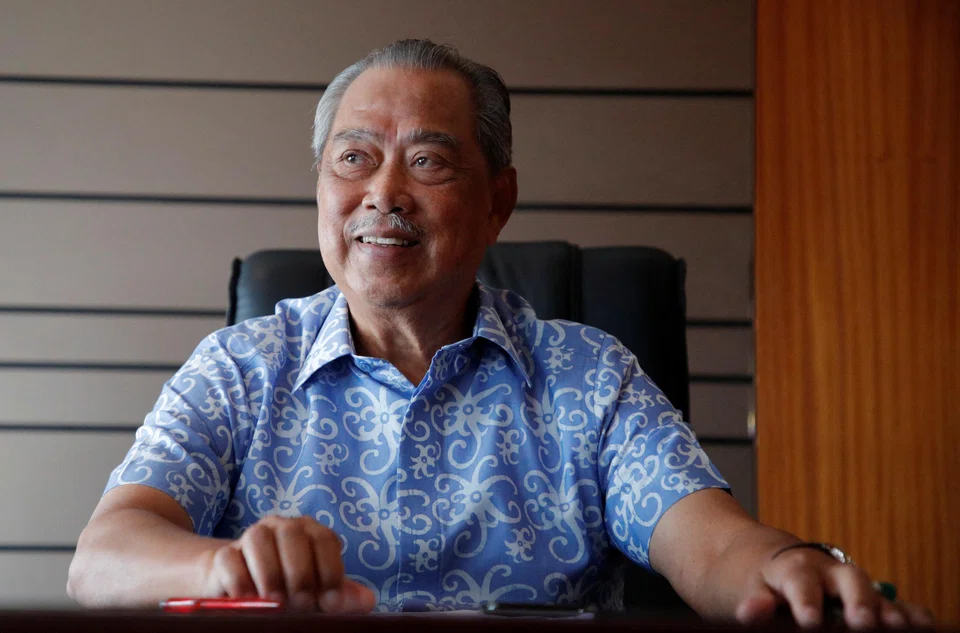
[KUALA LUMPUR] The resignation of former prime minister Muhyiddin Yassin as chairman of the Perikatan Nasional (PN) coalition signals a pivotal shift for Malaysia’s opposition, analysts say, as rifts exposed by the Perlis power struggle prompt leadership recalibration.
The 78-year-old president of the Malaysian United Indigenous Party (Bersatu) announced his exit on Tuesday (Dec 30), effective from Jan 1, 2026. The move ends his oversight of the political coalition he formed in 2020, during the crisis that toppled the Pakatan Harapan government and made him prime minister for 17 months until 2021. PN is Malaysia’s main opposition bloc and comprises Bersatu, the Malaysian Islamic Party (PAS), Parti Gerakan Rakyat Malaysia and the Malaysian Indian People’s Party.
“I would like to thank all the PN leaders who have given me full support during my time leading PN since its establishment five years ago… I wish all the best to the PN leadership and its component parties,” Muhyiddin said in a statement.
Perlis power struggle
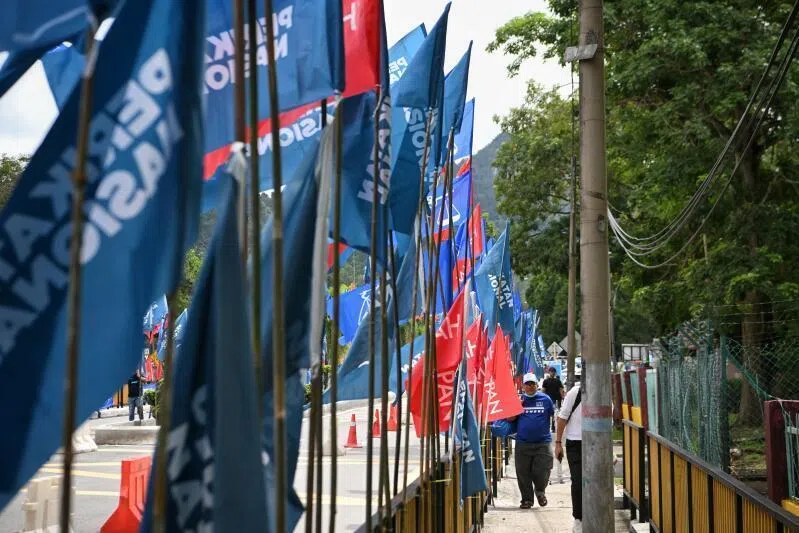
His resignation follows weeks of mounting tension within the Malay-Muslim-dominated coalition, which stems from a late-December political crisis in Perlis that exposed deepening strains between PN’s two main components – Bersatu and Islamist party PAS.
The crisis erupted on Dec 25 when Perlis Chief Minister and PAS member Mohd Shukri Ramli resigned, citing health reasons, after losing majority support in the state assembly. Five Bersatu assemblymen and three PAS representatives signed statutory declarations withdrawing their backing, prompting PAS to sack its three “rebel” lawmakers and vacate their seats.
Within days, Bersatu assemblyman Abu Bakar Hamzah was sworn in as the new chief minister of Perlis by the state’s ruler, marking a sudden power shift from PAS to Bersatu.
While Raja of Perlis Syed Sirajuddin Jamalullail urged unity, political observers described the episode as a de facto coup that reflected unresolved tensions within PN over leadership dominance and the coalition’s prime ministerial candidate.
The fallout intensified mistrust between PAS and Bersatu, with accusations of betrayal circulating within the coalition. Analysts said the Perlis episode was the immediate catalyst for Muhyiddin’s decision to relinquish the PN chairmanship on Tuesday.
Unlikely return to Umno
Lau Zhe Wei, an associate professor at the International Islamic University Malaysia’s Department of Political Science, said speculation that Muhyiddin could return to the United Malays National Organisation (Umno) lacks substance.
“Umno cannot offer him anything better than what he already has by remaining in Bersatu and PN,” Prof Lau told The Business Times, noting that having already served as prime minister, Muhyiddin has little incentive to attempt another political comeback.
“At this stage, I do not see the same fighting spirit that characterised his earlier return to power… Nor do I see sufficient support for a major comeback.”
Muhyiddin was a longtime Umno member. He joined in 1971 and rose to key roles in the party and Barisan Nasional government. In June 2016, he was sacked from Umno and his Cabinet post for criticising then-prime minister Najib Razak over the 1MDB scandal.
He subsequently co-founded Bersatu and became its president. The party initially aligned with Pakatan Harapan before joining PN in the wake of the 2020 political realignment.
Umno anchors the unity government of current Prime Minister Anwar Ibrahim.
PAS could gain upper hand
Prof Lau thinks the most likely outcome of Muhyiddin’s exit is a rebalancing of power within PN that places PAS in a clearer leadership position.
“PAS commands stronger grassroots support than Bersatu, making such a recalibration a logical next step,” he noted.
A less likely scenario would be Bersatu retaining control of PN under new leadership, potentially led by Hamzah Zainudin, Muhyiddin’s deputy and also deputy chairman of the coalition.
Prof Lau said the possibility of such an outcome appears low, given the unresolved fallout from the Perlis episode and lingering questions over party discipline.
A third, more drastic possibility involves PAS severing ties with Bersatu and reviving cooperation with Umno under a Muafakat Nasional framework.
While not impossible, this development would depend largely on Umno’s willingness to recalibrate its political strategy, Prof Lau said.
Deepening uncertainties
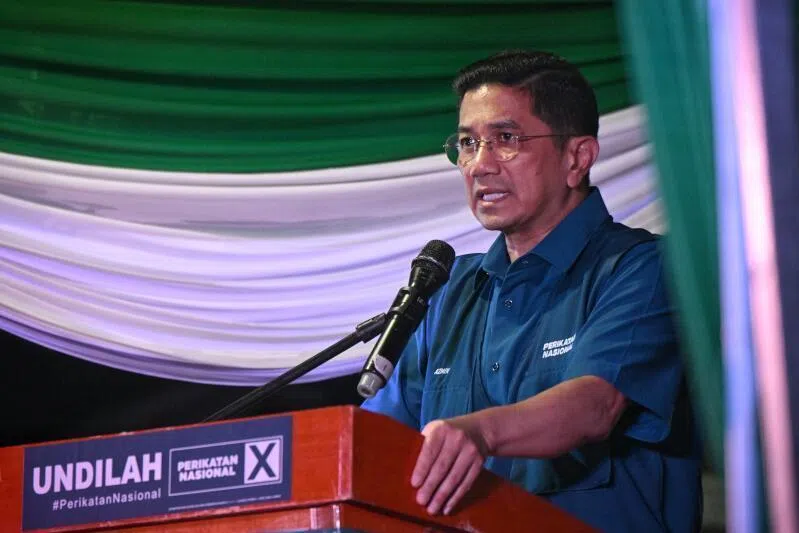
Leadership uncertainty within PN has widened beyond Muhyiddin’s departure. Following his announcement, Azmin Ali resigned as PN secretary-general, marking another high-profile exit.
Azmin, who served as international trade and industry minister under Muhyiddin, said his decision was intended to allow the coalition to chart a clearer path forward.
At the state level, Johor PN chairman Sahruddin Jamal also stepped down, citing shifts in the political landscape. The consecutive resignations underscore a period of internal realignment as the coalition struggles to maintain stability and define its future direction.
Meanwhile, PAS information chief Ahmad Fadhli Shaari said in a Facebook post that the party will put up a candidate to lead the coalition. He added that a restructuring of PN will be carried out to “sharpen focus” for future operations.
“This does not necessarily have to be the party president, but rather an individual who is trusted to mobilise and unite the strengths of the component parties within PN,” he said.
He described Muhyiddin’s exit as a “a wise and timely decision”, as the coalition needs fresh momentum for Malaysia’s 16th general election.
A more unified bloc?
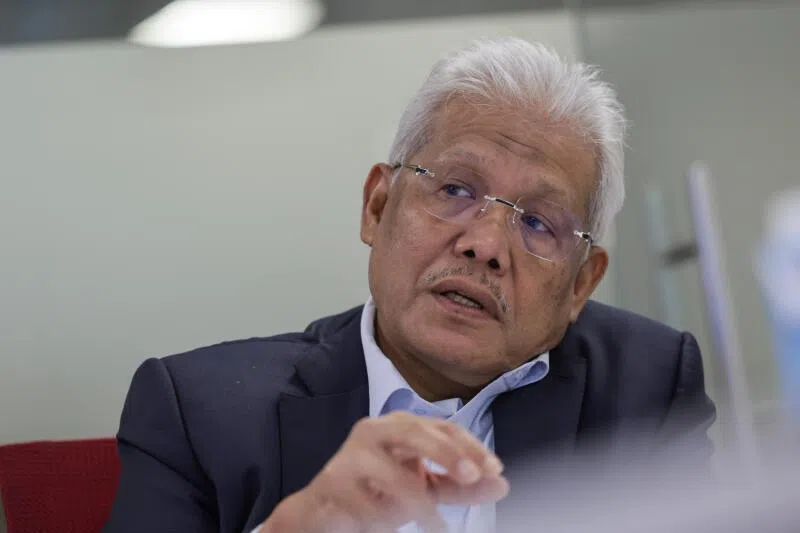
Wong Chin Huat, a political scientist at Sunway University, offered a different perspective, suggesting that Muhyiddin’s exit could ultimately make PN more cohesive.
“With Muhyiddin out, PAS is likely to emerge stronger, alongside a Bersatu increasingly shaped by Hamzah’s faction,” he said, adding that PAS still needs Bersatu to soften its image and appeal to a broader electorate.
As a unified bloc, PAS and Bersatu remain in their strongest position to challenge Umno and the ruling Pakatan Harapan coalition, Prof Wong noted.
However, signs of ongoing friction remain. PAS’ decision to boycott the Perlis state executive council – reflected in its refusal to join the new chief minister’s Cabinet – suggests that tensions at the state level are far from resolved, he added.
He said: “These frictions, driven by power imbalances and limited patronage opportunities, appear unlikely to subside despite the recent reconfiguration of national leadership.”