



Global funds look to Malaysia as Iran war shakes up Asian assets
The Malaysian stock benchmark has beaten regional peers this month
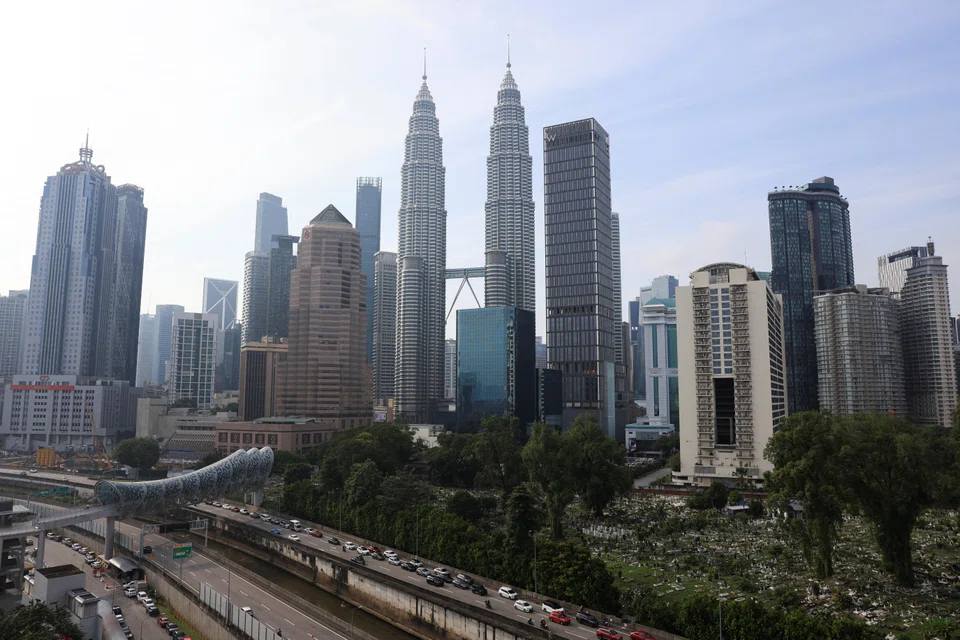
[SINGAPORE/MELBOURNE] Even before the war in Iran sparked a surge in energy prices, Malaysia stood out from its South-east Asian peers as the newfound darling of global investors.
A rare stretch of political stability and investments in higher-value manufacturing and data centres lifted Malaysia’s appeal as some of its neighbours grappled with leadership changes and fiscal strains.
The conflict in the Middle East further burnished the country’s advantage as investors looked for markets better placed to weather volatility.
The country’s stock benchmark has beaten regional peers this month as the war in Iran upended markets globally, helped by its status as one of Asia’s few net energy exporters.
Foreign outflows from local equities have been relatively muted in March despite heavy selling in most other emerging Asian markets. The ringgit has maintained this year’s gains against the US dollar, outperforming peers.
“It’s where you go when things are going badly elsewhere,” said Alexander Redman, chief equity strategist at CLSA in Singapore, who upgraded the market to neutral from underweight for as long as the war in Iran persists.
“Malaysia’s in a relatively good position because it runs a current account surplus, is a net exporter of oil and gas, and the proportion of energy in Malaysia’s CPI basket is not as high as others.”
The rally in crude oil prices spurred by the Middle East conflict could potentially boost revenues for Malaysia, which has offshore oil and gas resources in Sabah, Sarawak and Terengganu, even as other countries struggle with the rising cost of energy. Petroleum-related income is projected to account for 12.5 per cent of government revenue in 2026.
That has helped the country avoid the heavy outflows seen in other markets.
SEE ALSO





Global funds sold about US$80 million of local shares on a net basis so far this month to Mar 13, while the FTSE Bursa Malaysia KLCI Index has lost only 1.2 per cent. Foreign stock flows remained positive this quarter.
Policy boost
Malaysia’s economic initiatives are setting it apart from South-east Asian peers. While Thailand and Indonesia contend with policy uncertainty, Prime Minister Anwar Ibrahim’s administration rolled out plans to boost spending in the semiconductor industry and build capabilities in manufacturing and renewable energy.
The strategy helped lift foreign direct investments to an all-time high last year. A record in total trade and tourist arrivals also pushed Malaysia’s growth ahead of most South-east Asian peers in 2025, and the government is maintaining its forecast for this year despite geopolitical challenges.
Apart from its defensive qualities, Malaysia is “also in a growth mode”, said Tutiana Jusat, chief investment officer of Malaysia fixed income and head of global sukuk at Amundi in Kuala Lumpur, who is “constructive” on local debt. Companies have continued to expand and investor demand for corporate issuances have been encouraging, she said.
Banking stocks such as Malayan Banking and consumer firms such as Mr DIY Group, which may benefit from a robust economy, are among the best performers on the benchmark so far this year. Oil and gas-related shares, including Petronas Chemicals Group and Petronas Dagangan, have also advanced.
“A lot of people think that Malaysia is in a sweet spot right now,” said James Chin, a professor of Asian studies at the University of Tasmania. Malaysia has a good, educated worker base and better infrastructure than most regional peers, which will allow it to stay ahead, he said.
Indonesia is struggling to restore investor confidence after rating agencies cut its outlook and MSCI warned of a possible downgrade to frontier market status. Thailand is weighed by high household debt and sluggish growth, while the Philippines is reeling from the impact of a public works corruption scandal.
To be clear, a prolonged war in Iran risks further outflows from emerging markets, including Malaysia. The country also faces a higher subsidy bill if oil prices remain elevated, which may weigh on plans to narrow its fiscal deficit, while allegations of collusion between businessmen and anti-graft officials may spook investors.
AI beneficiary
Still, Malaysia’s position in the global chip ecosystem will be of interest, said Tan Teng Boo, the chief executive officer and managing director of Capital Dynamics, who likes local tech firms, including Dufu Technology. He expects the stock benchmark to rise to 2,500 to 3,000 within two years’ time. The KLCI gauge closed at 1,696.56 on Monday.
Malaysia has carved out a niche in assembling, testing and packaging semiconductors, and plans to move into more valuable production, including designing its own chips.
It is also a burgeoning destination for artificial intelligence data centres in the region, which is estimated to have contributed RM14.1 billion (S$4.6 billion) to Malaysia’s economy in 2025.
Investments in its southern state of Johor, the country’s key data centre hub, has continued to gain momentum. The establishment of a joint special economic zone with Singapore may pave the way for more projects there.
These developments are helping to underpin Malaysia’s investment case as funds look for a safe haven during times of stress.
“Investors are looking for where they can feel better about their capital in the near term, and Malaysia is one of the markets that has benefited from that,” said Harvey Bradley, co-head of global rates at Insight Investment. BLOOMBERG
Decoding Asia newsletter: your guide to navigating Asia in a new global order. Sign up here to get Decoding Asia newsletter. Delivered to your inbox. Free.
Share with us your feedback on BT's products and services
TRENDING NOW

GCash parent Mynt rises in market debut after South-east Asia’s top 2026 IPO

In the age of AI, what is a university education for?

Singapore to use ‘every legal and regulatory lever’ against companies linked to haze: Shanmugam

‘IPOs are not the only vehicle’: KKR heads for record exits even as firms stay private for longer

