



Harnessing Asean's collective strength
ASEAN in general had avoided the full brunt of the pandemic in 2020 by closing borders early and restricting mobility. Hopes of a nascent recovery seen in late 2020 and early 2021 were quickly quashed when waves of a more contagious Covid variant swept through the region at a time when vaccination rates were still not at optimal levels. Asean economies were hit hard by renewed lockdowns, disrupting both consumption and manufacturing.
Asean governments have come to recognise the importance of building a digital economy as key to overcoming inequality. Digitalisation presents investment opportunities in many areas such as education, fintech, e-commerce, healthcare, logistics and more. The disruption caused by these new technologies and the current low penetration rates for e-commerce and fintech represent the future growth areas.
The European Union has pledged EUR 5.1 million from 2021-2025 to help with the Smart Green Asean Cities programme, focussing on green and smart solutions through digitalisation and the use of technologies.
Share with us your feedback on BT's products and services
TRENDING NOW

Two Singapore-listed palm oil firms named in Greenpeace report on Indonesian plantation fires
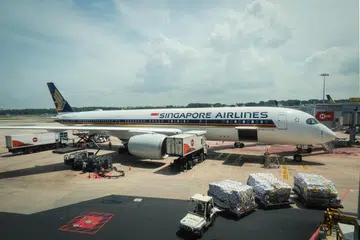
Singapore Airlines flight returns to San Francisco after ‘unruly’ passenger incident

Singapore looking into which companies responsible for haze-causing fires: PM Wong

Deluge IPO 3.86 times subscribed ahead of SGX debut

