



Healthy appetite for Thailand hotels as investors stay bullish
[BANGKOK] Judging by the number of new hotels under construction or opening their doors in Thailand, the Covid-19 pandemic has had little impact on investors’ enthusiasm for the sector.
Property consulting firm JLL estimates that, in Bangkok alone, about 7,000 new rooms came on the market in 2022. Another 7,000 are set to open this year, and about 3,000 are due in 2024.
While many of these properties were already under construction before the Covid-19 pandemic struck in early 2020, Thailand already had an abundance of hotel rooms in 2019 – as many as 200,000, according to some reports – when some 40 million foreign tourists visited the country and spent 1.91 trillion baht (S$73.8 billion).
According to the Thai Hotels Association (THA), there are currently about 15,000 registered hotels in Thailand, but the actual number of establishments – including guest houses, but not AirBnB properties – is closer to 60,000.
With international tourists returning in droves this year, Thailand’s hotel industry is firmly in recovery mode, with the luxury properties seeing a faster rebound as tourists, including from China, return in droves.
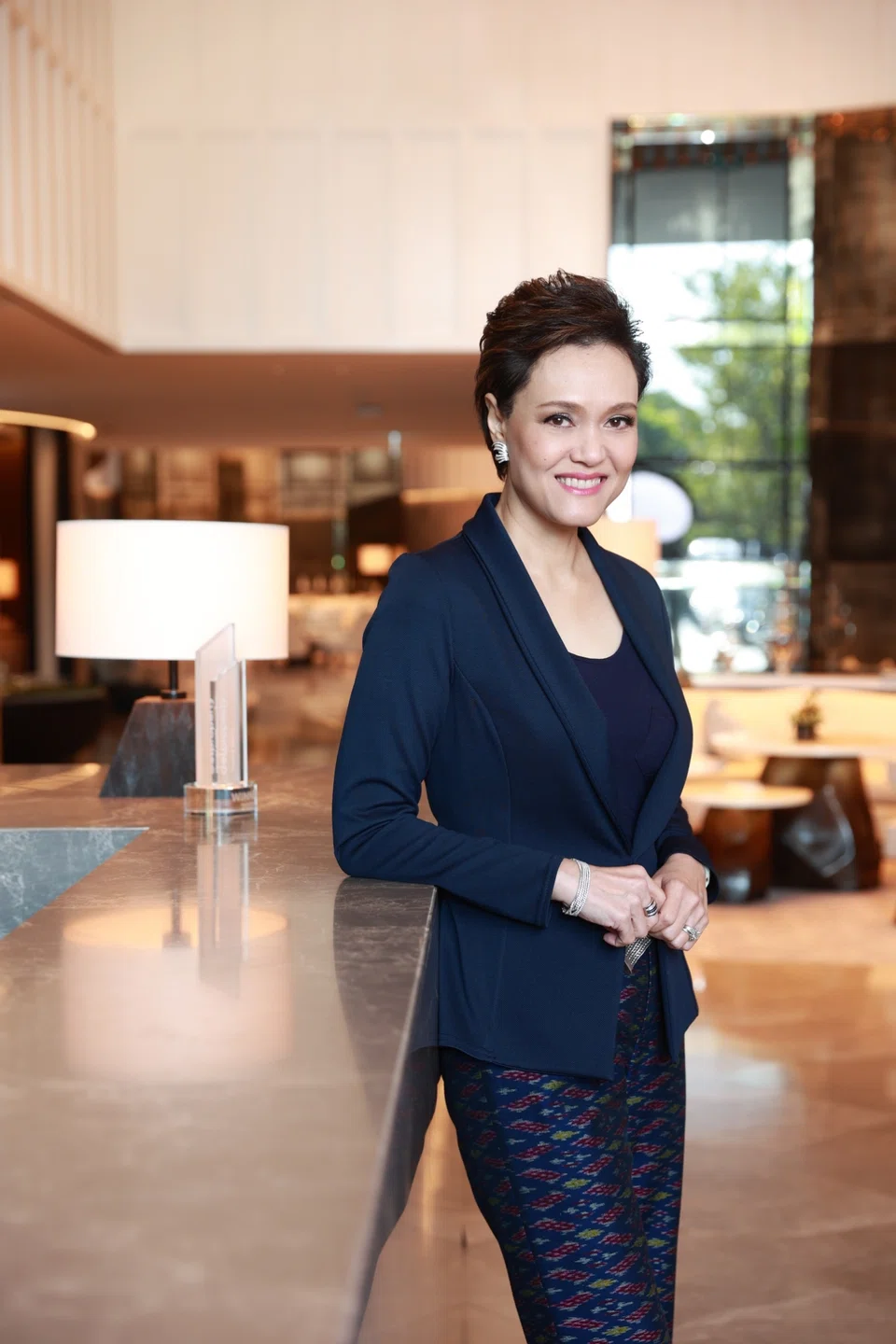
“Five-star hotels have done much better than three-star and four-star properties,” said THA president Marisa Suksokul Nunshakdi, noting that guests who prefer five-star accommodation are more than willing to fork out for the higher room rates and flight tickets.
“But even for the three-star and four-star categories, there is still a lot of competition for customers,” she added.
Five-star establishments, given the deeper pockets of their owners, are also better prepared to deal with the teething problems of the reopened industry, such as labour shortages, higher taxes and electricity costs.
Dillip Rajakarier, the chief executive officer of Minor Group International, is among those who are bullish on the Thai hotel industry’s future prospects.
The Bangkok-based international hotel chain, which owns or manages 800 properties worldwide, picked up management contracts for three new hotels in Thailand in January this year. In 2022, it opened the Avani+ Khao Lak Resort, a 327-key oceanfront property on Bangsak Beach.
The Thai government has been busy trying to lure tourists from all over the world, with as many as 28 million foreign tourist arrivals expected in 2023. This is up from an earlier projection of 23.5 million.
There could be new categories of visitors too, after recent moves to decriminalise the use of cannabis and an ongoing parliamentary push to legalise casinos.
The government also passed regulations to facilitate the granting of long-term visas to wealthy foreigners, highly skilled professionals and so-called “digital nomads.”
Savvy hoteliers, meanwhile, are learning to target the niche markets to try and differentiate themselves from other properties.
Dusit International, which owns ten hotels and manages 338 properties worldwide, recently launched its ASAI brand in Bangkok’s Chinatown, with a big push to target millennial travellers.
Next year, the Dusit Group will relaunch its iconic, renovated Dusit Thani Hotel in Bangkok as part of the Dusit Central Park mixed-use complex across from Lumpini Park. The renovated property is positioned as a luxury hotel with 259 rooms, complete with the old spire still on top.
Further down the road is the 120 billion baht mixed-use project called One Bangkok, which will also open in phases from the end of 2023 and includes five hotels. One Bangkok is being developed by Frasers Property, a subsidiary of TCC Group, one of Thailand’s largest conglomerates.
Dusit’s senior executives say they welcome the greater competition in a congested Bangkok market.
“They will actually bring the traffic to us because we are the jewel on the ground,” said Dusit International CEO Suphajee Suthumpun, noting that Dusit Central Park is located at the nexus of two mass transit systems.
She warned, however, that it will not be all smooth sailing for Thailand’s hotel industry, with the full impact of the pandemic yet to be felt as hotels find their feet on the road to recovery.
“I don’t see a rosy picture going forward. There will be properties that work, and others that don’t. It depends on how you adjust and comprehend the trends,” she said. “I don’t think Covid-19 separated the bigger hotels from the smaller ones, but it differentiated between those who are able to adjust and those who cannot.”
TRENDING NOW

South-east Asia has lost Nvidia’s best salesman
‘If there’s a price to be paid, so be it’: George Yeo says Singapore must safeguard its reputation

Demand, tech capabilities position Apac and AI as Skyscanner’s next growth frontiers: CEO Bryan Batista
CapitaLand, Far East, Sing Holdings team up for S$1.8 billion bid at S$910 psf ppr for Jurong Lake District site

