



HI Mobility’s yellow smiling buses hit the road to a RM116 million IPO
The only Malaysian bus operator on the world’s busiest land crossing is looking to expand its fleet and go green

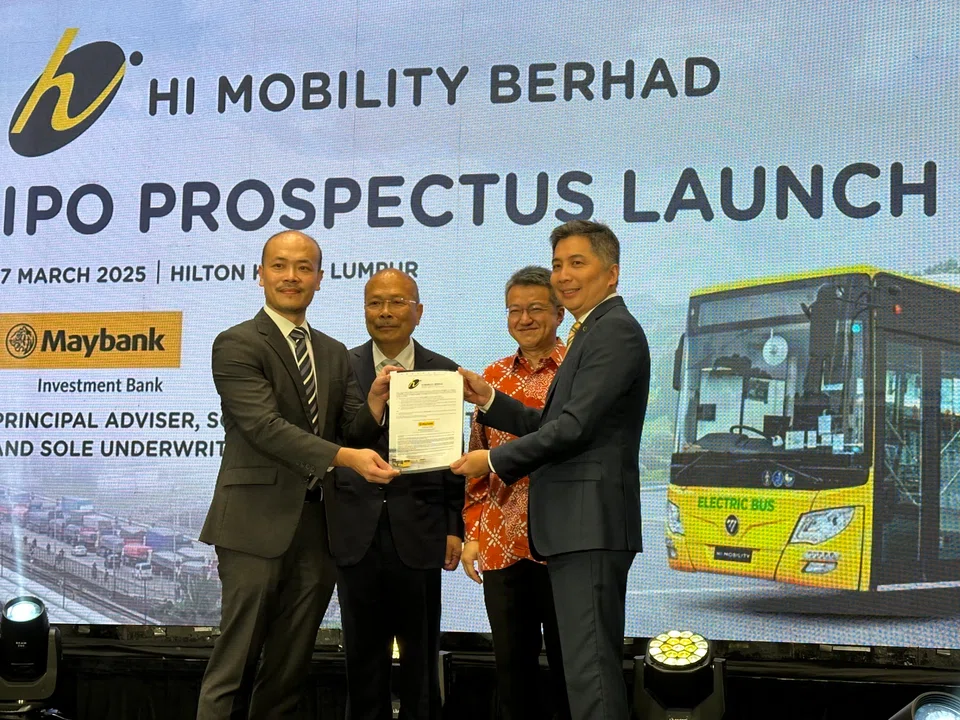
[KUALA LUMPUR] HI Mobility, the sole Malaysian bus operator serving one of the world’s busiest land crossings – between Johor and Singapore via the Causeway and Second Link – is set to raise RM116 million (S$35 million) in an initial public offering (IPO) to expand its fleet and ramp up electric bus adoption.
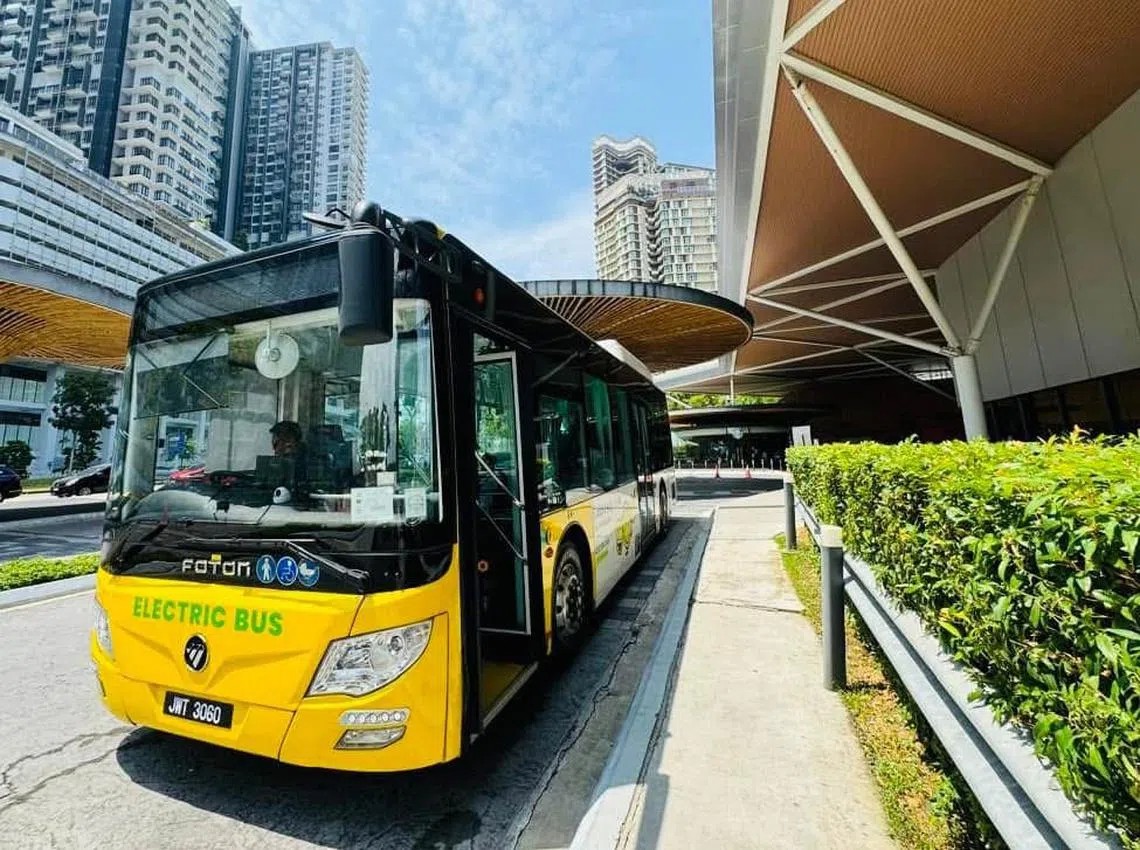
Founded in 1994 by Lim Han Weng, a Malaysian offshore energy tycoon and the executive chairman of Malaysia-listed Yinson, the company is best known for its bright yellow buses with cheerful smiley faces – fondly dubbed the “smiling buses”.
Those smiles are now headed to the stock market, with HI Mobility set to debut on Bursa Malaysia’s Main Market on Mar 28 at a valuation of around RM610 million. Last year, the company ferried nearly 16 million passengers between Johor and Singapore.
The listing will make it Malaysia’s second publicly traded bus operator after Perak Transit, which went public in 2016.
HI Mobility is offering up to 35 million existing shares and 95 million new shares at RM1.22 apiece, representing 19 per cent of its enlarged share capital of 500 million.
The company, through its sole subsidiary Handal Indah, operates public bus services in Johor, Melaka and the Klang Valley. From an initial fleet of just eight buses, the operator now has 638 buses plying 124 routes across the three regions.
Going big, going green
Lim Chern Chuen, HI Mobility’s executive director and chief executive officer, said the proceeds from the IPO will be used to strengthen the company’s core competencies in providing cross-border and local bus services.
“Moving forward, we plan to expand our fleet, replace ageing buses, transition to electric buses, and upgrade depots and digital infrastructure to support future business expansion,” he said at the IPO prospectus launch on Friday (Mar 7).
About 60.4 per cent of the funds raised will go towards expanding the company’s fleet, including the acquisition of both electric and internal combustion engine (ICE) buses.
Some 17.3 per cent will be used to install electric vehicle charging infrastructure and integrate artificial intelligence-driven systems for vehicle monitoring. The remaining amount will be set aside for working capital and listing expenses.
HI Mobility has already confirmed orders for 55 new buses, comprising 10 electric buses and 45 ICE buses.
“We plan to increase our number of electric buses to promote sustainable transportation. However, given the high initial investment, we are carefully evaluating our electrification strategy,” said its CEO, noting that these buses offer operational cost savings of about 50 per cent, compared with ICE buses.
Look who’s smiling now
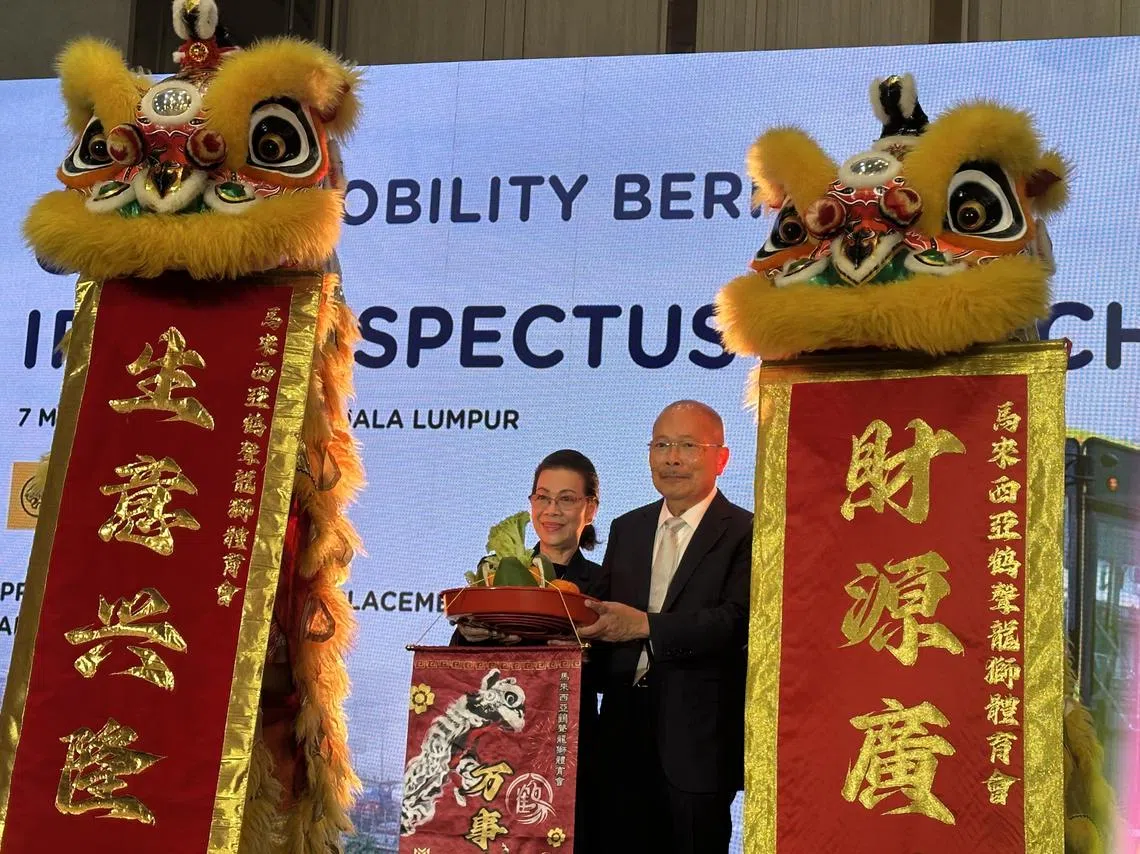
The transport company’s founder said the timing of the IPO was ideal, as ridership has rebounded post-pandemic, and it is also ahead of the Johor Bahru-Singapore Rapid Transit System (RTS) Link’s launch.
“In addition to expanding our fleet, we are also considering increasing the number of electric buses. A greener alternative is crucial, and we are assessing its feasibility based on cost and efficiency,” Lim Han Weng told The Business Times.
The 72-year-old built his business empire in transport and trading before expanding into the oil and gas sector, where Yinson is now a global leader in floating production storage and offloading vessels.
Through Singapore-based Yinson GreenTech, the entrepreneur is also investing in sustainable transportation and logistics. In 2024, Forbes listed him and his family among Malaysia’s 50 richest individuals, with a net worth of US$405 million.
HI Mobility is now led by his eldest son, Lim Chern Chuen, while his daughter, Lim Chern Fang, serves as the company’s chief marketing officer.
Cross-border sizzle
Cross-border bus services suffered a sharp decline in ridership during the Covid-19 pandemic due to travel restrictions, but demand has since recovered significantly.
“This year, we expect commuter numbers to grow by 10 per cent,” Lim Chern Chuen said.
HI Mobility’s Johor-Singapore bus services contributed RM63.5 million to the company’s revenue in FY2024, accounting for 53 per cent of its top line. This figure is expected to rise to RM122.2 million, or 59.8 per cent of total revenue, in FY2025.
Currently, the company operates 150 buses authorised for cross-border services.
With the RTS Link set to be operational by 2026, Lim Chern Chuen anticipates further growth opportunities.
“RTS is a point-to-point connection, while buses offer multipoint connections,” he noted. “Once RTS begins operations, we expect it to attract more tourists crossing the border. Reduced congestion will also allow us to operate more bus trips, which could contribute to higher revenue.”
Around 350,000 to 500,000 people cross the Johor-Singapore border daily. With the RTS Link alleviating congestion, the CEO believes HI Mobility will be able to increase the frequency of its buses and optimise its operations.






