



Hormuz crisis makes Asean’s push for sustainable aviation fuel more urgent
The region’s aviation must break its overdependence on jet fuel
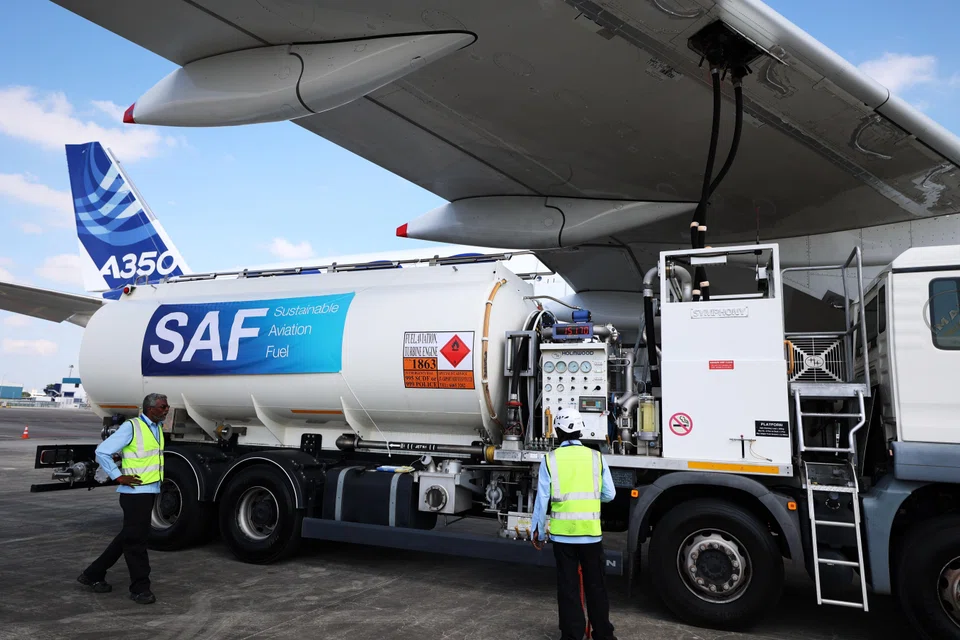
THE Middle East war and the Hormuz blockade are a strategic warning about how easily a geopolitically-exposed choke point can ripple into grounded flights, higher fares and economic friction across continents.
When the Strait of Hormuz was closed, evidence of stress showed up quickly in airline decisions. Roughly one‑fifth of the world’s traded oil normally transits that narrow corridor, and disruptions reverberated quickly across crude and refined products, including jet fuel.
The International Air Transport Association’s jet fuel price index showed prices surging to around US$200 a barrel, more than double the levels at the start of 2026, which forced airlines to raise fares and cut capacity.
TRENDING NOW

LTA proposes combining car COE categories, adding rebate-surcharge system

StarHub to acquire MyRepublic’s mobile business amid ongoing telco consolidation

DBS, OCBC, UOB rout lops billions off STI as inflation, rate concerns spook investors

Grab CEO’s wife Chloe Tong on life with Anthony Tan and finding her purpose

