



The Hormuz toll: India’s service sector hits a wall as commercial gas breaches historic 2,000-rupee mark
The sell-off has been most pronounced in energy-linked and cyclical sectors
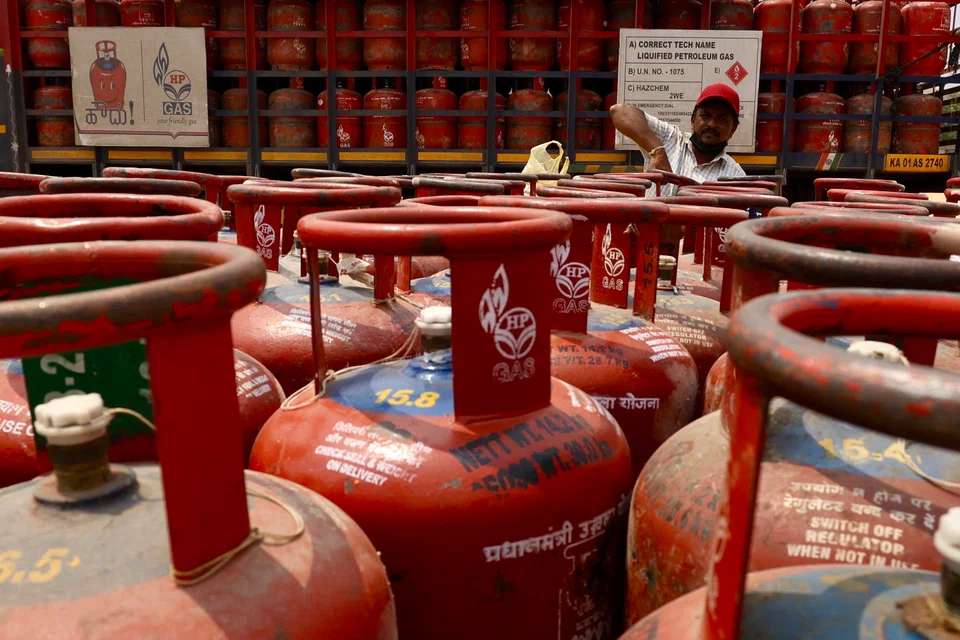
[NEW DELHI] What began as a scramble for cooking gas in India’s commercial kitchens has morphed into a systemic energy shock, as the blockade of the Strait of Hormuz threatens to shave a full percentage point off the nation’s economic growth.
Despite government assurances of stability, a brutal 15 per cent retreat in equity markets from their recent highs and a 20 per cent collapse in energy-linked stocks signal that the disruption – which has already forced restaurants to cut menus – is now a broad-based threat. It could push India’s inflation higher and widen the current account deficit.
Commodity analysts at Goldman Sachs expect corporate earnings downgrades to follow with a lag, suggesting the full economic and corporate impact may not yet be reflected in markets.
No corner of the economy is immune: higher fuel costs are now aggressively cannibalising margins in sectors ranging from logistics to consumer durables. Goldman Sachs analysis ranks India as one of Asia’s most exposed markets to the current energy volatility.
The sell-off has been most pronounced in energy-linked and cyclical sectors.
Oil marketing companies – the state-backed giants responsible for the nation’s fuel distribution – such as Indian Oil Corp, Bharat Petroleum and Hindustan Petroleum, have seen their shares fall over 20 per cent as they absorb the high cost of crude imports while domestic retail prices remain largely frozen.
The automotive sector has also buckled under significant pressure with Tata Motors and Ashok Leyland – India’s dominant commercial and passenger vehicle manufacturers – tumbling by more than 20 per cent.
Similarly, industrials and construction companies have seen mid-teen declines, while defensive consumer goods giants such as Dabur and Colgate-Palmolive have dropped 20 per cent.
This broad-based retreat underscores a widening crisis where soaring energy prices are simultaneously driving up production costs and hurting demand.
Gutting the menu
Mani’s Dum Biryani, a popular go-to restaurant in Bengaluru, India’s Silicon Valley, said: “Due to the ongoing geopolitical situation in the Middle East, restaurants across India are facing constraints in LPG (liquefied petroleum gas) supply, which is one of the primary fuels used in our kitchens.
“We may have to temporarily reduce menu items and adjust service timings depending on fuel availability.”
The disruption comes as tensions around the Strait of Hormuz, one of the world’s most critical energy chokepoints, affect energy flows.
The situation further highlights India’s reliance on imported energy. Based on government data, the country consumed about 31 million tonnes of LPG last year – with around 70 per cent imported – largely from Middle Eastern suppliers. Nearly 90 per cent of these shipments pass through Hormuz.
The supply squeeze has triggered a rapid escalation in costs.
While a mid-March hike by state-run refiners initially pushed the price of a 19-kg commercial LPG cylinder to 1,883 Indian rupees (S$26) in New Delhi, a much sharper revision this week has driven the rate to 2,078.50 Indian rupees.
This marks the first time commercial gas has breached the 2,000-rupee threshold in the capital, setting a new record and underscoring the severity of the current energy shock.
While policy priorities have limited domestic cylinder hikes to 60 rupees to protect households, businesses are bearing the brunt of the crisis.
Commercial LPG prices have surged by over 300 rupees per cylinder in 2026 alone, adding to the strain on restaurants, caterers and small food vendors already grappling with tight supplies.
Oil prices
Oil prices have entered a period of historic volatility, with Brent crude surging past US$100 a barrel to its highest level since 2022, after a record-breaking March in which prices leapt sharply.
The rally, fuelled by a sharp collapse in tanker traffic through the Strait of Hormuz and escalating military tensions, threatens to end the era of cheap energy. This comes as markets price in a prolonged blockade of the world’s most vital oil artery.
The International Energy Agency (IEA) warned that the war in the Middle East is creating the largest supply disruption in the history of the global oil market. Global output is expected to fall by roughly eight million barrels a day in March.
While IEA members have announced a coordinated release of around 400 million barrels from strategic reserves to stabilise markets, the agency cautioned that such measures can only soften the immediate shock if disruptions to Gulf exports persist.
TRENDING NOW

Once staunchly pro-China, Malaysian Chinese businesses are now distancing themselves from Beijing

New launch or resale unit? Here’s a guide for homebuyers
The lesser-known prospects in the Asian chipmaking supply chain

Cliff Tan has 7 million followers and a 4-month waitlist. Why won’t he expand his business?

