Indepay targets lower transaction costs for Indonesia’s MSMEs with zero-fee model
Its approach connects mobile phones to traditional banking services
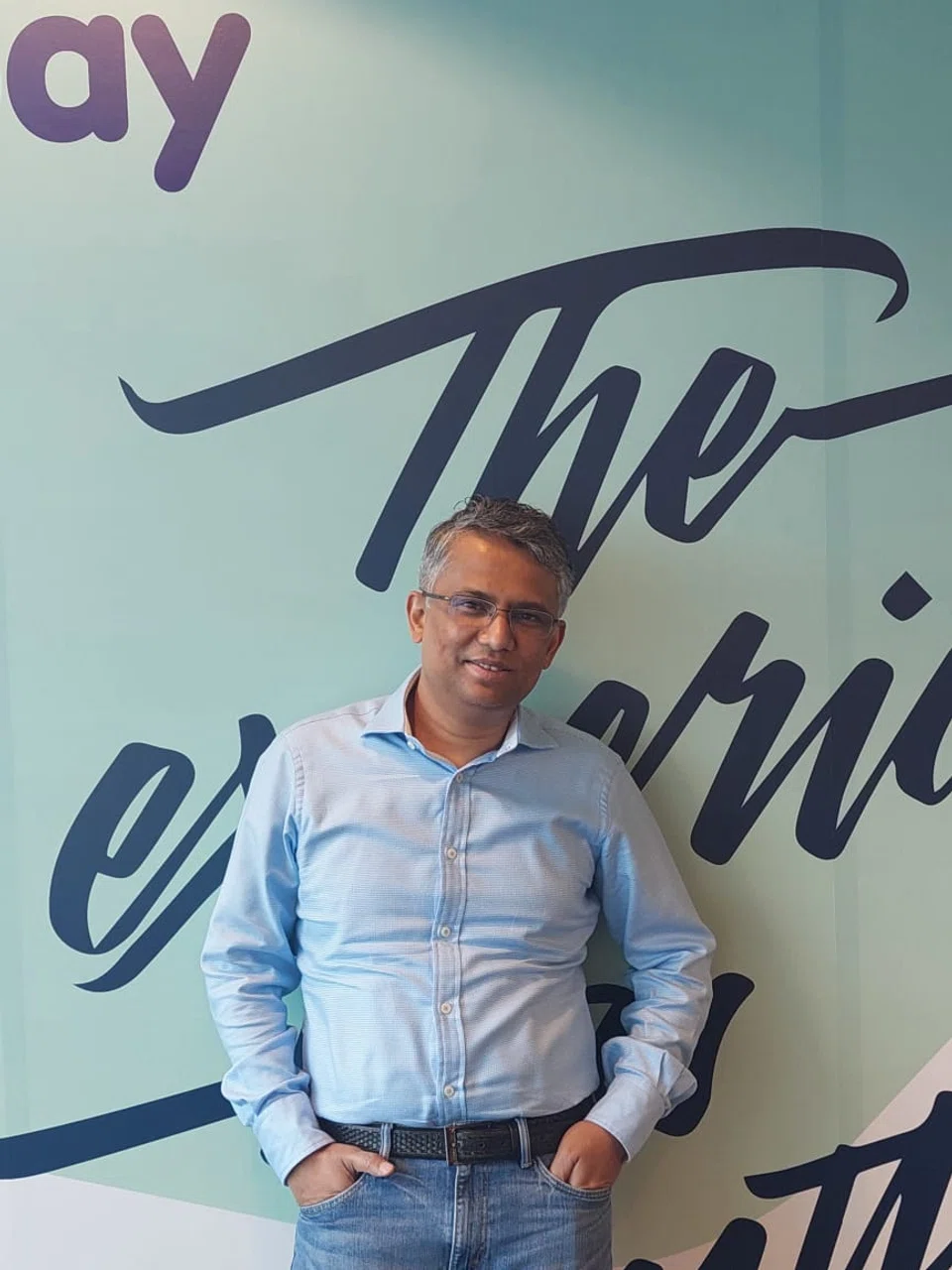
[JAKARTA] Indonesian fintech company Indepay Networks is aiming to unlock the potential of the country’s vast, underserved market by offering a zero-fee transaction model that connects mobile phones to bank accounts.
With Indonesia’s population of 180 million people without easy access to traditional banking services, Indepay seeks to bridge the gap by offering a convenient and cost-effective alternative for them to engage with the formal financial system.
To launch its service, Indepay Networks has partnered Indosat Ooredoo Hutchison, Indonesia’s second-largest telecom operator, to reach its 100 million customers.
The fintech firm is also collaborating with 43 banks that serve 50 million account holders, in a bid to narrow the financial inclusion gap.
If successful, Indepay’s zero-fee approach could transform Indonesia’s digital payments landscape, where consumers currently face high fees for online transactions.
“Our goal is to improve Indonesia’s digital economy by building infrastructure,” said Rajib Saha, co-founder and chief executive officer of Singapore-based Setara Networks Worldwide, Indepay’s parent company.
“Indepay is a new digital toll road which will connect all players so consumers do not need to download a separate app to use our service,” he added.
After two years of undergoing development and forming strategic partnerships, the company aims to raise US$50 million from global investors keen on tapping into Indonesia’s fast-growing digital economy.
Setara has already secured funding from Japanese venture capital firm Beenext, T8 Capital Partners, Nurture Growth Fund and Sukhlahi Capital.
Home-grown innovation
While other markets have embraced open banking, Indepay stands out as Indonesia’s home-grown innovation, poised to reshape the payment landscape like India’s UPI, Brazil’s Pix and the US’ Zelle.
What sets Indepay apart is its use of Indonesia’s open banking framework, endorsed by Bank Indonesia, to eliminate bank fees on digital transactions. “We are building a nationwide network,” said Saha.
He added: “We have launched our service with Indosat but we intend to partner with all banks and telcos in Indonesia, and at a later stage take Indepay global.”
Ritesh Kumar Singh, director and chief commercial officer for Indosat, noted that customers usually are not aware of the fees they are charged, and often overpay when making online payments.
He said: “For the digital economy, connectivity is critical so as a telco, we have a responsibility to connect all Indonesians; and if we can convert smartphones into bank accounts, the impact will be huge.”
Speaking at a fireside chat with industry leaders and journalists, he added that if customers can convert their mobile numbers into a bank account, they are less likely to switch mobile operators. “This way, we can create more stickiness to our service and customers will keep their mobile numbers longer.”
Untapped market
Indonesia is one of the most promising untapped markets in the Asia-Pacific’s digital financial sector, with a significant portion of the population still unbanked. While 66 per cent of Indonesians have access to the Internet, fewer than 40 per cent of smartphone users have used financial services apps, according to Google.
As a result, Indonesia remains a largely cash-driven economy, particularly among its 64 million micro enterprises. These businesses account for US$130 billion in business-to-business payments, much of which is settled in cash due to limited digitalisation and high transaction costs.
Sandiaga Uno, former minister of tourism and creative economy, highlighted that many micro, small,and medium-sized enterprises struggle with escalating fees.
“There is a lot of uncertainty and complexity out there, so only businesses that can solve real problems and incorporate technology will not only survive but thrive.”
Former minister of tourism and creative economy Sandiaga Uno
While the fee per transaction may seem small, it adds up to a significant burden over time. “If Indepay can reduce transaction costs for these enterprises, it could be successful,” Uno said.
A seasoned entrepreneur behind companies such as Recapital Group, Rumah123 and Bloomberg TV Indonesia, Uno also cautioned that the global business environment is expected to be challenging in the first half of 2025.
He said: “There is a lot of uncertainty and complexity out there, so only businesses that can solve real problems and incorporate technology will not only survive but thrive.”