



Indonesia and Malaysia agree to fight ‘discrimination’ against palm oil
 Add BT as a preferred source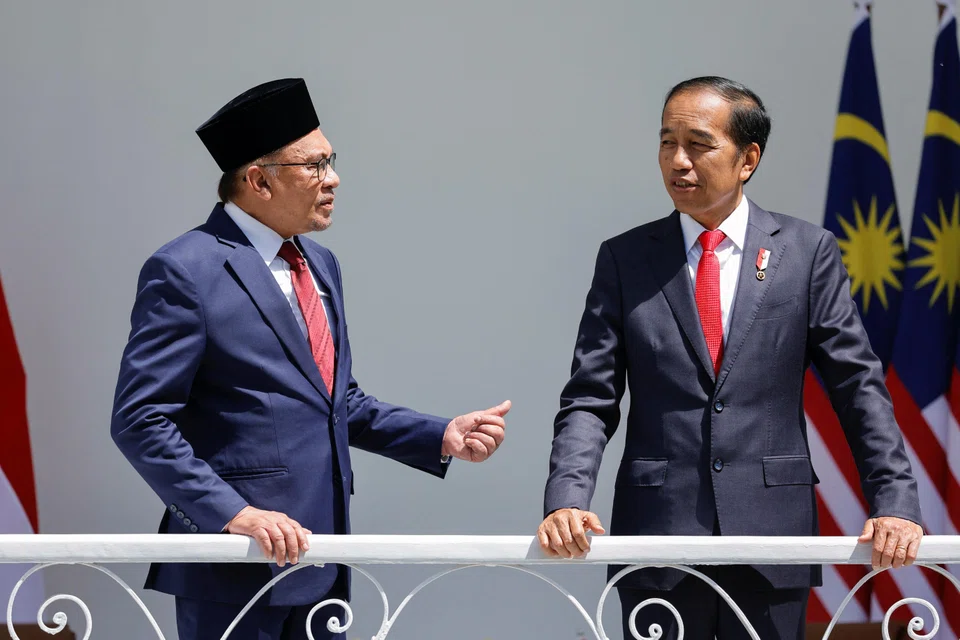
DeeperDive is a beta AI feature. Refer to full articles for the facts.
INDONESIA and Malaysia, the world’s biggest producers of palm oil, agreed on Monday (Jan 9) to work together to fight “discrimination” against the commodity after a meeting between leaders from the countries.
The comments by Indonesian President Joko Widodo followed a meeting with Malaysian Prime Minister Anwar Ibrahim, who was making his first overseas trip since being elected last November.
Widodo, popularly known as Jokowi, said the two countries would “fight discrimination against palm oil” and “strengthen cooperation through the Council of Palm Oil Producing Countries” to address concerns.
The European Union plans to phase out palm-oil based fuels by 2030 because of perceived links to deforestation.
During their bilateral meeting, Anwar and Jokowi signed eight memorandums of understandings covering shipping, export-import financing, green energy, the development of battery industry, which they said they hoped would deepen cross border trade and investment.
The leaders also discussed the development of Indonesia’s planned new capital, Nusantara, with Anwar handing over 11 letters of interest from Malaysian companies related to possible investment in the new city, located in the Indonesian portion of Borneo.

Navigate Asia in
a new global order
Get the insights delivered to your inbox.
The new capital could boost regional development, Anwar said, with the Malaysian states of Sabah and Sarawak located in the Malaysian part of Borneo island.
“We hope the development of the capital will bring greater benefits to the wider region, including on Sabah and Sarawak,” he said. REUTERS
Decoding Asia newsletter: your guide to navigating Asia in a new global order. Sign up here to get Decoding Asia newsletter. Delivered to your inbox. Free.
Share with us your feedback on BT's products and services
TRENDING NOW

From 1MDB to ‘corporate mafia’: Is Malaysia facing a new governance test?

Higher costs, lower returns: Why are Singaporeans still betting on real estate?
South-east Asian markets account for 8.8% of global capital inflows from 2021 to 2024: report

Richard Eu on how core values, customers keep Singapore’s TCM chain Eu Yan Sang relevant

