



Indonesia eases export rules further to 'flush out' palm oil stocks

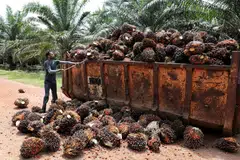
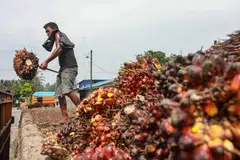
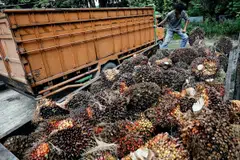
INDONESIA is further easing rules to allow more companies to export palm oil, an official said on Friday (Jun 10), aiming to ease bottlenecks and swelling inventories caused by an export ban and regulatory changes implemented to maintain domestic supply.
The world’s top palm oil exporter allowed palm shipments to resume from May 23 following a 3-week ban designed to boost cooking oil stocks and keeping runaway prices in check amid growing domestic discontent.
But exports have been slow to restart, with confusion over procedural issues and new requirements for firms to join a government bulk cooking oil distribution programme, where a portion of their product goes to the domestic market before export permits can be granted.
Companies that had not joined the programme, however, would still be allowed to ship palm oil, providing they pay a US$200 per tonne charge on top of the export tax and levy, senior minister Luhut Pandjaitan said on Friday.
Luhut said the latest concession was to “flush out” and reduce high palm oil inventories that have prevented refiners from buying more palm fruits from farmers, part of its new “acceleration programme”.
Indonesia aims to export at least 1 million tonnes of palm oil products by Jul 31 under the scheme.
Luhut also said the government would also allow companies to export 5 times the amount of palm oil they have sold domestically during a “transition period”. That compares with a previous 3 times ratio.
The finance ministry raised the maximum export tax for crude palm oil (CPO) to US$288 a tonne for when government reference prices are above US$1,500 per tonne, a regulation document reviewed by Reuters on Friday showed.
Previously the maximum export tax was US$200 a tonne for when the CPO price was above US$1,250.
Trade Minister Muhammad Lutfi said on Tuesday that while the maximum export tax would be increased, the export levy would be slashed so that the combined ceiling for both would be reduced to US$488 per tonne from US$575 per tonne to encourage shipments.
The reduction in the export levy has not yet been announced. REUTERS
Decoding Asia newsletter: your guide to navigating Asia in a new global order. Sign up here to get Decoding Asia newsletter. Delivered to your inbox. Free.
Share with us your feedback on BT's products and services
TRENDING NOW

Grab CEO’s wife Chloe Tong on life with Anthony Tan and finding her purpose

What role can Japan play in Asean’s future?

Canada is upping oil flows to Asia, but South-east Asia’s refineries aren’t ready to handle them yet
As Malaysia’s chip goals morph into a multi-state model, are they outgrowing Penang?

