Indonesia eyes Russian crude as Middle East tensions deepen import gap, subsidy strain
The move comes as countries scramble to secure energy supplies while the conflict drags on

[JAKARTA] Indonesia is weighing crude imports from Russia as it seeks cheaper barrels, a more diversified supply and relief for its subsidy-heavy energy system amid tighter global oil markets.
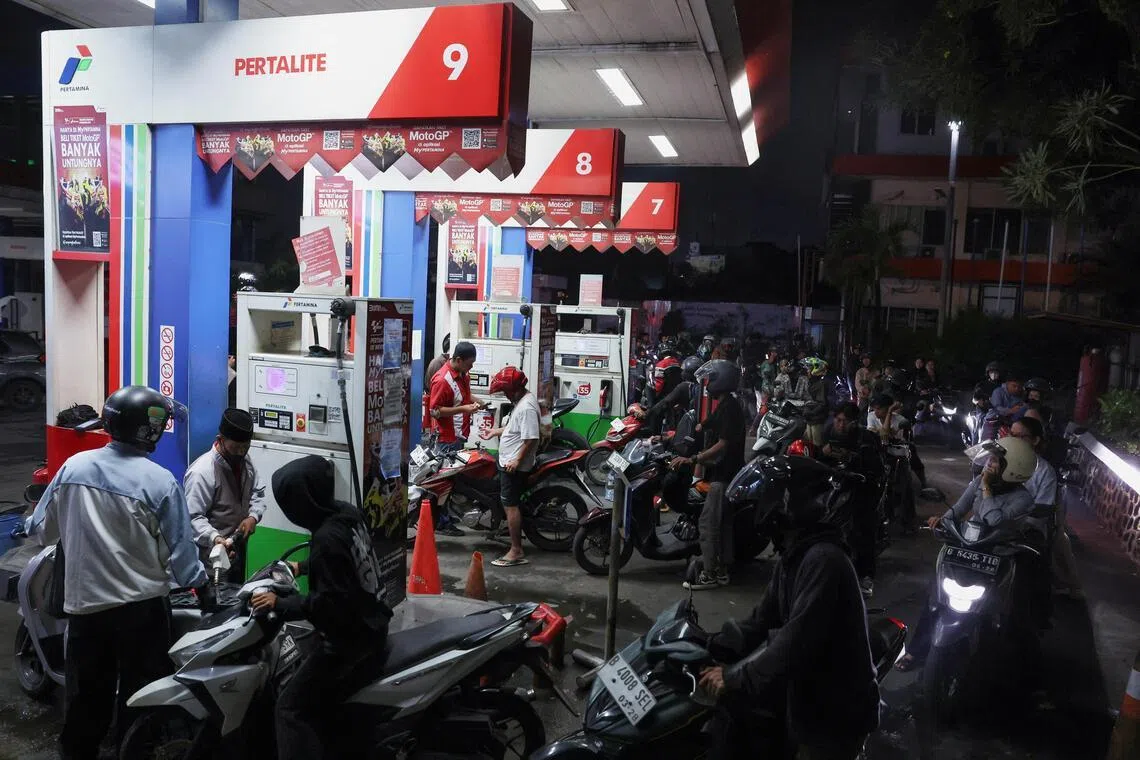
The country’s domestic production of about 600,000 barrels a day still falls far below its daily demand of more than 1.6 million barrels.
Despite its abundant reserves of coal, gas, nickel and palm oil, it remains heavily reliant on imported crude and fuel products, with about a quarter of its crude supply coming from the Middle East.
Indonesia’s fuel reserves cover only 21 to 23 days of consumption, leaving it exposed to external disruptions.
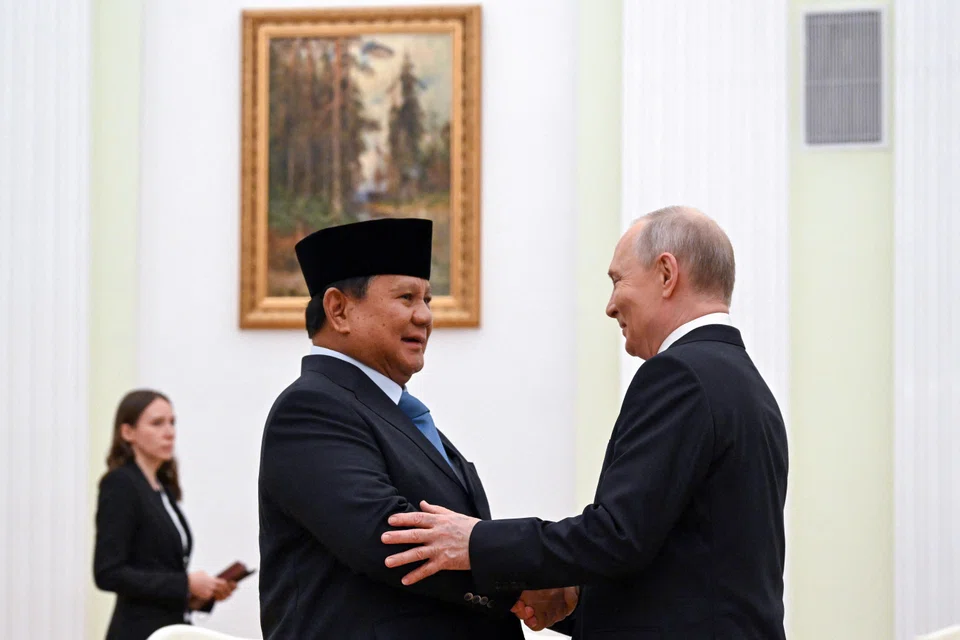
The push gained momentum after President Prabowo Subianto met Russian President Vladimir Putin in Moscow on Monday (Apr 13), where both sides pledged deeper economic and energy cooperation.
Russian Energy Minister Sergei Tsivilev later said the two countries were working towards a long-term agreement that could include crude oil and other energy supplies, though volumes and timelines were not disclosed.
Indonesia’s Energy and Mineral Resources Minister Bahlil Lahadalia said on Tuesday that Indonesia is open to expanding cooperation with Russia, including in crude oil storage development, long-term supplies of crude and liquefied petroleum gas, potential nuclear collaboration, as well as partnerships in the minerals sector.
Prateek Pandey, a senior analyst at Rystad Energy, said Indonesia’s move is consistent with a wider shift across the Global South, where governments are increasingly prioritising national economic interests over geopolitical alignment.
“Indonesia’s strategy to diversify its crude import basket with imports from Russia is backed by supply economics, refinery compatibility and medium-term energy security logic, not just opportunism around the Middle East crisis,” he told The Business Times.
Analysts said that Jakarta’s interest in Russian oil underscores a pragmatic recalibration of energy policy as the global oil market becomes increasingly shaped by geopolitical fault lines.
Ronny Sasmita, a senior analyst at the Indonesia Strategic and Economics Action Institution, said Indonesia is making a rational response to a more fragmented energy market following the Russia-Ukraine war.
“Indonesia is trying to reduce its exposure to a single cluster of risk, particularly the Middle East, which is highly sensitive to escalation along key routes such as the Strait of Hormuz,” he added.
Indonesia’s outreach also comes as many countries scramble to secure energy supplies disrupted by conflict and geopolitical tensions in the Middle East.
Across Asia, countries including Vietnam, Thailand, the Philippines and Sri Lanka have stepped up purchases of Russian crude amid supply disruptions linked to tensions in the Persian Gulf.
In March, Reuters reported that then Vietnamese prime minister Pham Minh Chinh asked Russian oil and gas firm Zarubezhneft to expand its investments in the country and to secure long-term crude oil supplies to support Vietnam’s energy needs.
Cheaper Russian barrels
Analysts said Jakarta’s move is also driven by short-term price concerns, as the Indonesian government is highly sensitive to oil price swings that can increase the cost of energy subsidies.
Indonesia is facing a widening Budget deficit, as higher spending priorities under Prabowo add pressure to fiscal finances.
“The short-term motivation is likely price arbitrage,” Sasmita said. “Domestic energy players are very sensitive to price differentials, particularly when the government needs to keep energy subsidies under control.”
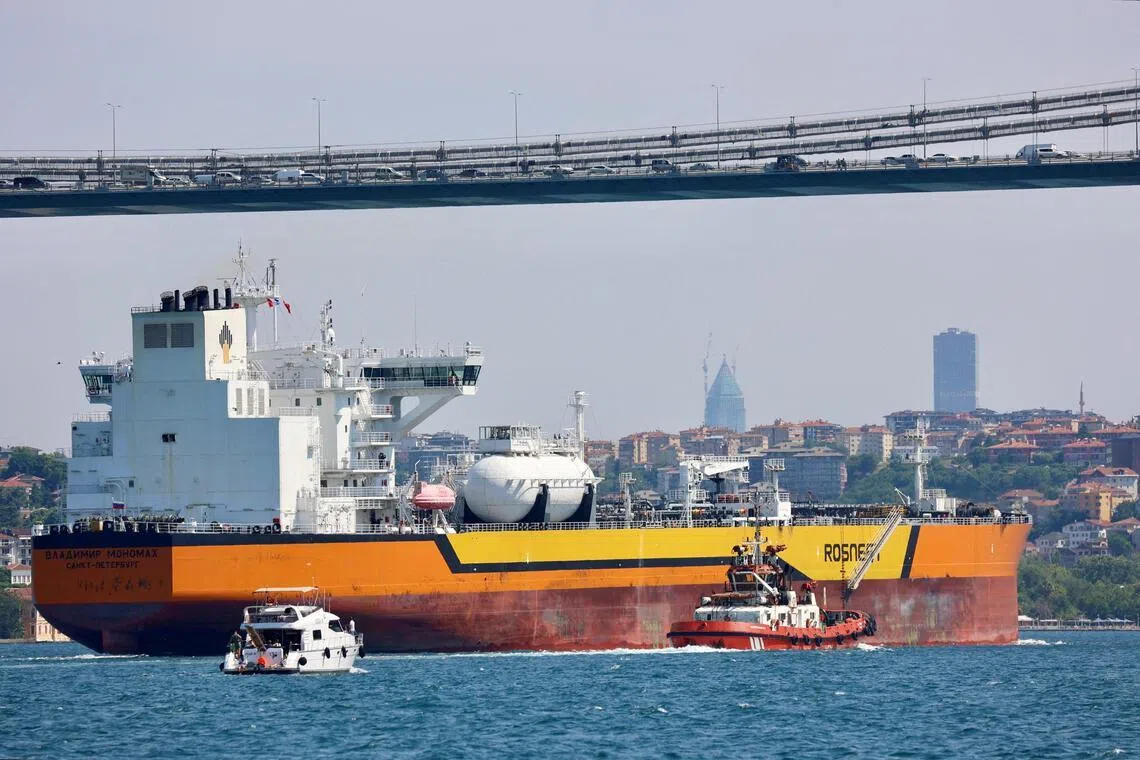
Since Western sanctions were imposed on Moscow after the Russia-Ukraine war, Russian crude has often traded at significant discounts to global benchmarks, such as Brent crude oil.
At times, those discounts have reached between US$10 and US$20 a barrel, creating strong incentives for buyers willing to navigate the logistical and financial challenges associated with Russian supply.
Even modest discounts could produce financial benefits. Pandey from Rystad Energy estimated that a US$1.50 per barrel discount on an initial supply of about 20,000 barrels a day could generate annual savings of around US$11 million.
“While relatively small in absolute terms, the economic impact could scale significantly if import volumes increase over time,” he said.
Similar supply dynamics have already emerged in other major Asian economies. Countries such as India and China have significantly increased imports of Russian oil since 2022, building long-term commercial relationships that allow them to benefit from discounted crude.
From a technical standpoint, analysts said that Russian crude could fit relatively well into Indonesia’s refinery system. Russian Urals crude and Saudi Arabian oil are quite similar. Both are medium-sour crude with similar density and sulphur levels, which makes them broadly compatible for refining.
This means that Russian crude is a natural substitute in Indonesian state oil producer Pertamina’s refinery diet, particularly at Cilacap and Balikpapan, without any fundamental reconfiguration required. The two facilities are the country’s largest refineries by production capacity, capable of producing around half a million barrels a day in total.
Geopolitical risks
Analysts generally agreed that Russia could help meet part of Indonesia’s energy needs, but they also cautioned that imports from Russia carry risks, including potential secondary sanctions and reputational pressure in relations with Western partners such as the US and EU.
Pandey said importing Russian supply at scale will be met with constraints around sanctioned entities, shadow-fleet vessels and payments, although a bilateral deal would help insulate Pertamina from compliance exposure.
Sasmita noted that operational challenges related to shipping insurance and financing could also complicate transactions.
“If the discount remains high, the risk-adjusted return could still make sense,” he said. “But if the discount narrows, the economic advantage will quickly erode.”
Bhima Yudhistira, executive director of the Center of Economic and Law Studies, said that Russian crude could become less attractive once freight costs, insurance, financing hurdles and political risks are included.
He estimated that insurance alone could add US$2 to US$4 a barrel compared with Indonesia’s usual imports from Singapore. He also noted that longer shipping routes and more complex trading structures could limit overall savings, making any deal potentially marginal.
“Closer energy ties with Russia may complicate Indonesia’s relations with the US amid broader efforts to expand trade and investment cooperation,” he added.