



Indonesia may struggle to deliver on new US farm import promises: traders
Jakarta could direct the state-owned animal feed importer to buy larger volumes to please the US
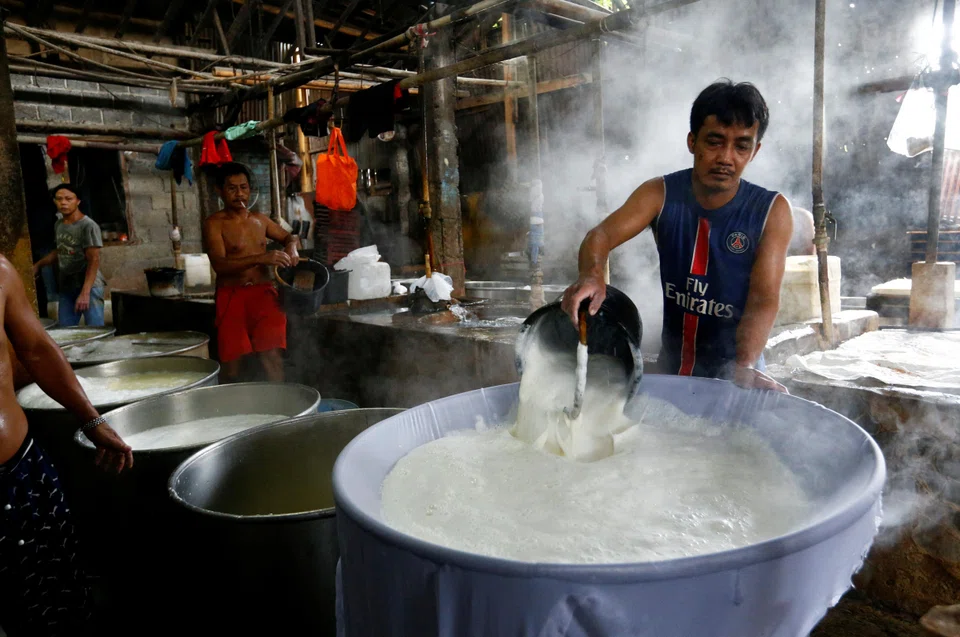
[JAKARTA] Indonesia could struggle to meet its pledge for a significant ramp-up of US agricultural imports under its new trade deal, traders said, with the burden of vastly increasing US soybean meal purchases falling on a state agency newly tasked to buy animal feed.
On Feb 19, the country finalised a deal that lowers US tariffs on its goods from 32 to 19 per cent, with key commodities including palm oil, cocoa and rubber exempted from import duties.
In return, it pledged to raise annual US wheat imports from 1.1 million tonnes in 2025 to two million metric tonnes, boost soybean purchases from 2.2 million to 3.5 million tonnes, and increase soybean meal imports from 216,257 to 3.8 million tonnes, among other commitments.
“Indonesian millers are already buying more US wheat,” said a trader at an international trading company which supplies wheat and feed grains to Indonesia.
The trader noted that the country’s purchases of US wheat increased to 1.1 million tonnes in 2025 from 750,000 tonnes a year earlier. “At best, they can buy 1.25 million or 1.3 million tonnes in 2026.”
Diversifying exports
The US, a major supplier of agricultural goods, is seeking to diversify farm exports to markets beyond top buyer China, which is curbing purchases amid trade tensions with Washington.
For soybeans, Indonesia already buys most of its cargoes from the US to meet rising demand for tofu and tempeh, a traditional cake-like fermented bean product, and its new commitment to Washington exceeds its overall annual imports.
It consumes 2.7 million to 2.9 million tonnes of soybeans a year, nearly all of it imported, said Akindo, the country’s association of soybean importers.
“The commitment to purchase 3.5 million tonnes a year needs to be assessed realistically, so that it will not exceed domestic demand (and) disrupt supply balance,” its chairman Hidayatullah Suralaga said on Tuesday (Feb 24).
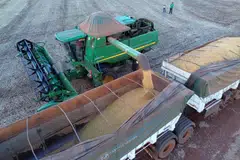
Indonesia bought 216,257 tonnes of US soybean meal in 2025 – which is up by around 50 per cent from a year earlier but falls far short of the 3.8 million tonnes it has committed to buy.
Because the purchase commitment is so high, it could direct Berdikari, the country’s state-owned animal feed importer, to buy larger volumes to please the US – even if prices are higher than those offered by competing suppliers, said a Singapore-based grain trader.
In late 2025, Jakarta tasked Berdikari with making all feed-grain purchases from 2026, handing it the role from private importers.
Agung Suganda, the director general of livestock and animal health at the Agriculture Ministry, said on Dec 30 that the company has been assigned to import around five million tonnes of soybean meal in 2026 to supply feed mills and smallholder chicken farmers.
Hasbi Al-Islahi, the corporate secretary of Berdikari, said on Tuesday that the company’s preparations to import soybean meal are underway, and it is awaiting government regulations for the imports, which it expects will be issued in March.
Indonesia imported six million tonnes of soybean meal in 2025. Under its deal with Washington, the country also agreed to purchase 100,000 tonnes of US corn and 163,000 tonnes of cotton, in addition to beef and fruit. REUTERS
Decoding Asia newsletter: your guide to navigating Asia in a new global order. Sign up here to get Decoding Asia newsletter. Delivered to your inbox. Free.
Share with us your feedback on BT's products and services
TRENDING NOW

Once staunchly pro-China, Malaysian Chinese businesses are now distancing themselves from Beijing

Looking beyond looming CEO succession, should UOB potentially pursue a transformative merger?

Could stablecoins be the future of money?

Grab CEO’s wife Chloe Tong on life with Anthony Tan and finding her purpose

