Indonesia mulls 0% income tax to draw money to new financial hub
Bali is among the areas under consideration for the hub’s location
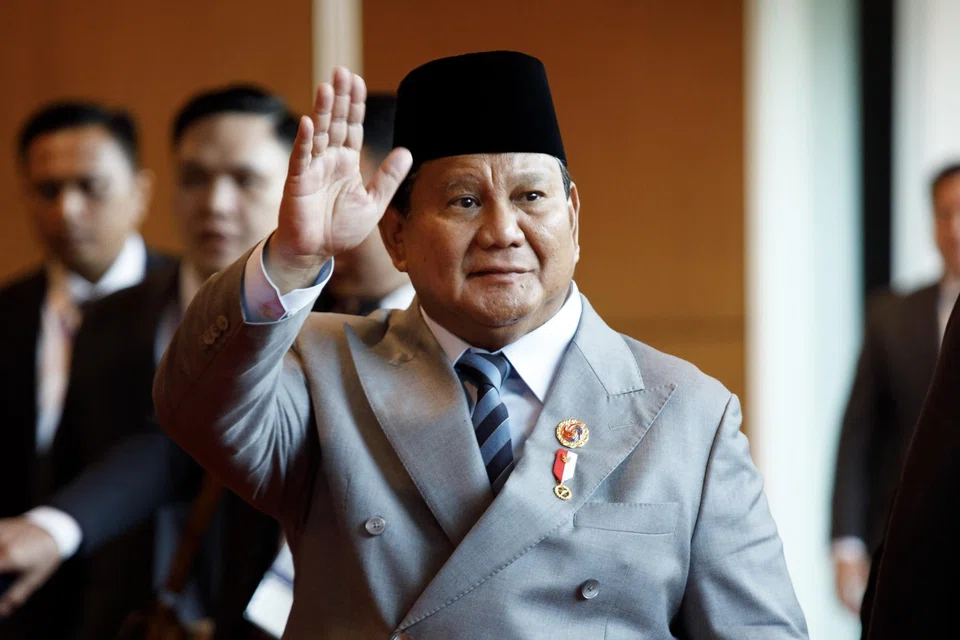
[JAKARTA] Indonesia is planning sweeping tax incentives for a proposed international financial centre, including an effective 0 per cent income tax rate for some businesses and foreign finance experts.
The Bill to create the Indonesia International Financial Center, discussed on Monday (Jul 6) at a public hearing between lawmakers and legal and economic experts, would offer a 100 per cent corporate income tax reduction for businesses operating in the zone, along with a full income tax break for foreign financial-sector experts.
Foreigners holding so-called Golden Visas in the zone may not be treated as domestic tax residents, while overseas investors earning dividends or other investment returns from the hub could be exempt from Indonesian withholding or collection tax.
The Bill also allows value-added tax to be waived, exempts luxury-goods sales tax and import duties, and permits additional tax incentives to be set by government regulation.
The Bill would ring-fence the financial hub from Indonesia’s domestic market by barring businesses inside the zone from raising public funds or transacting with domestic consumers outside it.
The hub’s financing would draw on both public and private sources, including cash, state-owned assets, assets held by state-owned enterprises, business entities, the investment management arm of sovereign wealth fund Danantara, or other lawful channels.
Lawmakers and the government are deliberating the proposal and aim to pass it into law in the coming weeks.
Bali is among the areas under consideration for the hub’s location.
The financial-centre plan is the latest effort by President Prabowo Subianto to draw in capital for an increasingly ambitious state-led economic agenda in South-east Asia’s largest economy.
SEE ALSO
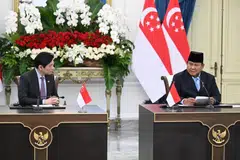



Prabowo has pledged to lift economic growth towards 8 per cent, a mark not seen in Indonesia in decades, while rolling out national programmes that require fresh sources of financing beyond the state budget.
The push would put Indonesia in competition for mobile capital, wealth managers and financial firms with established hubs such as Singapore and Hong Kong, as well as Dubai.
Those centres appeal to investors not just through tax perks, but through transport and connectivity infrastructure, as well as regulatory predictability, specialised legal systems and investor trust, areas Indonesia will need to improve amid deteriorating investor confidence in recent months.
Fund managers and ratings analysts have grown more wary of Indonesia’s policy direction under Prabowo, citing greater uncertainty, a more centralised decision-making process and signs that economic management is becoming more interventionist.
That backdrop risks complicating the government’s pitch that the country can become a trusted international financial hub.
Under the Bill, the proposed zone would:
- Permit businesses in banking, insurance, pension services, capital markets, bullion, family offices and other financial activities, along with professional services including accounting, legal counsel and financial consulting.
- Have financial and administrative autonomy, backed by special legal provisions allowing it to implement or adapt international principles and standards.
- Include a special court and an arbitration body; the court would have broad authority over business disputes, contracts and tax-related issues, with rulings that are final and not subject to appeal or judicial review except in limited cases involving international arbitration.
- Be overseen by a council led by a governor – appointed by and accountable to the president – that would be authorised to issue further rules and licences, including additional incentives on immigration, labour and residency.
During the hearing, academics largely advised that the financial centre’s establishment should be supported by a clear institutional framework, as well as strong and integrated oversight and risk management.
The government also needs to ensure the readiness of professional talent and human resources, as well as the financial and legal infrastructure, to support cross-border business activities that can compete with existing global hubs, they said. BLOOMBERG
Decoding Asia newsletter: your guide to navigating Asia in a new global order. Sign up here to get Decoding Asia newsletter. Delivered to your inbox. Free.
Share with us your feedback on BT's products and services