



Indonesia posts unexpectedly large US$4.4 billion trade surplus, boosted by strong exports and weak imports
This is one of several key economic indicators the central bank will review in its monetary policy meeting on Wednesday

[JAKARTA] Indonesia recorded an unexpectedly large trade surplus of US$4.4 billion in November, fuelled by a sharp rise in exports and weaker-than-expected imports, according to the country’s statistics bureau.
The figure, revealed on Monday (Dec 16), significantly outpaced Reuters’ analyst forecast of a US$2.2 billion surplus, and marked the country’s largest trade surplus since March.
November’s export figures were particularly striking, climbing 9.1 per cent year on year to US$24 billion, far more than the expected 4.9 per cent growth.
Amalia Adininggar Widyasanti, the acting head of Statistics Indonesia, attributed the surge to robust shipments of agricultural and manufactured products, highlighting items such as cocoa butter and cocoa powder as key contributors to the growth.
The expansion in exports was driven by higher shipments to key trading partners, with significant increases to the United States, China, Asean countries, and the European Union.
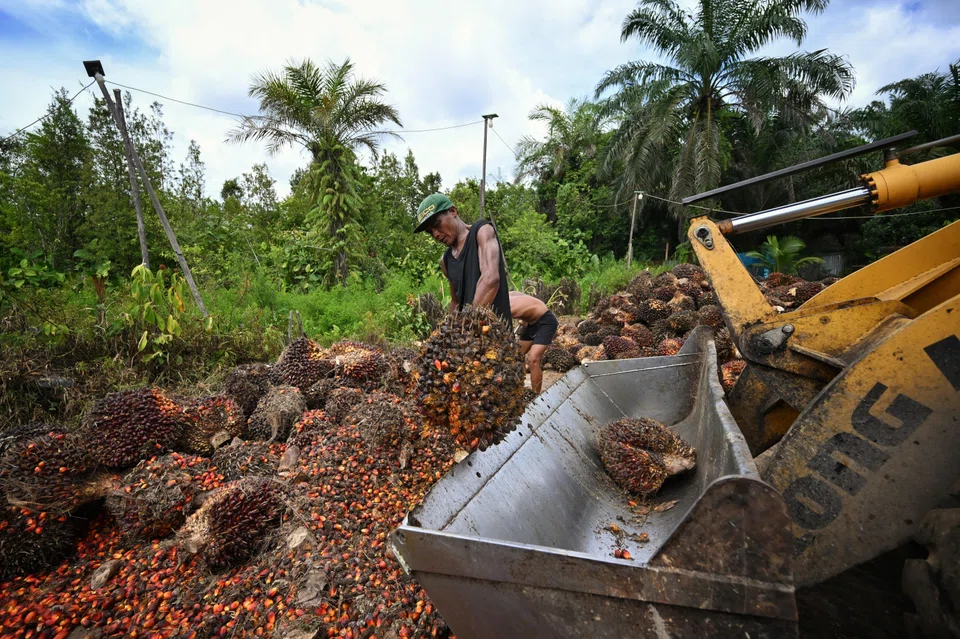
Indonesia’s top commodities delivered mixed performances in November, with coal exports slipping by 4.4 per cent, while palm oil shipments managed a modest growth of just 2.2 per cent.
Imports, on the other hand, were stagnant at US$19.6 billion, defying expectations of a 6.2 per cent increase.
Key product categories such as machinery, electronics, and steel saw declines, adding to the widening trade surplus.
This trend reflects the ongoing contraction in the country’s manufacturing purchasing managers’ index, which has remained below 50, signalling a decline in the manufacturing sector rather than growth.
Analysts suggest that the sluggish growth in imports could be a sign of weakening domestic demand.
Fithra Faisal, senior economist at Samuel Sekuritas, highlighted that Indonesia’s trade performance will be shaped by global dynamics, commodity prices, and shifts in domestic policy.
“We foresee a possible slowdown in export growth, which, though rooted in challenging factors, could actually bolster the country’s trade position. This is due to the ongoing industrial contraction and the diminishing impact of seasonal trends as the year draws to a close,” he wrote in a report.
Narrow scope for rate cuts
The trade data is one of several key economic indicators the central bank will review in its monetary policy meeting on Wednesday, with analysts forecasting no change to the key interest rates.
Euben Paracuelles, senior economist at Nomura, noted that renewed pressures on the rupiah, a longstanding concern for Bank Indonesia (BI), could prompt the central bank to delay any rate cuts, given its focus on maintaining exchange rate stability.
Last Friday, the rupiah slipped past the 16,000 mark against the US dollar for the first time since July, moving in tandem with other regional currencies.
This latest bout of weakness in the rupiah led BI to conduct “triple interventions” late last week – targeting spot foreign exchange (FX) markets, domestic non-deliverable forwards, and government bonds.
Officials described these measures as “quite bold”, signalling a heightened sense of urgency in addressing the currency’s decline. “We think BI is highly unlikely to contradict itself by conducting significant FX interventions only to cut its policy rate a few days later, which could undermine its credibility under the current policy framework,” Paracuelles said.
Following the trade announcement, the rupiah gained slightly but continues to hover near its four-month low against the US dollar.






