



Indonesia ramps up grain production to improve food security
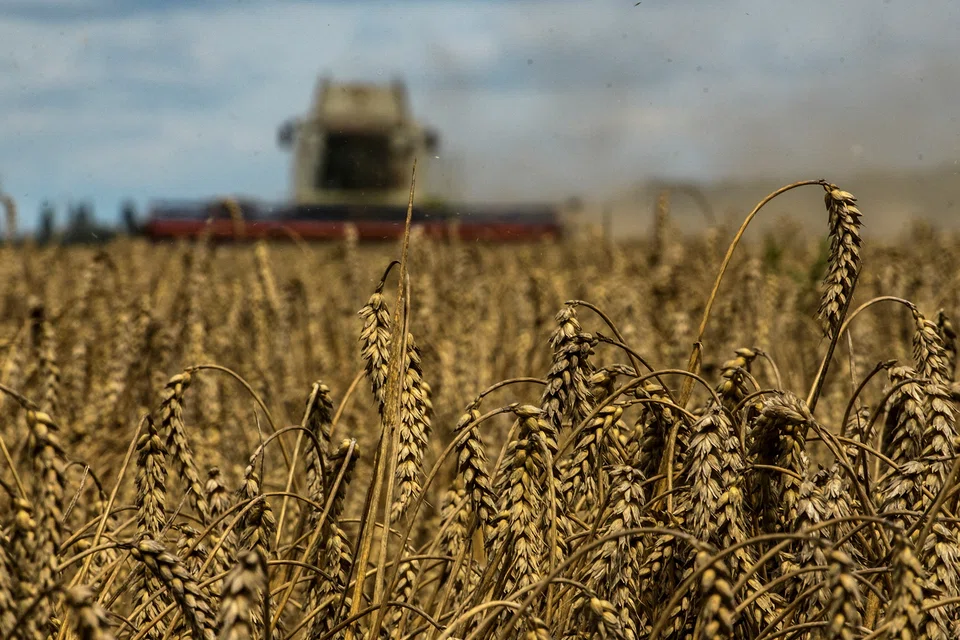
INDONESIA, a resource-rich country but also one of the world’s top importers of wheat and sugar, is boosting production of staple crops as the Covid-19 pandemic and war in Ukraine exposed risks in its food supply chain.
Already the biggest palm oil producer, the Southeast Asian nation is trying to increase output of corn and wheat substitutes like sorghum, sago and cassava. The move is fueled by worldwide labor shortages, soaring energy costs and Russia’s invasion of Ukraine, which propelled global food prices to records.
Food security is a key priority for President Joko Widodo, popularly known as Jokowi, who is set to host a group of 20 leaders summit in November. This year, Indonesia has faced inflationary pressure from surging edible oil prices, prompting the government to ban palm oil exports temporarily in one of biggest acts of food protectionism globally since the war erupted in Ukraine.
Here are the ways Indonesia is seeking to boost agricultural production:
Wheat
Indonesia is the world’s second-biggest importer of wheat and has felt the impact of Russia’s war in Ukraine, which cut off grain supplies from a region that fed billions of people in the form of bread, pasta and packaged foods.
Indonesia is pushing for higher output of sorghum, sago and cassava, a move that is taken as the country may have to deal with prolonged export bans from some producing countries. President Jokowi has instructed the cabinet to produce a roadmap for expanding planting areas by at least 300 per cent through 2024.
The country depends on imported wheat — mainly from Australia, Ukraine, Canada, Argentina and the US — to produce things like instant noodles, which make up a major part of the Indonesian diet. Sorghum flour has a texture and density that makes it comparable to wheat flour.
Corn
Indonesia, which imports less than 1 per cent of global corn trade, is planning to stop buying from overseas in 3 years. Corn imports have already declined sharply to 800,000 tons from as much as 3.5 million tons seven years ago.
Indonesia uses corn as a livestock feed, mainly for its poultry sector. Besides curbing imports, the country is also planning to build up state reserves to help stabilize prices of corn.

Rice
Rice is the staple food in Indonesia and the country has long pushed for self-sufficiency to ensure stable supplies and prices for its 270 million people.
The country hasn’t imported rice for the past 3 years as stockpiles are ample. State-owned food company Bulog even aims to export rice to neighboring countries such as Timor-Leste. President Jokowi has said the country needs to remain vigilant and find new high-yielding rice varieties.
Others
Indonesia still relies on other countries for much of its sugar, soybeans, beef and garlic supplies. The government is focusing its distribution of subsidized fertilizers on 9 food crops such as rice, corn, soybean, sugar cane, chilies, shallots and garlic. That’s down from 70 crops under the previous policy as the government said there’s a need to safeguard production of staple crops.
BLOOMBERG
Decoding Asia newsletter: your guide to navigating Asia in a new global order. Sign up here to get Decoding Asia newsletter. Delivered to your inbox. Free.
Share with us your feedback on BT's products and services
TRENDING NOW
Easy to rent out, hard to sell: Are buyers losing interest in Singapore’s one-bedroom condos?

GovTech retrenches another 38 staff in second round of layoffs

Stocks to watch: Seatrium, CapitaLand Investment, Keppel DC Reit, Suntec Reit, CLCT, TSH Resources

World’s largest offshore wind platform by Seatrium consortium on track to be completed by 2028

