



Indonesia reopens all airports as Anak Krakatau ash clears
Eight people, including five journalists who had been reporting on the volcano, are missing
[TANGERANG, Indonesia] Indonesia has reopened all the airports closed by volcanic ash from Mount Anak Krakatau, including Jakarta’s main airport, but eight people, including five journalists who had been reporting on the volcano, are missing.
Further eruptions on Tuesday (Sep 8) could also cause more disruption, officials said.
Ash from Anak Krakatau, situated halfway between Java and Sumatra islands, has blanketed Jakarta and some surrounding areas since its initial eruption late on Friday. It led to the closure of eight airports for safety reasons, affecting more than 340,000 travellers.
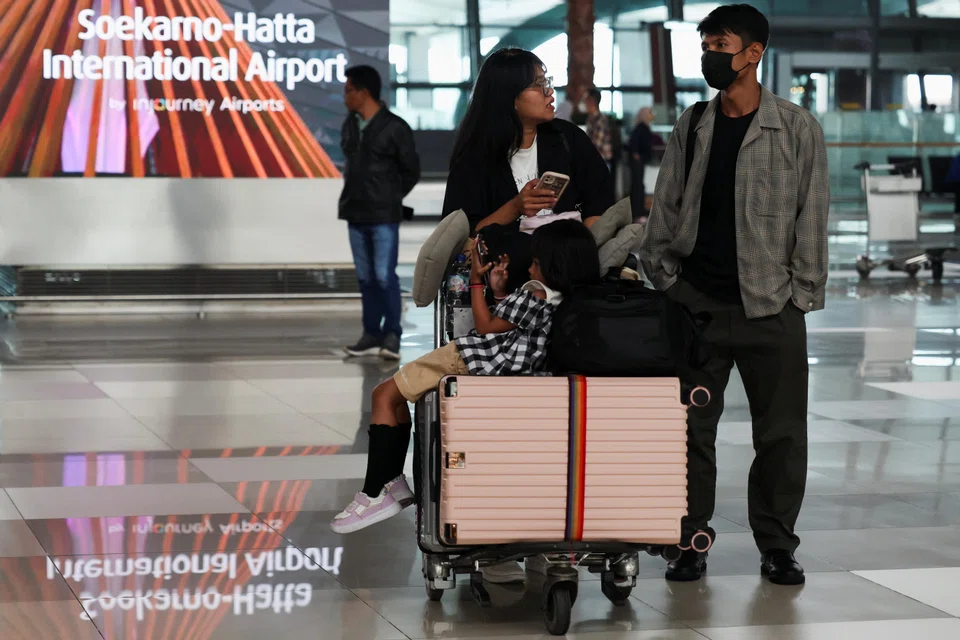
Soekarno-Hatta Airport, Jakarta’s main airport, resumed operations on Tuesday after wind blew the ash away, Transport Minister Dudy Purwagandhi said in a statement. He added that authorities would check the airworthiness of 178 planes that were grounded there during the closure.
“Perhaps it’ll take some little extra time to prepare the planes,” Dudy said.
Traveller Alvin Pratama Putra, 31, who had arrived at Soekarno-Hatta on Sunday for a flight to South Korea for work, said that his flight had been rescheduled to Thursday.
“What can you do? It’s nature. It’s dangerous for the plane if you force it,” he said, adding that he had been sleeping on a bench at the airport.
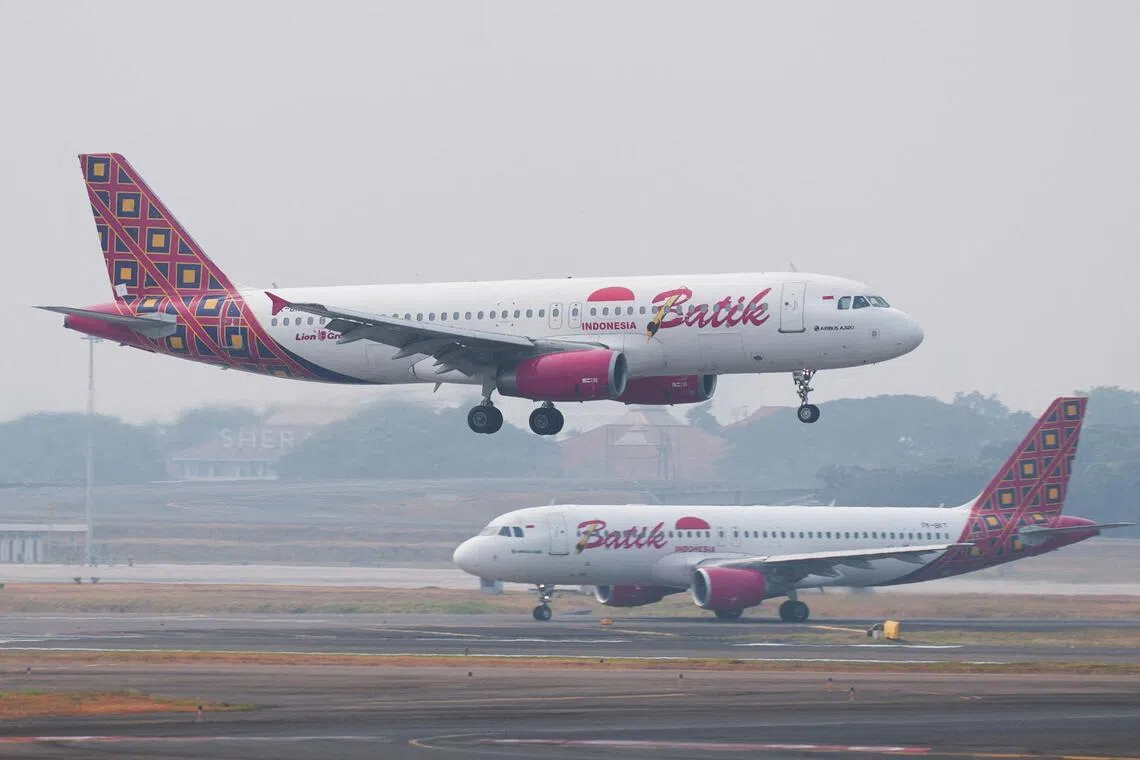
Six other airports, including a smaller one in Jakarta and another in the neighbouring city of Bandung, also reopened on Tuesday. Another airport had already reopened on Monday.
Bayu Sutanto, Secretary General of the Indonesia National Air Carriers Association, said that the delays put strain on the finances of airlines that lose revenue from cancelled flights and face higher operating expenses.

Airlines could lose up to 19 billion rupiah (US$1 million) a day during such a disruption, Bayu noted, and that increased costs included extra fuel because of route diversions, aircraft parking and crew-related expenses.
The delay of one plane at Soekarno-Hatta could affect the next three or four flights using the same aircraft, he added.
Anak Krakatau erupted three times on Tuesday morning, the volcano monitoring agency said. The eruptions were smaller than before, but could still cause flight disruption depending on ash height and wind direction.
“So far, the impact is not as big as the previous eruptions, but we’ll continue to monitor,” Lana Saria, head of the geological agency, told Reuters in a text message.
The volcano is one of about 130 active volcanoes in Indonesia, which straddles the “Pacific Ring of Fire”, a seismically active zone where different plates on the Earth’s crust meet to create a large number of earthquakes and volcanic eruptions.
Other volcanoes, including Mount Ibu and Ili Lewotolok, both on islands east of Java, also erupted on Tuesday.
A speedboat carrying five journalists, who had been reporting on the eruptions, and three crew members has been missing in the Sunda Strait, off Pandeglang, Banten, since Monday, the local rescue agency said late on Tuesday.
The agency has deployed a 130-foot class rescue boat and six personnel to find them, the agency chief Al Amrad said.
Anak Krakatau, which means “Child of Krakatau”, began emerging a century ago from the area previously occupied by Krakatau, then known as Krakatoa. The older volcano destroyed itself in mass eruptions in 1883, which killed more than 36,000 people after triggering a series of tsunamis. REUTERS
Decoding Asia newsletter: your guide to navigating Asia in a new global order. Sign up here to get Decoding Asia newsletter. Delivered to your inbox. Free.
Share with us your feedback on BT's products and services






