



Indonesia retailers cheer Temu ban as big win in battle to stem tide of cheap imported goods
As authorities tighten the reins, major players such as Shopee and Lazada have already suspended their cross-border services in the country

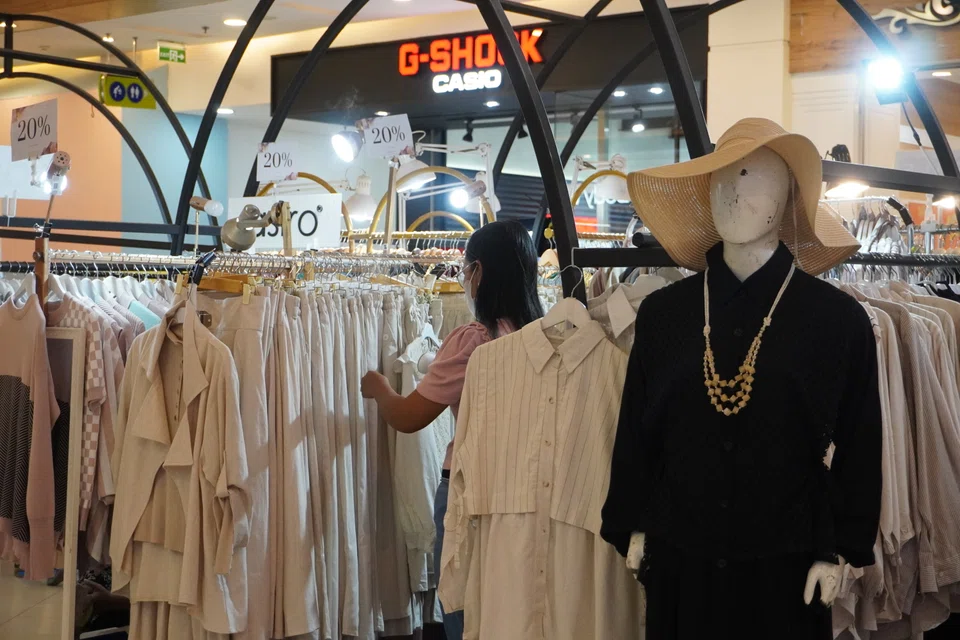
[JAKARTA] Indonesia is intensifying its crackdown on the import of low-cost goods to safeguard local businesses, especially those in the struggling textile industry that has been hit hard by the influx of these cheap imports.
Recently, the government upheld its ban on Temu – a popular China-based e-commerce platform – operating in the country, citing concerns over the company’s potential predatory pricing practices.
Scores of Indonesian retailers hailed the ban, describing it as a “lifeline” after years and even decades of trying to cope with the flood of cheap imported goods. The Temu ban was announced by Minister of Communication and Informatics Budi Arie Setiadi last week, who said that Temu’s business model was highly disruptive.
He expressed concerns that Temu’s direct-to-consumer model – which skips over local middlemen by shipping goods directly from Chinese factories to Indonesian consumers – could further erode the competitiveness of domestic producers.
“This could seriously impact our small and medium-sized enterprises. Imagine, direct from the factory to consumers. How can we compete?” he was quoted by Antara news agency as saying.
Setiadi added that Indonesia’s digital space should focus on things that “benefit society”.
“If it harms us, what’s the point? We’ll ban it. Our small businesses will be ruined if we don’t take action,” he said.
Seeking approval
Temu, owned by China’s PDD Holdings, has sought a licence to operate in Indonesia for the past two years but faced rejection at least thrice.
Local media reports said that Temu has also been exploring opportunities to enter the lucrative Indonesian market by partnering e-commerce firm Bukalapak.
However, in a recent filing with the Indonesia Stock Exchange, Bukalapak said that it was not aware of any plans for any approach by Temu so far.
Moga Simatupang, director-general at the Ministry of Trade, said that Temu would have to navigate local regulations if it wants to do business in Indonesia. This includes establishing a legal entity in the country and collaborating with local stakeholders.
“All business activities in Indonesia must adhere to the rules,” he said. “Until those requirements are fulfilled, we will take the necessary actions to ensure compliance.”
Protectionism taken to new level
For Eduardus Adityo, co-founder of local clothing line Elhaus, the Temu ban offers a much-needed chance for small businesses like his to compete on a more level playing field.
While he acknowledged that e-commerce platforms have been a boon for entrepreneurs, he warned that Temu’s business model could kill off many companies as it provides products directly to the customer.
“With their vast resources and capacity, it’s hard to imagine how Chinese manufacturers can sell finished products at prices lower than the average production costs of Indonesian producers. It’s simply unreasonable,” he said.
“In this scenario, we are bound to lose.”
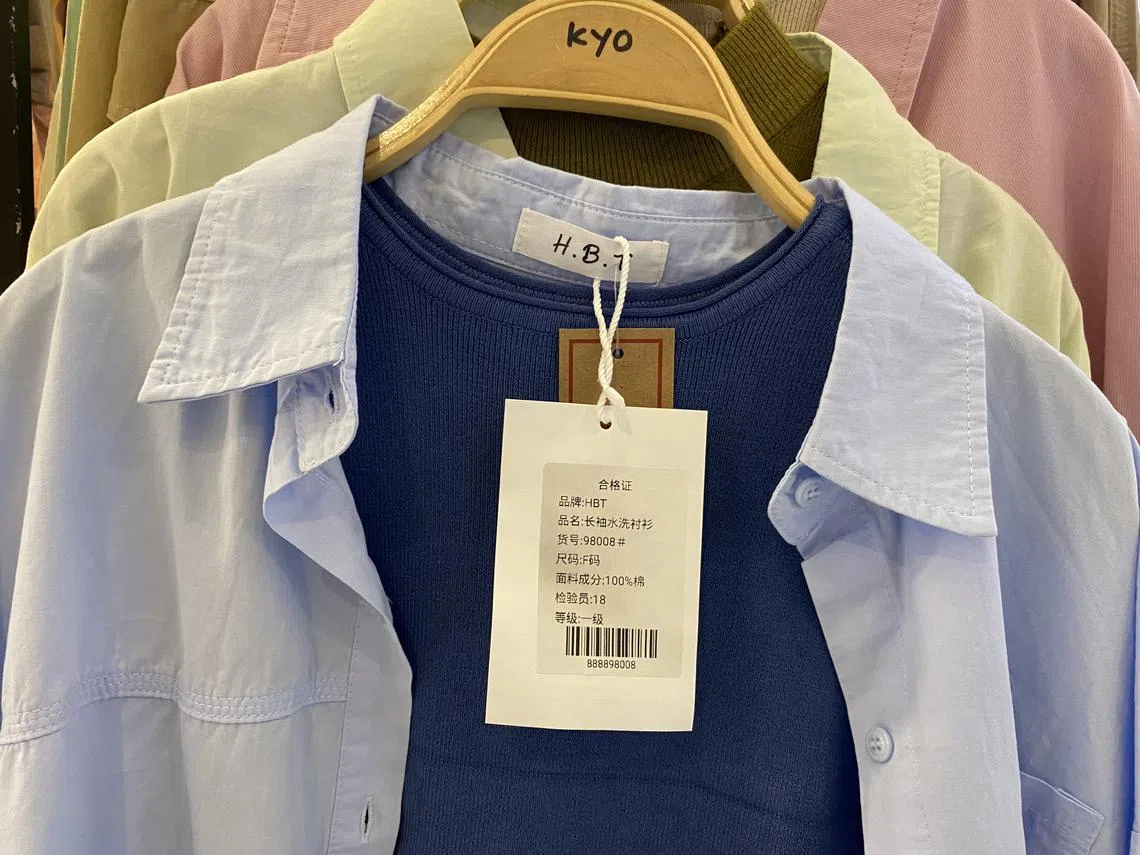
In a bid to protect local businesses, the government formed a task force earlier this year aimed at monitoring the illegal entry and circulation of imported goods, led by the Ministry of Trade.
Last year, the Indonesian government also banned cross-border e-commerce transactions for goods priced under US$100.
As authorities tighten the reins, major players such as Shopee and Lazada have already suspended their cross-border services in the country, while AliExpress quietly ceased shipping to Indonesia at the end of last year.
TikTok, the Chinese social media platform renowned for its live shopping feature, has also felt the impact of Indonesia’s protectionist regulations.
Last year, the government implemented a ban on sales through social media, prompting TikTok to acquire Tokopedia, an Indonesian e-commerce platform that is part of the GoTo group.
Fight of the cheap
From daily necessities to the latest fashion trends, Chinese goods have woven themselves into the fabric of Indonesian households, reshaping both consumer behaviour and the local economy.
China’s ability to mass-produce goods at rock-bottom prices has made it a dominant player in global trade, with Indonesia being one of its largest markets.
According to data from Indonesia’s statistics bureau, the country imported nearly US$50 billion worth of goods from China in 2023 alone, making China Indonesia’s biggest trading partner.
The influx of these inexpensive items has been blamed for overwhelming local markets and undermining domestic manufacturers, sparking concerns among governments in the region about the long-term impact on their economies.
Redma Gita Wirawasta, chairman of the Indonesian Filament Yarn and Fiber Producers Association, said that both legal and illegal textile imports have eroded the competitiveness of local textile factories, leading to the closure of several plants and massive layoffs within the industry.
Despite Indonesia’s economy expanding at a rate of around 5 per cent in recent years, the textile industry – once a pillar of the nation’s economic engine – has undergone a sharp decline, shrinking by up to 2 per cent.
“Textile factory utilisation in Indonesia is currently at just 45 per cent, due to the surge of imported goods over the past two years. These imports are arriving at unrealistically low prices, forcing us to reduce production,” Wirawasta said.
Experts argue that the surge in imports from China is a direct result of Indonesia’s lack of preparedness for the Asean-China Free Trade Area signed 15 years ago, leaving the country ill-equipped to handle the economic changes it has brought about.
Ahmad Heri Firdaus, a researcher at the Trade and Investment Industry Centre of the Institute for Development of Economics and Finance, said that while Indonesia has embraced multiple free trade deals to boost its global competitiveness, this drive has not been matched by a strengthening of its domestic industrial capacity.
Loophole at the border
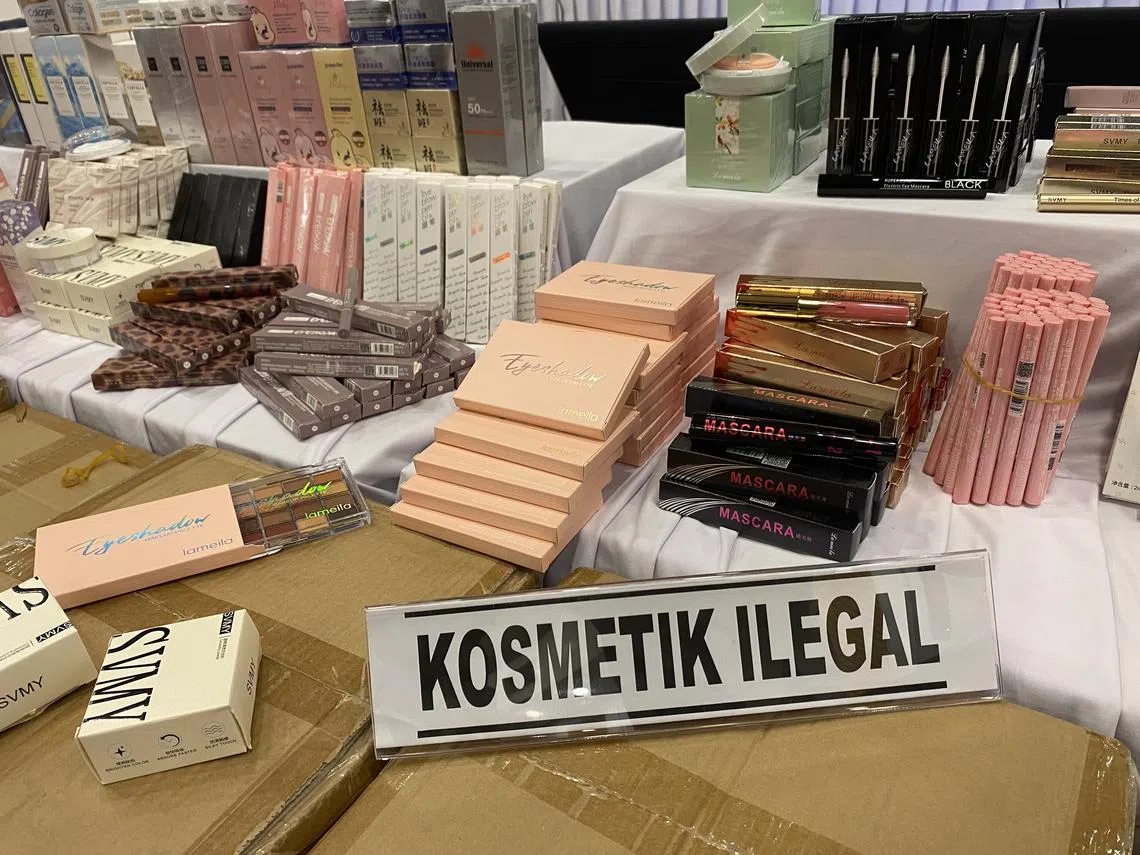
Although strict regulations have been enforced, Indonesia faces an uphill battle in controlling the flow of cheap and sometimes illicit goods.
The finance ministry’s Directorate General of Customs and Excise, which is responsible for tackling illegal imports, said Indonesia’s vast geography – spanning more than 17,000 islands and extensive maritime borders – poses a significant challenge to enforcing laws against smuggling and illicit trade.
“Currently, we are focused on monitoring entry points, such as small ports on the islands, which are often used as locations for smuggling,” said Askolani, the director-general of Customs and Excise.
In the first half of 2024, the Import Supervision Task Force has taken action against illegal textile imports valued at 40 billion rupiah (S$3.3 million).
However, the Indonesian Textile Association warns that this figure may only be the tip of the iceberg, with estimates suggesting that the true volume of illegal imports could far surpass this amount.
According to the Ministry of Cooperatives and Small and Medium-sized Enterprises, nearly half of imported textiles and textile products slipped through the cracks, unregistered, last year.
This oversight translates to a staggering US$400 million in lost revenue from unpaid taxes and excise duties.
In 2022 alone, China exported US$4 billion worth of textiles to Indonesia. Yet, just over half, or US$2.04 billion, of these imports made it onto the official books.
Wirawasta commended the government’s efforts to control imports but emphasised the need for more stringent oversight at illegal entry points.
“We see that efforts to prevent illegal imports are still half-hearted. To this day, illegal textile products from China continue to dominate the market,” he said.
The association noted that illegal textile imports now make up as much as 90 per cent of the downstream textile market.






