



Indonesia sticks to iPhone 16 sales ban despite Apple’s proposed US$1b investment
The company has proposed to establish an AirTag production facility in Batam

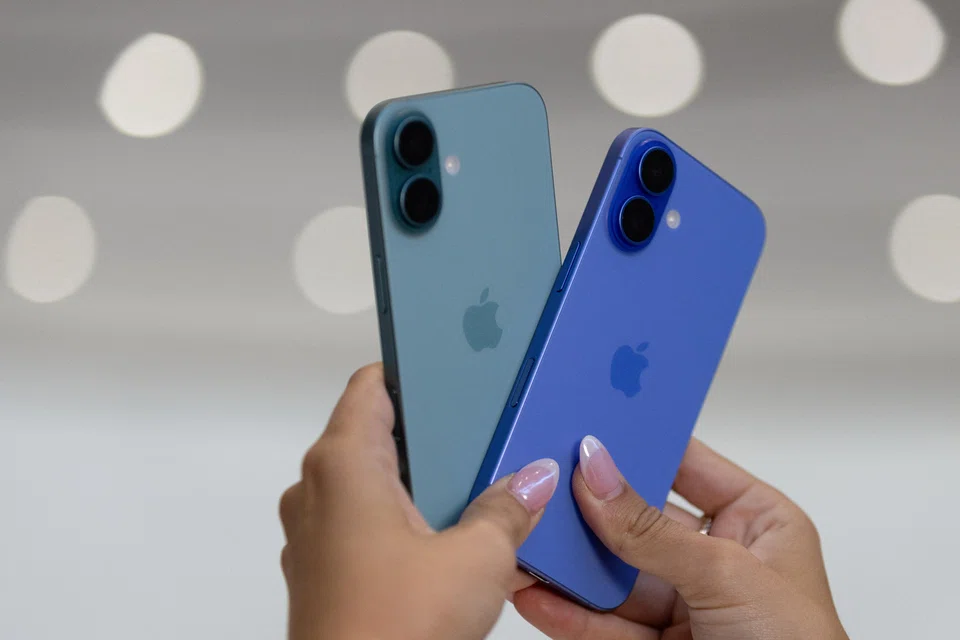
[JAKARTA] Indonesia remains firm on banning iPhone sales, citing Apple’s failure to comply with local content requirements, despite the company’s pledge to establish an AirTag manufacturing facility in Batam for US$1 billion.
The Indonesian government’s decision delivers a significant blow to Apple, which had previously submitted an investment proposal for a market of about 280 million people.
The confirmation came from Indonesia’s Minister of Industry, Agus Gumiwang Kartasasmita, on Wednesday (Jan 8), following a series of meetings with Apple’s management in Jakarta on Tuesday.
The discussions centred on the fate of the iPhone 16 Series, which has been banned from sale in Indonesia since its release in September last year.
“The Ministry of Industry has no basis to issue the local content certification for Apple products, particularly the iPhone 16,” Kartasasmita said in a press briefing.
Indonesia cited its domestic content requirements among the criteria and compelled Apple to elevate its investment proposal from US$10 million to U$1 billion within just a month – a high-stakes move to secure the right to sell its flagship device in the country.
In its latest bid to meet Indonesia’s demands, Apple has proposed that one of its suppliers establish an AirTag production facility on Batam island, creating jobs for about 1,000 workers, according to Bloomberg.
But Kartasasmita explained that the AirTag – a tracking device – do not fall under the category of mobile phones, handheld computers, or tablets, which are required to have at least 40 per cent locally made parts to meet domestic content requirements.
“However, AirTags are accessories, not mobile phones, computers, or tablets.”
“The government has always prioritised job creation from the start. We appreciate Apple for bringing their investment to build an AirTag manufacturing facility,” he said.
Kartasasmita emphasised that the company is not bound by a rigid deadline to meet the compliance.
“The decision is entirely in Apple’s hands, whether they choose to sell the iPhone 16 here, especially with the iPhone 17 set to launch later this year,” he said.
Indonesia previously stated that Apple must pledge new investments every three years, with the last commitment of US$10 million concluding in 2023.
To meet the local content mandate, Apple is now required to make a fresh investment commitment for the 2024–2026 period.
While Apple does not have a manufacturing facility in Indonesia, the technology giant is running two Apple Developer Academies in Jakarta and Batam.






