



Indonesia tightens rule on FX purchases after rupiah hit new record low
The currency has fallen about 4% this year against the US dollar
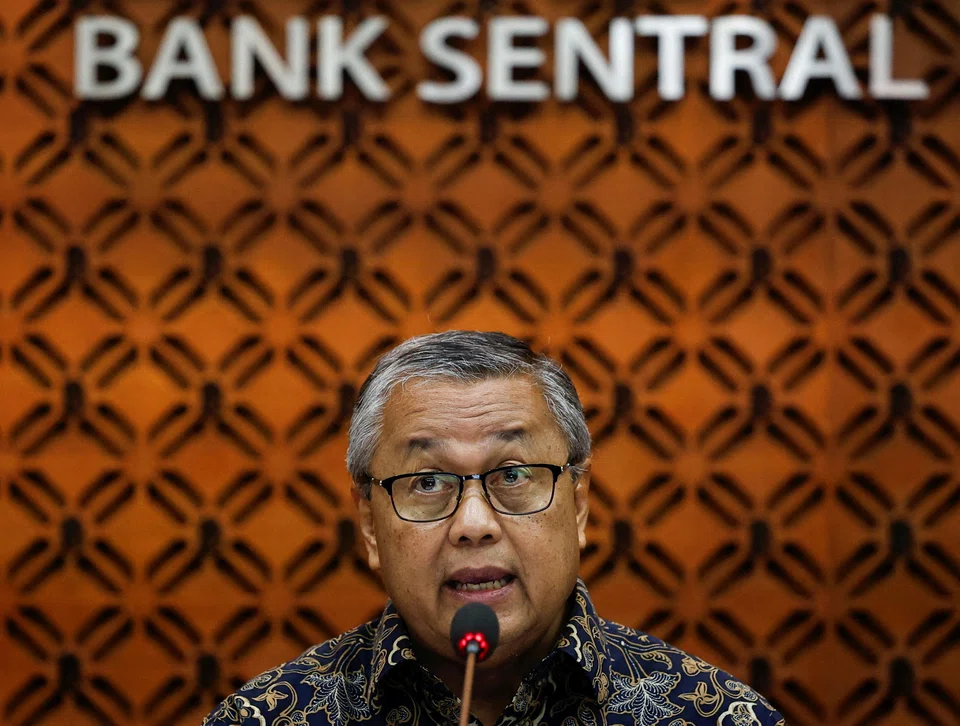
[JAKARTA] Indonesia further tightened rules on US dollar purchases to support the beleaguered rupiah after the currency slumped to a series of record lows.
Cash purchases of foreign currency without supporting documents will be cut to US$25,000 from US$50,000, to aid the rupiah, Bank Indonesia (BI) governor Perry Warjiyo said late on Tuesday (May 5).
The currency is undervalued and should strengthen, he said at a joint briefing with ministers after meeting President Prabowo Subianto.
The central bank intervened in the market on Tuesday as the rupiah fell as low as 17,443 per US dollar.
“BI’s move to tighten the FX threshold further after similar action back in March, aims to streamline demand for US dollars and ensure that purchases are backed by genuine underlying needs, rather than driven by speculative activity,” said DBS Bank economist Radhika Rao. “This should be viewed as a broader push to defend the currency as it hit new lows this week.”
The rupiah has fallen about 4 per cent this year against the US dollar, the worst-performing Asian currency after the Indian rupee and Philippine peso. It gained 0.3 per cent on Wednesday to 17,380 per US dollar.
A number of Asian central banks, including Indonesia, the Philippines and India, are coming under pressure to defend their currencies as oil prices surge due to the Iran war.
Philippine policymakers have intervened a number of times to bolster the peso, while their Indian counterparts are said to be weighing a plan for state-owned lenders to sell foreign-currency bonds to attract capital inflows.
Bank Indonesia tightened foreign-exchange regulations in April by requiring supporting documents for purchases of US$50,000 per buyer per month, down from US$100,000, and increasing the thresholds for forwards and swaps to help stabilise the rupiah.
SEE ALSO





The central bank will also allow some primary dealers to sell FX contracts in the offshore non-deliverable forwards market and to continue to issue bills to attract foreign inflows.
Some analysts say the rupiah is still likely to weaken despite the raft of supportive measures.
“A further reduction of the limit to US$25,000 looks to be timed to reduce onshore dollar buying tied to the Hajj pilgrimage later this month,” said Khoon Goh, head of Asia research at ANZ in Singapore.
“This in itself is unlikely to turn things around for the rupiah, given continued concerns over the impact of high oil prices on Indonesia’s external and fiscal positions.”
A revised rule on FX export earnings from the natural resources sector will take effect on Jun 1, Indonesia’s Coordinating Economic Minister Airlangga Hartarto said at the same briefing on Tuesday.
The rule, aimed at keeping more dollars onshore, requires foreign-exchange earnings to be held at state-owned banks, with no more than 50 per cent converted into rupiah, he said. BLOOMBERG
Decoding Asia newsletter: your guide to navigating Asia in a new global order. Sign up here to get Decoding Asia newsletter. Delivered to your inbox. Free.
Share with us your feedback on BT's products and services






