



Indonesian nickel giant Vale digs deeper into battery-grade nickel
World’s second-largest nickel miner is investing US$9 billion to make EV battery materials even as iron-based packs go mainstream

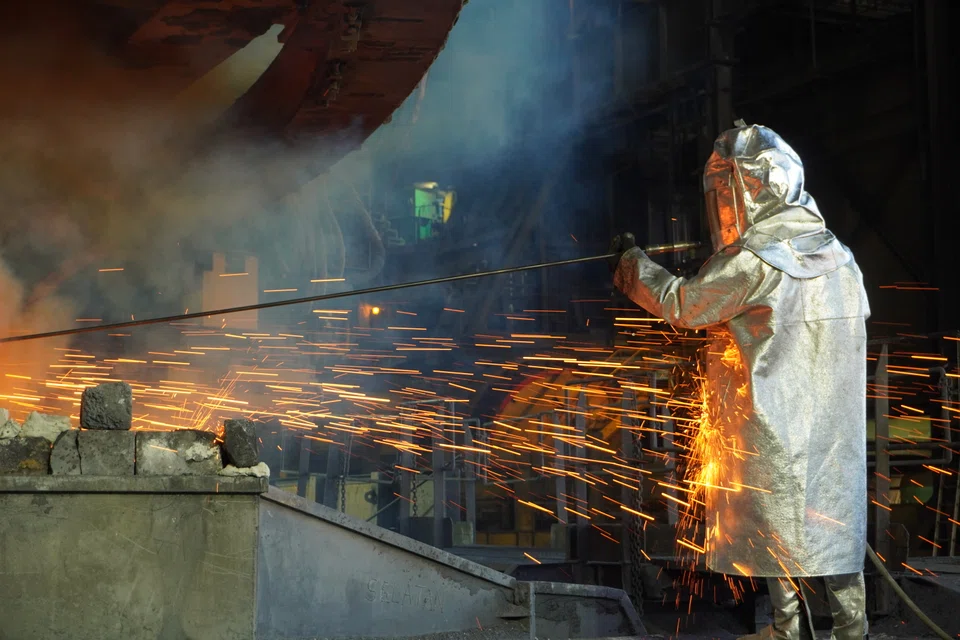
[SOUTH SULAWESI] Nickel giant Vale Indonesia is pressing ahead with a multibillion-dollar pivot into battery-grade nickel, betting that demand for nickel-based electric vehicle (EV) batteries will remain resilient even as lithium ironphosphate (LFP) batteries gain ground globally.
The strategy reflects the company’s view that nickel-rich batteries – prized for their higher energy density – will continue co-existing with LFP, particularly in higher-performance vehicles, vice-president director Abu Ashar told The Business Times.
“We are optimistic that nickel-based batteries will remain in demand because of their durability and longer cycle life,” he said, adding that several major manufacturers, including Chinese carmaker BYD, continue to use them alongside LFP batteries.
Vale Indonesia, one of the country’s longest-operating miners, is investing around US$9 billion to develop three major downstream projects aimed at producing materials used in EV batteries, led by a high-pressure acid leach plant in Pomalaa, in the province of South-east Sulawesi.
The company – set up in 1968 – is controlled by state-owned holding firm Mind ID, which holds a 34 per cent stake after a series of divestments. Vale Canada owns about 33.9 per cent of the shares and Sumitomo Metal Mining, around 11.5 per cent.
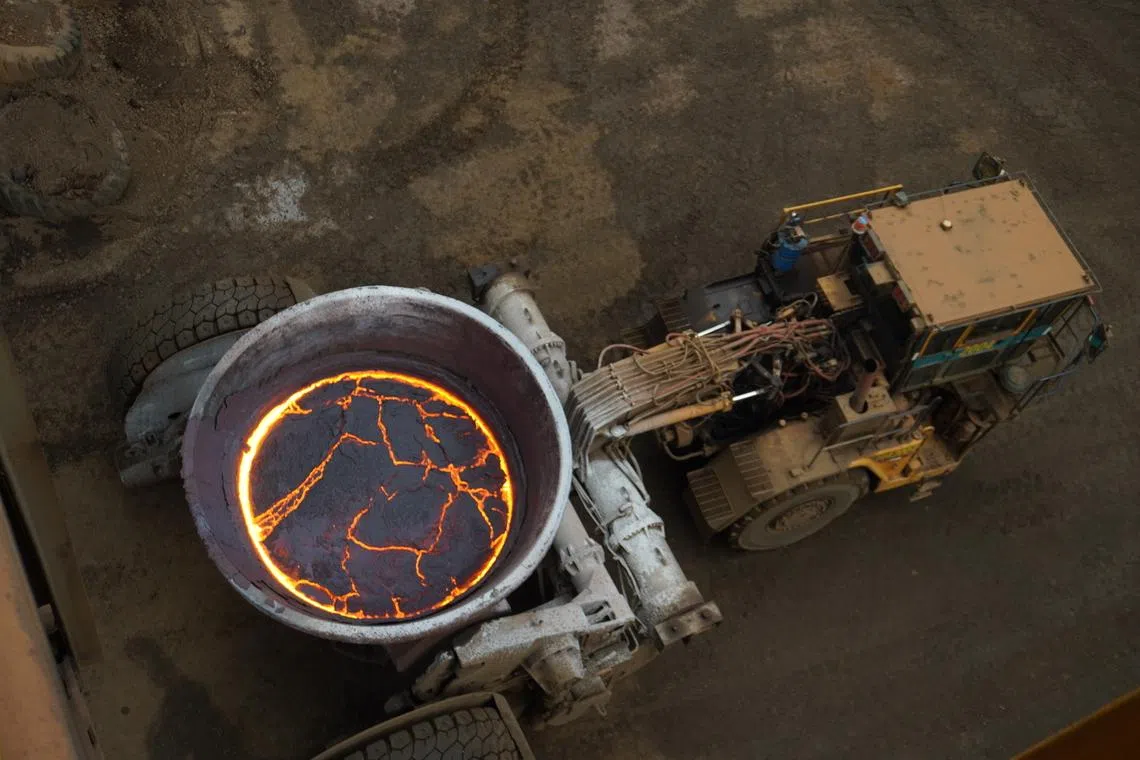
Vale Indonesia’s aggressive push comes as lithium-based batteries gain popularity, particularly in China, due to their lower cost and improved safety profile. The International Energy Agency (IEA) estimates that such batteries now account for nearly half the EV battery market.
Demand arising from EVs and energy storage is set to push the market to US$160.3 billion by 2030, as brands including BYD, as well as US carmakers Tesla and Ford, adopt lithium-based batteries to cut costs and improve safety.
Indonesia, home to the world’s largest nickel reserves, has been pushing to develop downstream industries, aiming ultimately to produce batteries and EVs.
Since 2020, Indonesia has banned exports of unprocessed nickel ore to secure its supply for domestic processing and attract foreign investment.
From nickel matte to battery materials
For decades, Vale Indonesia has been best known as a producer of nickel matte, a premium intermediate product used mainly for stainless steel.
Its operations span more than 118,000 hectares across Sulawesi, an island at the centre of the Indonesian archipelago, making the company one of the country’s largest nickel concession holders.
The company’s Sorowako operations in South Sulawesi have historically produced around 70,000 tonnes of nickel matte a year, with 100 per cent of output exported to Japan under long-term contracts with Sumitomo Metal Mining and Vale Japan.
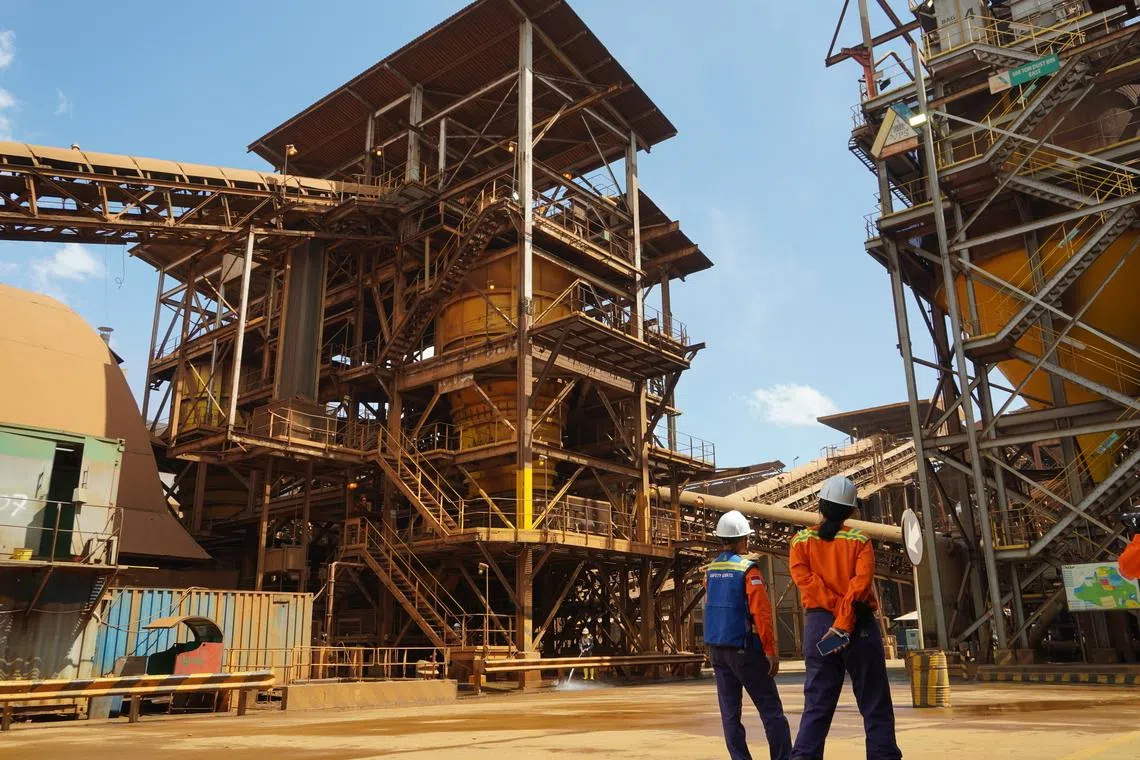
As Indonesia accelerates its push into the global EV supply chain, Vale Indonesia’s downstream nickel bet signals that the metal still has a long road ahead, even as lithium-based batteries gain ground.
The company’s Pomalaa site in South-east Sulawesi anchors its battery strategy. A US$4.5 billion plant is being developed there in partnership with Ford and China’s Zhejiang Huayou Cobalt. The project marks Ford’s first direct investment in Indonesia.
The new projects are designed to process limonite, a lower-grade nickel ore used to produce key raw materials for nickel-based EV batteries. Higher-grade saprolite will continue to be used for nickel matte.
Once operational, the plant is expected to produce 120,000 tonnes of mixed hydroxide precipitate annually; commercial operations are slated to begin in the fourth quarter of 2026.
Meanwhile, the Bahodopi project in Central Sulawesi will involve a US$2 billion investment in a high-pressure acid leach facility capable of processing 10.4 million tonnes of limonite ore annually, to produce about 66,000 tonnes of battery-grade mixed hydroxide precipitate.
“Battery projects do not replace nickel matte,” Ashar said during a site visit to Sorowako. “They complement it. Going forward, a single mining operation can produce two products more efficiently by extracting both low-grade and high-grade layers at the same time.”
The miner operates under a special mining business licence valid until 2035, with the option of a 10-year extension.
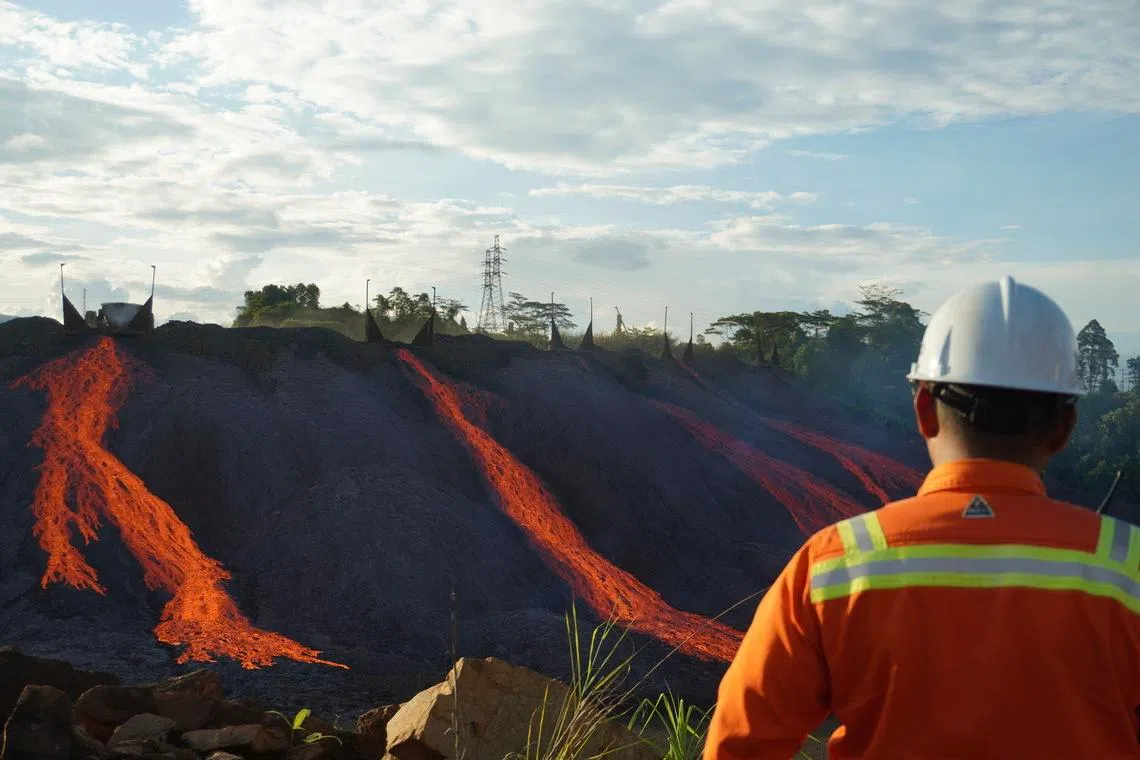
Weathering output curbs
Indonesia has said it will tighten supply in 2026 to support prices and market expectations.
Output at Vale Indonesia’s Pomalaa and Bahodopi sites will be capped at 30 per cent under government quota restrictions aimed at reining in supply. Ashar said nickel matte production at the Sorowako site will continue to operate at full capacity.
While the curbs reflect Indonesia’s broader effort to rebalance supply and shore up prices, Ashar said the company is beginning to see signs of a market recovery.
“We will optimise the available quota to generate the highest possible value,” he said.
Vale Indonesia had set a full-year production target of 71,234 tonnes for 2025. Company data showed that by November, it had already produced 66,848 tonnes, up 3 per cent year on year.
Full-year figures are not yet available, though Vale Indonesia said output exceeded expectations.
Prices, too, have started to respond. Nickel was largely flat for most of 2025 before rallying sharply in December on expectations of a tighter market, partly triggered by Indonesia’s announcement that it would cut output.
London Metal Exchange (LME) nickel futures stood at US$16,784 a tonne on Feb 6, after jumping more than 12 per cent in December – the biggest monthly gain since April 2024.
Macquarie analysts expect Indonesia to fine-tune its production policies to steer nickel prices towards around US$18,000 a tonne.
The bank upgraded its 2026 average LME nickel price forecast to US$17,750 a tonne from US$15,000, assuming the Indonesian government’s intervention proves meaningful and structural.
TRENDING NOW

Once staunchly pro-China, Malaysian Chinese businesses are now distancing themselves from Beijing

Stocks to watch: HPL, Aims Apac Reit, Zico, Advanced Systems Automation, ComfortDelGro
‘How many will survive?’: Bubble fears arise as China’s humanoid robotics face reality check
Smaller board lots can’t fix a market run by three banks

