Indonesia’s bumper IPO harvest to continue as Asean middle class fuels growth

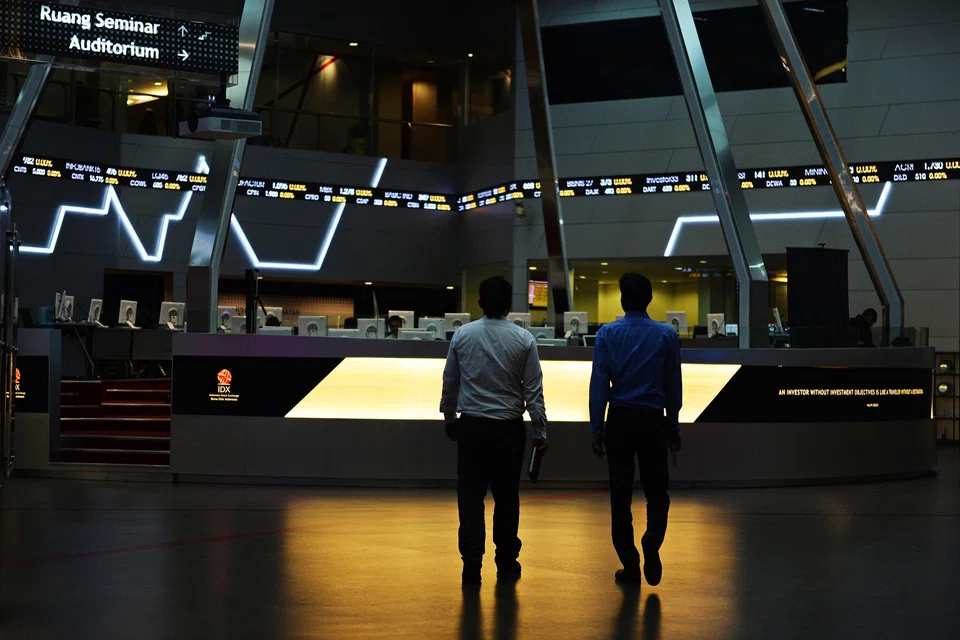
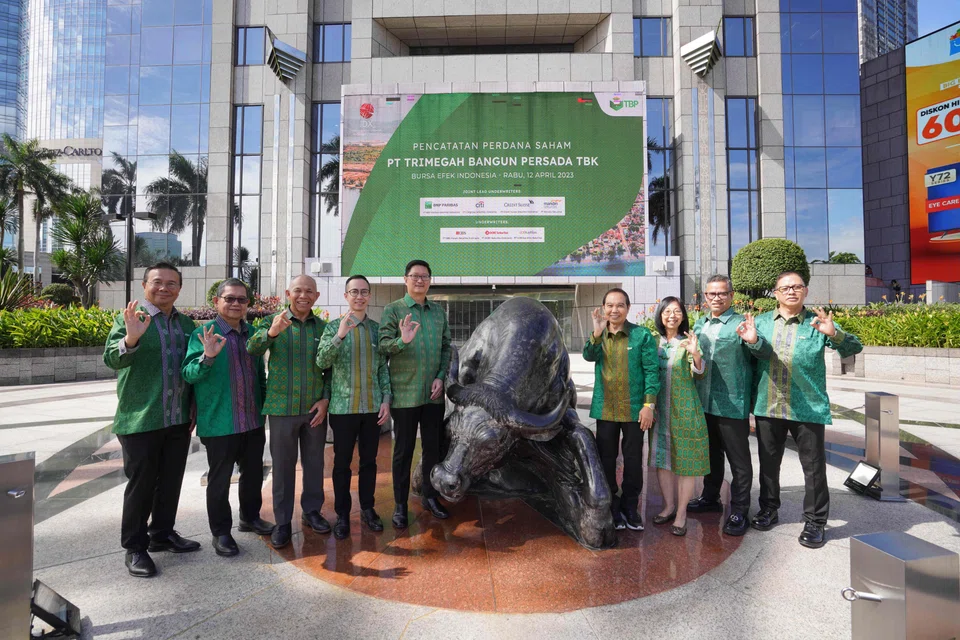
INDONESIA is the stock market to watch when it comes to initial public offerings (IPOs) in South-east Asia next year, market watchers said.
Thailand and Malaysia are also expected to see more IPO movements as Asean companies seek capital.
Asean’s largest markets – Singapore, Malaysia, Thailand, Indonesia and the Philippines – collectively had 159 listings as at Dec 19. These raised US$5.7 billion, according to Bloomberg data.
The amount raised fell short of the US$7.9 billion raised in 155 IPOs across the five countries in 2022.
Market watchers said many IPO issuers held off on their listings this year due to macroeconomic weakness.
“Potential IPO entrants in South-east Asia currently grapple with a multitude of challenges, including high levels of inflation, rising interest rates, persistent geopolitical tensions, depressed valuations and market volatility,” said Stephen Bates, partner and head of deal advisory at KPMG Singapore.
These issues were offset by pools of investors ready to invest in home-grown enterprises, said Robson Lee, partner at Kennedys Legal Solutions.
Given the tough backdrop, EY Asean and Singapore IPO leader Chan Yew Kiang thinks Asean exchanges performed commendably.
Interest in the IPO market in South-east Asia was driven by tighter liquidity, higher capital costs and the maturity of growth companies, he added.
Tham Tuck Seng, PwC Singapore capital markets leader, noted that markets in the region, especially Indonesia and Thailand, have “proven that they have enough depth to cater for larger-sized IPOs”.
The duo has surpassed Singapore as the top performing IPO market in South-east Asia for the last three years, with Indonesia surpassing even Hong Kong, he added.
“Key contributing factors include the region’s fast-expanding middle-class population, which has fuelled impressive consumption growth, and the growth seen among mineral and commodities producers,” said Tham.
Tan Mui Hui, Rajah & Tann’s deputy head of the capital markets practice, expects heightened activity in Asean’s IPO scene due to a relatively positive growth outlook for Asia, which is projected to outpace economies in Europe and Latin America.
Podium finishers
Indonesia had raised US$3.6 billion across 80 listings as at Dec 19, according to Bloomberg data.
Imelda Orbito, Deloitte Indonesia’s disruptive events advisory leader, believes Indonesia’s strong performance could have been aided by rising financial literacy and improved accessibility.
The introduction of four distinct trading boards to the Indonesia Stock Exchange (IDX) this year may also have helped, she said.
The best-performing sector for the country was energy and resources, which accounted for 82 per cent of Indonesia’s IPO funds as at Nov 15.
Indonesia has “set its sights” on becoming a major player in the electric vehicle supply chain, Orbito said.
Art Anuruk Karoonyavanich, DBS’ Singapore head of capital markets, called the energy transition trend a “major tailwind”.
“Indonesia witnessed a vibrant IPO market this year, underpinned by its green energy sector and key role in the global supply chain for electrification,” he said.
South-east Asia’s runner-up was Thailand, which continued to see listings from its consumer sector but lacked the “blockbuster” IPOs of 2022.
Companies raised over US$1.1 billion in IPOs on the Thai stock exchange, with 39 listings as at Dec 19. In comparison, just under US$4.1 billion was raised in 2022 with 44 listings.
Three of the top five IPOs in 2022 were from Thailand, raising over US$500 million apiece. This year, however, the country’s biggest listing – Samart Aviation Solutions – raised only US$88.6 million, Bloomberg data showed.
Deloitte said the interest rate environment and Thailand’s political stalemate may have catalysed the outflow of foreign funds – some US$4.8 billion in the first 10 months of 2023.
Still, Deloitte Thailand disruptive events advisory leader Wilasinee Krishnamra noted that the country managed to attract a diverse pool of listings, from consumer products to life sciences and healthcare.
There is also a healthy pipeline of companies waiting to list, she said.
Vineet Mishra, JPMorgan’s head of investment banking for South-east Asia, said issuance activity should improve next year now that the general elections are over, and consumer confidence and tourism recover.
Another country to watch is Malaysia, which saw significant activity on its Ace market for companies with growth prospects. According to Bursa Malaysia, there were 22 new Ace market listings in 2023, seven mainboard IPOs and one listing on the Leap market, which is limited to “sophisticated investors”.
Bloomberg data indicated Bursa Malaysia’s 30 newly listed companies had raised US$810.4 million.
Wong Kar Choon, Deloitte Malaysia disruptive events advisory leader, noted that the Ace market was more accommodating towards companies with good growth propositions. The lower ticket size of the offerings, meanwhile, has drawn a steady flow of investors.
“We observed that IPOs with reasonable valuations generated strong interest from the market, and a good majority continue to demonstrate decent post-IPO share price performance,” he added.
In search of deep pockets, better valuations
While South-east Asia as a whole had a generally robust performance, listings of several home-grown companies were lost to overseas markets.
Deloitte South-east Asia and Singapore disruptive events advisory leader Tay Hwee Ling said Asean’s bourses have to deal with the trend of companies listing overseas to access deeper capital markets and higher valuations.
“For quite a few companies, listing in the United States is attractive due to the US’ deeper pool of investors and liquidity,” she said.
Several Singapore companies have listed on Nasdaq and the New York Stock Exchange, while Indonesian logistics company J&T Express raised US$451 million on the Hong Kong Stock Exchange.
KPMG Singapore’s Bates, who is also head of transaction services, said regulators can continue to provide incentives to businesses seeking an IPO.
IDX, for one, is promoting the growth of small and medium-sized enterprises through the IDX incubator, which prepares these companies for a listing.
Disposal of unlisted shares through an IPO approved by Bursa Malaysia will also be one of the few exemptions to Malaysia’s upcoming capital gains tax that takes effect on Mar 1, 2024.

Said Bates: “Beyond such initiatives, the prospect of improved economic conditions, facilitated access to debt, stable equity markets and a reduction in valuation mismatches collectively serve as additional incentives for businesses contemplating the pathway to IPO.”
Despite home-grown companies choosing to list elsewhere, David Cameron Smail, UBS South-east Asia’s head of equity capital markets, said the Asean region fundamentally continues to be “an attractive structural growth story”.
He sees digitally enabled consumer companies with “paths to profitability” and infrastructure-related businesses with clear growth plans requiring capital as possible upcoming IPO candidates.
In a similar vein, EY’s Chan said: “IPO aspirants that can demonstrate a path to profitability, long-term value and sustainability considerations will be in a good position to capture investor interest.”