



Indonesia’s electric motorcycle market hits a speed bump following subsidy rollback
Electric motorcycle sales plunge 50% in the first half of 2025 following subsidy rollbacks this year

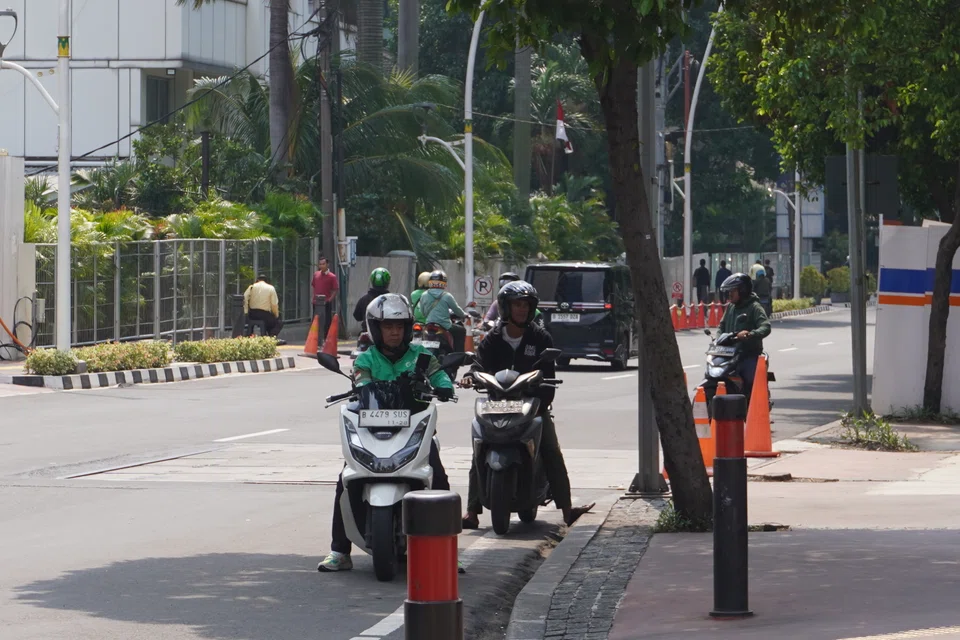
[JAKARTA] Indonesia’s electric motorcycle market faces headwinds from sluggish consumer spending and uncertainty over government incentives, raising concerns among industry players about the pace of adoption in South-east Asia’s largest vehicle market.
Slowing demand has dealt a heavy blow to motorcycle manufacturers, most of which are local players, Budi Setiyadi, chairman of the Indonesia Electric Motorcycle Association (Aismoli), told The Business Times.
“Many companies have scaled back production; and the ripple effects are wide, hitting not only manufacturers but also component suppliers – many of which are small and medium enterprises.”
Electric motorcycle retail sales fell 50 per cent in the first half of this year to around 12,000 units, as uncertainty over government subsidies and mounting economic pressures dampened consumer confidence, making it difficult for producers to plan purchases and production.
Indonesia’s two-wheeler subsidy programme, which ended late last year, accounted for roughly 90 per cent of electric motorcycle sales. The programme came in the form of a direct subsidy of seven million rupiah (S$548) for each purchase of a new electric motorcycle.
This subsidy typically covers about 20 to 35 per cent of the total price of a new unit, depending on the model. Before the subsidy, most mainstream models were priced between 15 million rupiah and 35 million rupiah.
Under President Prabowo Subianto, government subsidies for electric motorcycles have been redirected to other spending priorities, reducing financial support for buyers and slowing the pace of adoption.
Without subsidies and if weak demand continues, total sales for 2025 may reach only around 24,000 units, Budi warned, well below the government’s target of 200,000 units.
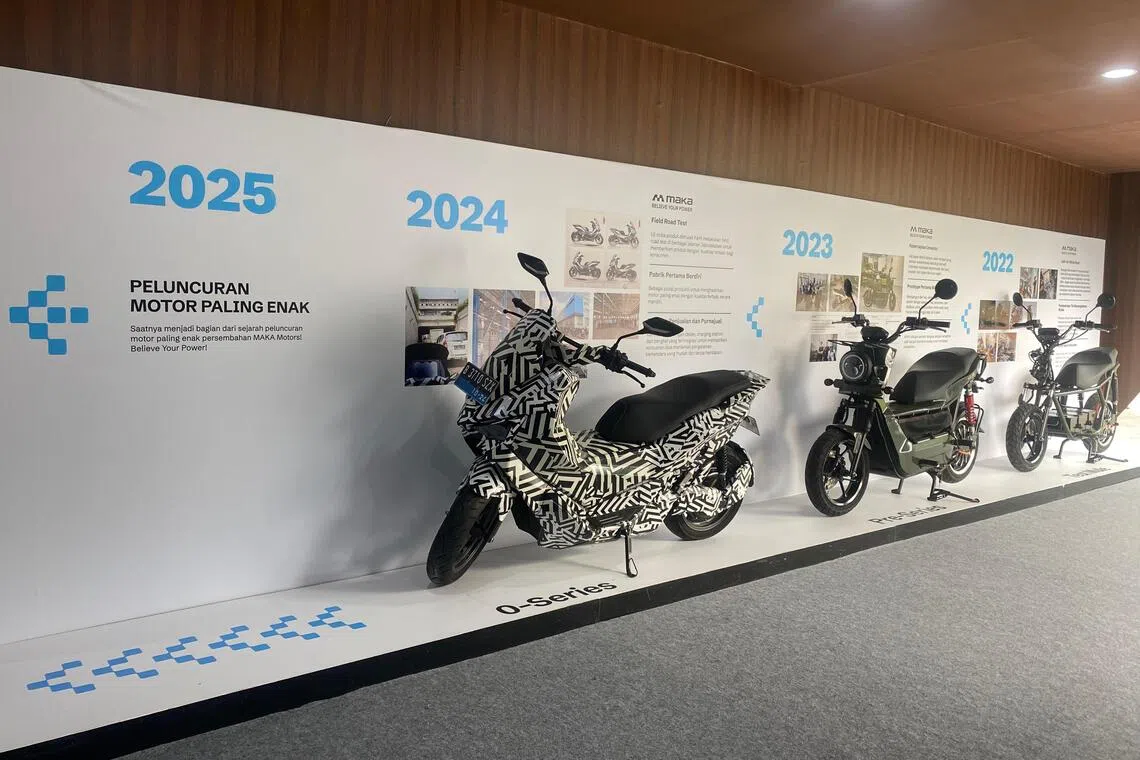
Slow to take off
Besides the lack of subsidies, other issues such as inadequate charging infrastructure, relatively high upfront costs, and limited consumer awareness are also a drag on demand, said Roy Purnomo, director at Fitch Ratings.
Many Indonesians rely on motorcycles for long-distance travel, particularly during peak periods such as the Eid holidays when millions travel to their hometowns, making range anxiety a major concern.
Currently, there are fewer than 2,000 charging and battery swap stations dedicated to electric motorcycles nationwide, most of which are concentrated in major metropolitan areas.
Resale value is another consideration, said Suwandi Wiratno, chairman of the Indonesia Multifinance Companies Association.
Most Indonesian consumers also purchase their vehicles through instalment plans, reflecting the country’s preference for affordable monthly payments. For a typical three-year financing scheme, monthly instalments generally range from around 500,000 rupiah to 1.5 million rupiah, depending on the vehicle model and down payment.
“The size of the down payment is especially crucial amid the current decline in consumer purchasing power,” Suwandi said. “If household incomes improve or purchasing power recovers, demand could pick up.”
Currently, electric vehicle financing in Indonesia accounts for only around 5 per cent of the total portfolio of multifinance companies.
B2B segment offers hope
Although retail sales have hit a bump, the business-to-business (B2B) segment remains a silver lining. The association noted that around 50 per cent of current sales are driven by businesses as manufacturers increasingly partner with logistics ride-hailing services, rental fleets, or logistic companies.
Local motorcycle manufacturer Gesits Motor Nusantara told BT that sales of its electric motorcycles to ride-hailing companies have shown promising growth.
Technology giant Goto is one of the leading companies investing heavily in electric vehicle fleets for its drivers. Since 2023, it has expanded its electric vehicle operations in Indonesia, notably through a partnership with Taiwanese battery-swapping firm Gogoro and the launch of its own electric motorbike brand, Electrum.
R A Koesoemohadiani, director of legal and group corporate secretary at Goto, said more than 6,500 monthly active Gojek driver-partners now use electric motorcycles, a threefold increase from the previous year. This number continues to grow.
Building confidence
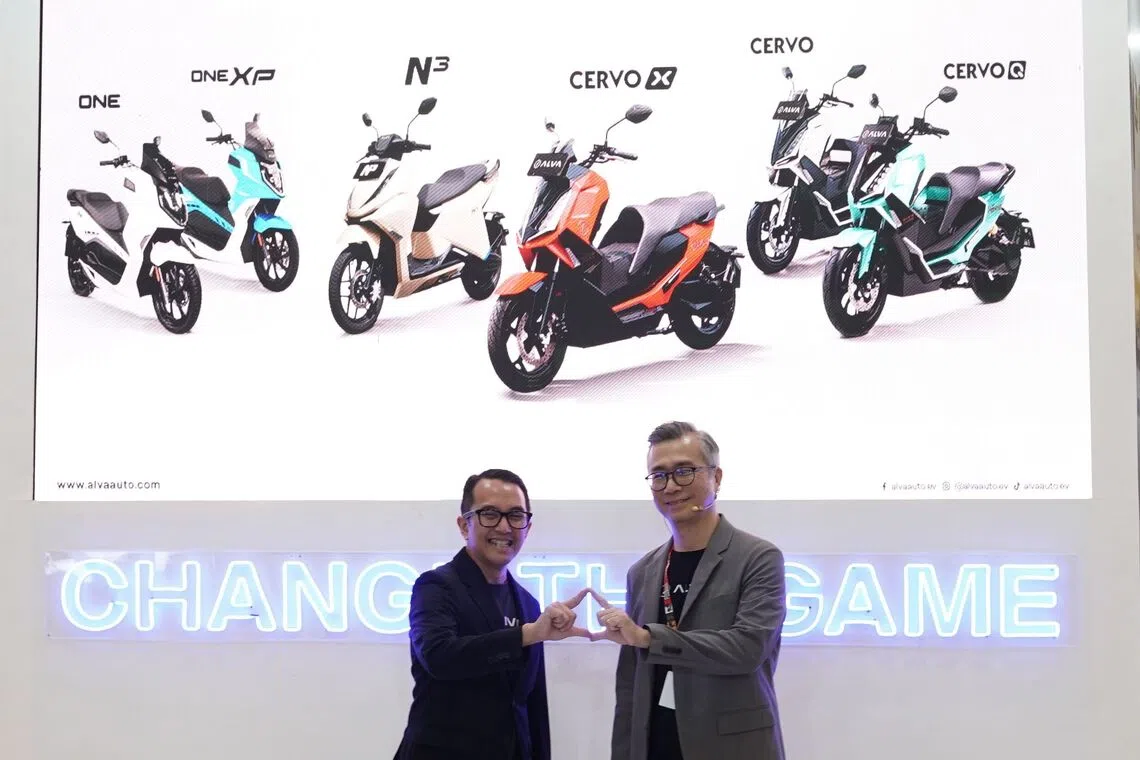
Manufacturers such as electric motorcycle manufacturer and mobility solution provider Alva remain confident that even without government subsidies, the long-term outlook for electric motorcycles remains promising.
The company is adjusting its strategy by introducing battery rental and rent-to-own schemes to lower upfront costs, making electric motorcycles more accessible to price-sensitive buyers. The company’s models, priced between 28 million rupiah and 45 million rupiah, are positioned in the premium segment.
Under the battery rental scheme, buyers pay around 20.5 million rupiah for the motorcycle and rent the battery separately for about 385,000 rupiah per month. The programme has been well received by consumers said Alva’s chief executive, Purbaja Pantja. “Whatever support is provided, we are grateful,” he said. “But the key is how we continue offering practical and affordable solutions for customers in the future.”
Discover how the EV journey is unfolding across South-east Asia in our interactive here.
Decoding Asia newsletter: your guide to navigating Asia in a new global order. Sign up here to get Decoding Asia newsletter. Delivered to your inbox. Free.
Copyright SPH Media. All rights reserved.






