



Indonesia’s Gojek founder Nadiem Makarim pleads not guilty in high-profile corruption case
Prosecutors demand an 18-year prison sentence and seek trillions of rupiah in restitution
 Add BT as a preferred source
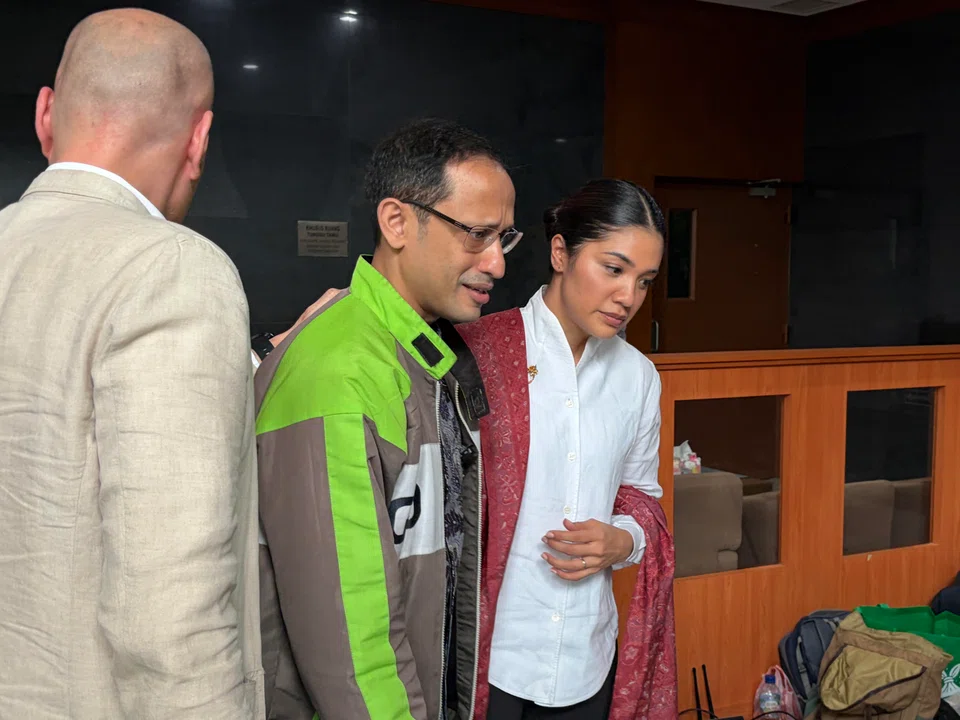
[JAKARTA] Indonesia’s former education minister and Gojek founder Nadiem Makarim pleaded not guilty on Tuesday (Jun 2) to corruption charges over a government Chromebook procurement programme, insisting that he was wrongly accused in a high-profile case closely watched by investors and the tech sector.
“I hope the panel can see that this is not a case of administrative error I was unaware of, or loss caused by negligence. This case has shocked many people, including me, because it is purely an investigative mistake,” said Nadiem, reading from a 13-page defence statement in Indonesian before the Central Jakarta District Court.
Dressed in a batik shirt with blue and grey motifs, Nadiem appeared calm as he challenged the prosecution’s case, arguing that it had failed to establish state losses, unlawful conduct, personal enrichment or criminal intent. He said the ministry’s adoption of Google’s Chrome operating system had saved the state 3.9 trillion rupiah (S$279.3 million) instead of causing losses.
“This is the central irony of this case: I face 27.5 years in prison for a policy that saved trillions in the state budget,” he said.
According to Nadiem, officials estimated that a Windows-only laptop programme would cost 148 million rupiah per school, while a dual Chrome-Windows model would reduce the cost to 98 million rupiah. “If I am found guilty, it means the state believes I should have chosen the far more expensive option,” he said.
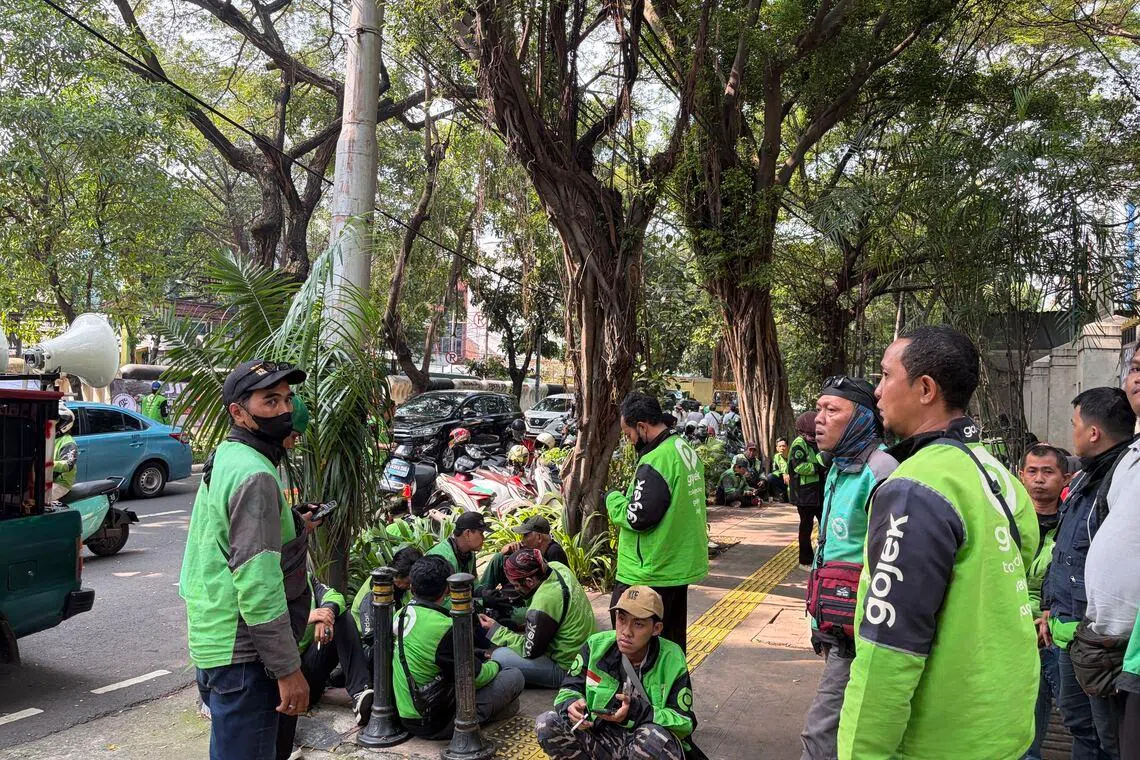
Tuesday’s hearing was attended by family members, friends and former colleagues, while hundreds of Gojek drivers gathered outside the court to show their support for the former minister and founder of the ride-hailing company.
He also argued that the Chromebook procurement process was handled at the technical level and was not a ministerial decision, which he described as “most striking”.
“I will say again: I agreed with the Chrome OS (operating system) policy because it demonstrably saved budget, but as a matter of administrative law, this was not a ministerial decision,” he continued.
The corruption case stems from the education ministry’s procurement of more than one million of Google’s Chromebook laptops during the Covid-19 pandemic as part of a broader effort to digitalise schools across Indonesia.


Prosecutors allege that Nadiem and several former ministry officials steered the programme towards Google’s Chrome operating system despite internal studies initially recommending Windows-based devices.
Prosecutors allege that the decision caused state losses of more than 2.18 trillion rupiah, citing what they say were inflated laptop prices and unnecessary spending on Chrome Device Management licences.
Last month, prosecutors demanded an 18-year prison sentence for Nadiem and sought trillions of rupiah in restitution, accusing him of abusing his authority and creating a conflict of interest due to Google’s investment in Gojek, the ride-hailing company he founded before joining former president Joko Widodo’s Cabinet in 2019.
The former minister denied allegations that he benefited from the procurement through his previous links to Gojek and Google, saying Google never participated in the Chromebook procurement and that its investment in Gojek was unrelated to the education programme.
He remarked: “Google’s investment in Gojek and the Chromebook procurement are two separate, unrelated events. Yet the charges forced a connection between them.”
He added: “The majority of Google’s investment in Gojek had already been made before I became minister, alongside dozens of other investors who also injected funds. Google was a small part of the total investment raised.
In the business world, an investment is not a gift that creates an obligation to repay through other means. Investors buy new shares, the company receives capital, existing shareholders are diluted. There is no debt, no quid pro quo, no obligation to reciprocate.”
Nadiem said he gave up all voting rights and roles at GoTo – the parent company of Gojek – which is listed on the Indonesian stock exchange, when he became minister, reducing his stake to that of a regular shareholder. As he no longer exercised control over the company, allegations of a conflict of interest were unfounded, he argued.
The former minister became emotional during the hearing as he recounted his nearly nine months in detention, his separation from his family and his recovery from multiple surgeries.
The 41-year-old entrepreneur has been under home detention since May 12 after the court granted him permission to undergo medical treatment following health complications that required surgery.
Speaking to the judges, Nadiem said his condition was improving following the surgery and that he was focused on completing the legal process.
The court is expected to deliver its final verdict next week.
Decoding Asia newsletter: your guide to navigating Asia in a new global order. Sign up here to get Decoding Asia newsletter. Delivered to your inbox. Free.
Copyright SPH Media. All rights reserved.
TRENDING NOW

‘Capital guaranteed’ label for investment-linked policies misleading: MAS, Life Insurance Association

Rising land bids push new condo prices into focus – will S$3,000 psf be a new normal?

Battle for Asia’s ultra-rich: ‘Singapore can’t afford to keep losing clients to Dubai, Hong Kong’

DBS, OCBC at fresh highs as Singapore banks lead STI gains

