



Indonesia’s new capital Nusantara set to face first major test
Construction delays and funding challenges in the country’s new capital city have forced a scale-back of the Aug 17 Independence Day celebrations

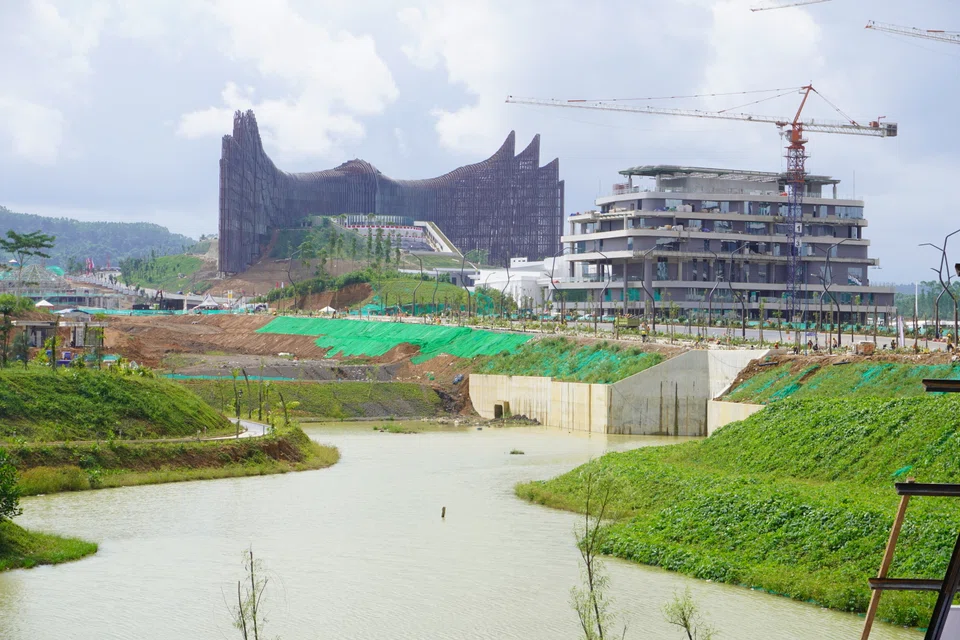
[BALIKPAPAN, EAST KALIMANTAN] Despite delays and funding woes, Indonesia’s new capital Nusantara is near the end of its first phase of development, with visible – though limited – progress made in the building of homes, the presidential palace and a key highway linking the capital to Balikpapan, a nearby major city.
This is the state of play as the nation prepares for its first major event there – this weekend’s 79th Independence Day celebrations, which coincides with the inauguration of the capital taking over from Jakarta as the new seat of government.
The capital, located in the Indonesian province of East Kalimantan on the island of Borneo, is known in full as Ibu Kota Nusantara (IKN) in Bahasa Indonesia.
Highlighting the challenges and, to some extent, the over-ambition in building a capital city from scratch in a remote location, Indonesia has sharply scaled back its Aug 17 Independence Day celebrations there because of food and accommodation issues.
President Joko Widodo – who pushed for the project and wants the festivities held there before he leaves office in October – said on Wednesday (Aug 14) that the guest list has been cut back a third time, from 8,000 to just 1,300.
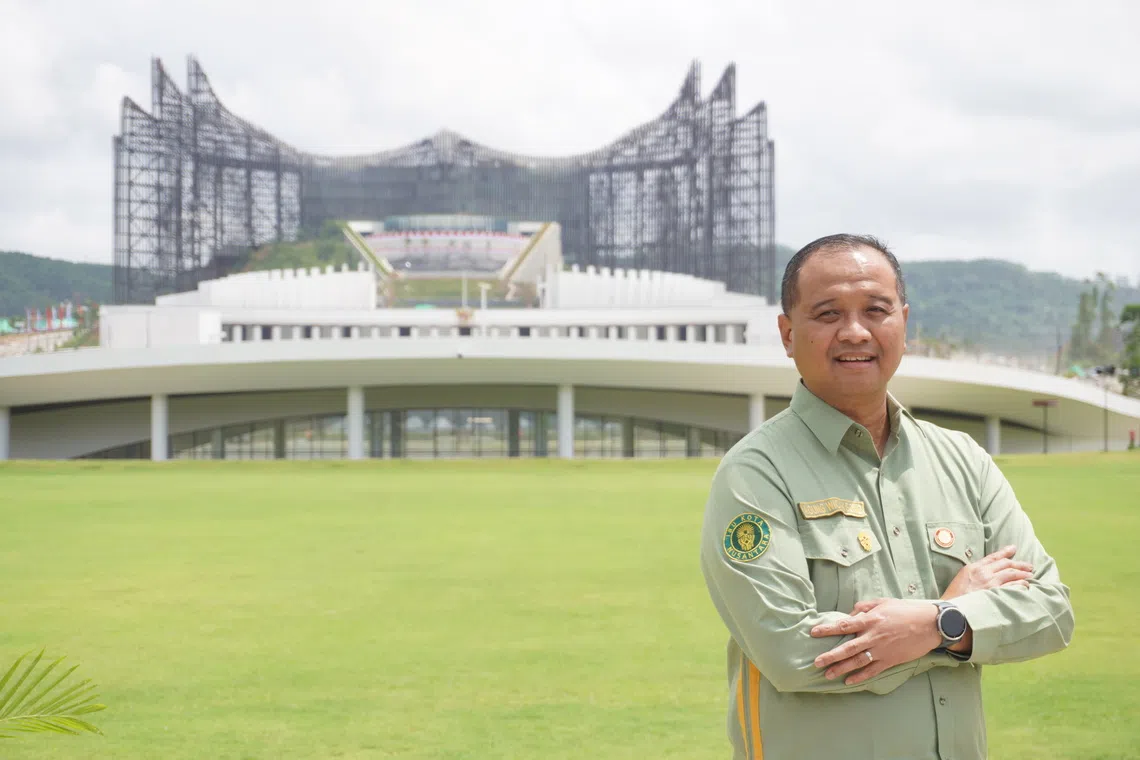
During a recent media tour, Danis Sumadilaga, head of the Nusantara development task force, reported that basic infrastructure for the 256,000-hectare (ha) mega-project, including dams, toll roads and Cabinet office complexes, was about 95 per cent complete.
“We expect everything to be ready by the end of this year,” he said of the project’s first phase that began in 2022.
The highway connecting Nusantara to Balikpapan is on track to be operational by Saturday – Independence Day itself.
But several other major infrastructure projects, including the so-called VVIP airport, are still experiencing significant delays from the heavy rains that have wrecked construction schedules.
The Business Times noted that the presidential palace – the capital’s centrepiece – was already partially operational. Widodo moved in at the end of July, even as extensive construction was ongoing outside the building.
The Garuda Palace, as it is known, sits on a 55.7 ha site and features the majestic wings of the Garuda, a mythical bird symbolising Indonesia’s unity and strength.
Possible delay in relocating civil servants
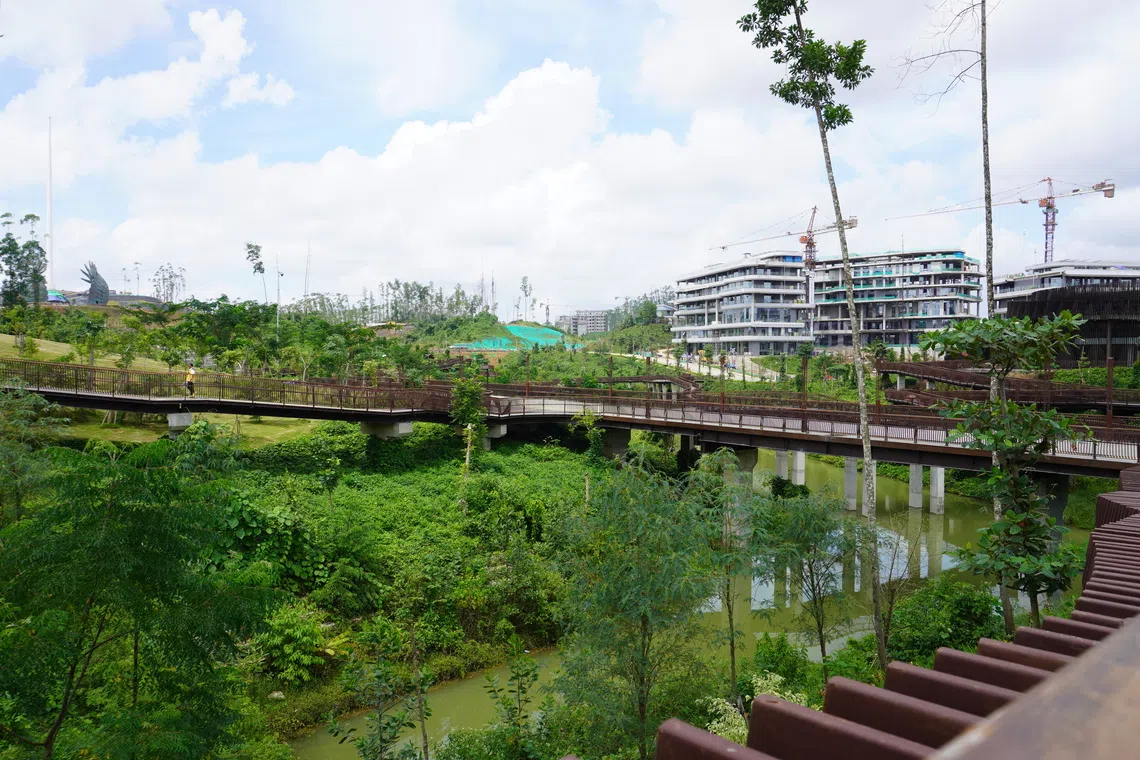
The government has said it plans to develop Nusantara as an eco-friendly urban environment that blends urban expansion with environmental conservation.
Construction will take place over five stages, with the project expected to be completed by 2045 – the year Indonesia celebrates its centennial.
Phase 1 entailed the development of 47 apartment towers, comprising nearly 3,000 residential units for around 10,000 people. So far, 29 towers are up, including 12 that are fully furnished and ready to take in civil servants, said Sumadilaga.
The Indonesian government had originally planned to move more than 10,000 civil servants to Nusantara next month, but Widodo indicated on Wednesday that this relocation from Jakarta may be delayed.
“Once again, we don’t want to rush. The plan is still set for September, but we need to assess the readiness (of the accommodation). If it’s not ready, we’ll postpone it. We don’t want to proceed with something that isn’t prepared,” he was quoted as having said by online news portal Detik.

Non-existent foreign investment
The project has faced significant funding challenges, and investments from external sources have been slow to come. To speed things along, Widodo set up a task force and appointed the minister of investment to lead the effort.
Estimated to cost US$32 billion, the project was to have been primarily financed by private investors, both domestic and international. The government, by law, can pick up only around a fifth of the tab.
The government has already committed 85 trillion rupiah (S$7.1 billion) from the national budget, but private-sector contributions are falling significantly short of expectations.
Official data reveals that domestic private investment has totalled just 56.2 trillion rupiah, well short of the 100-trillion-rupiah target set by the government for this year.
This investment is spread across 55 projects now being developed; these include hotels, hospitals, education centres, shopping malls and logistics hubs.
No foreign direct investment has been reported to date.
Agung Wicaksono, deputy head of planning and investment at the Nusantara Capital City Authority, said talks are underway with foreign companies to secure up to US$2 billion for projects in, for example, housing and smart-city technologies, through public-private partnerships.
The authority has received 475 letters of intent from foreign investors, with potential investments totalling 445 trillion rupiah. But actual investment realisation has been slow.
“The Nusantara project attracts companies around the world, but we have to really evaluate these interests. Therefore, it takes a longer process to accept these interests,” he said.
Celebration rush
Widodo is set to deliver his final address as the nation’s leader on Saturday.
Some 1,300 state guests, including ambassadors from various countries, are expected to travel to East Kalimantan for the festivities. The influx of guests has triggered a surge in demand for accommodation and flights to and from Balikpapan.
Aldo Situmorang, general manager of the new Swissotel Nusantara, told BT that the hotel is already fully booked. Rates start at 3.5 million rupiah a night for standard rooms, and go all the way to 35 million rupiah a night for the presidential suite.
The Sepinggan Airport in Balikpapan, set to become a main gateway to Nusantara, has received 51 requests for additional flight schedules from four airlines. Passenger volumes are expected to rise by up to 20 per cent ahead of this weekend’s festivities.
The project must go on
Concerns have been voiced about the sustainability of the project, given the funding issues and doubts about the government’s ability to commit sufficient resources in the coming years.
This week, President-elect Prabowo Subianto, set to be sworn in at Nusantara on Oct 20, reiterated his commitment to advancing the construction and meeting deadlines.
“I am determined to continue and, if possible, complete the development of IKN,” he said on Monday. He acknowledged the challenges, but expressed confidence that the new capital would fulfil its role in the next few years.






