


Asean Business logo
SPONSORED BYUOB logo

Indonesia’s new FX lock-up rule could tilt the field – supercharge state banks, squeeze private lenders

Starting Jan 1, exporters of coal, palm oil and nickel must keep all export proceeds in state-owned banks for at least a year

Summarise
Elisa Valenta
Published Fri, Dec 12, 2025 · 10:42 AM
    • South-east Asia’s largest economy is grappling with rupiah volatility driven by persistent current account deficits and capital outflows.
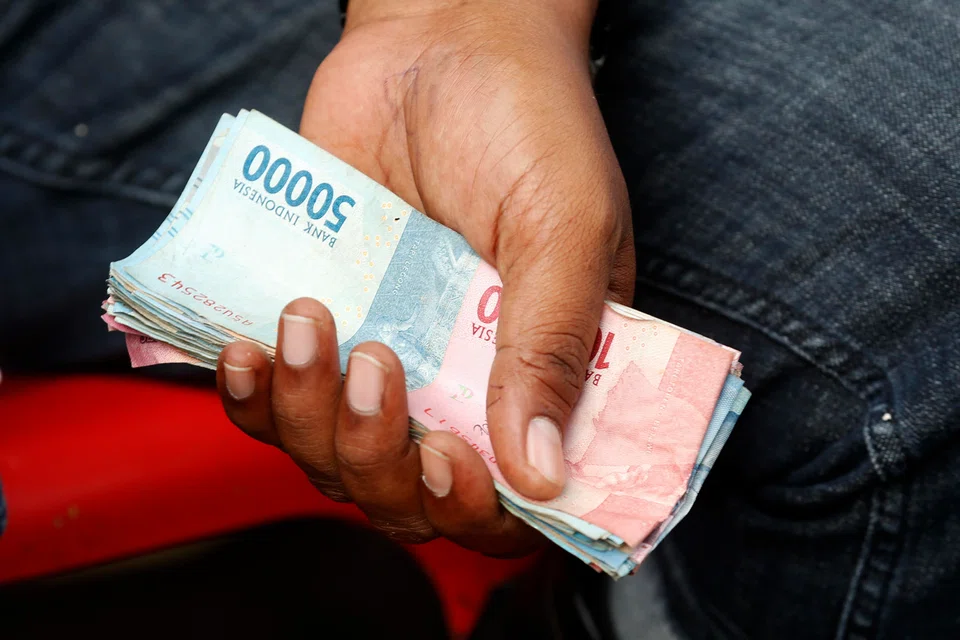
    • South-east Asia’s largest economy is grappling with rupiah volatility driven by persistent current account deficits and capital outflows. PHOTO: EPA

    [JAKARTA] Indonesia’s latest plan to compel commodity exporters to park foreign-currency earnings exclusively in state-owned banks is raising alarm, with analysts saying the sweeping measure risks being viewed as a “soft capital control”.

    The latest measure, which experts say is the clearest shift yet towards a more government-directed management of Indonesia’s foreign exchange (FX) resources, could also have far-reaching consequences for the country’s banking sector, especially its state lenders.

    Beginning Jan 1, exporters of commodities such as coal, palm oil and nickel will be required to retain 100 per cent of their export proceeds in state-owned banks for at least one year.


    They will also face a new cap that limits the conversion of export earnings into rupiah to just 50 per cent, down from the current 100 per cent allowance.

    The new rules are meant to plug the gaps that have allowed companies to move their funds abroad despite a requirement to keep them onshore for a year, as well as to support the waning rupiah.

    But economists warn that the centralisation of FX resources in state-owned banks could potentially distort price signals and raise concerns about long-term policy direction.

    The rule represents “a shift to direct state control for reserve build-up”, reflecting the government’s push to centralise dollar liquidity in the domestic system after earlier reforms achieved only limited impact, wrote Suryaputra Wijaksana, analyst at UOB Kay Hian.

    He warned that the move could heighten market anxiety at a time when foreign participation in domestic bonds is already at historic lows.

    Keeping the rupiah afloat

    The January 2026 plan is the second revision to the rules, following the policy introduced in March that required exporters in major resource sectors to keep all overseas earnings onshore for a year – a move officials expect would add about US$80 billion to FX reserves.

    However, the impact has been modest, with outflows continuing and Bank Indonesia’s reserves showing a slight decline.

    South-east Asia’s largest economy is grappling with rupiah volatility driven by persistent current account deficits and capital outflows.

    The currency has been one of the region’s worst performers this year, weakening more than 3 per cent against the US dollar year to date, while most other Asian currencies have gained.

    Finance ministry officials earlier this week said the change aims to keep export earnings onshore and prevent the practice of converting rupiah back into foreign currency to place deposits abroad.

    The government hoped the adjusted policy can lift onshore dollar liquidity and reduce pressure on the currency.

    Febrio Kacaribu, head of the ministry’s fiscal policy office, said: “The goal is to make sure export earnings really effectively increase US dollar supply here.”

    But analysts cautioned that the fundamental weaknesses weighing on the rupiah remain unaddressed.

    Wijaksana, citing Indonesia’s widening imports, fiscal concerns that have spurred portfolio outflows, said: “The revision may temporarily increase forex within the system, but it does not resolve the structural imbalances driving the currency.”

    Liquidity dilemma

    The new rule could reshape liquidity dynamics in the banking sector.

    State lenders such as Bank Mandiri, Bank Rakyat Indonesia and Bank Tabungan Negara are poised to receive a substantial inflow of low-cost foreign-currency deposits, cementing their role as the country’s primary FX intermediaries.

    The government also plans to issue foreign-currency bonds as a new option for placing export proceeds, with state-owned banks and exporters able to buy a minimum of US$1 million and receive tax incentives.

    This liquidity boost could strengthen their near-term balance sheets, say analysts.

    However, they noted that state banks will also shoulder higher interest obligations on the mandatory deposits, especially as they continue offering competitive US dollar rates to high-net-worth clients. Over time, this could pressure margins and profitability.

    Meanwhile, privately owned banks are expected to bear the brunt of the impact.

    While foreign banks, with their access to global funding networks, are expected to be largely insulated, the broader effect could be a more fragmented, less competitive domestic banking landscape.

    David Sumual, chief economist at Bank Central Asia, warned that barring exporters from placing funds in private institutions will likely tighten FX funding across the sector, raise funding costs and constrain banks’ ability to support trade finance and corporate lending.

    “Investors may perceive this as an anti-market policy, and ultimately they could worry it will lead to foreign-exchange restrictions,” he said.

    The rule change comes as Indonesia’s current account is expected to worsen in the fourth quarter, with the commodity trade surplus already narrowing in October due to slowing mining exports.

    Helmi Arman, chief economist for Indonesia at Citibank, cautioned that seasonal year-end dollar demand could further reduce interbank FX supply by around US$2 billion a month from January – a gap Bank Indonesia may need to fill through FX interventions, potentially drawing on borrowed reserves.

    Indonesia’s commodity exporters may also face cash-flow pressure if the rule is implemented. The Indonesian Palm Oil Association has asked the finance ministry to review the proposed changes.


