



Indonesia’s nickel ambitions face sustainability scrutiny after European giants’ exit
Environmental concerns over the country’s booming nickel sector have re-emerged, now that BASF and Eramet have pulled out of a multibillion-dollar project

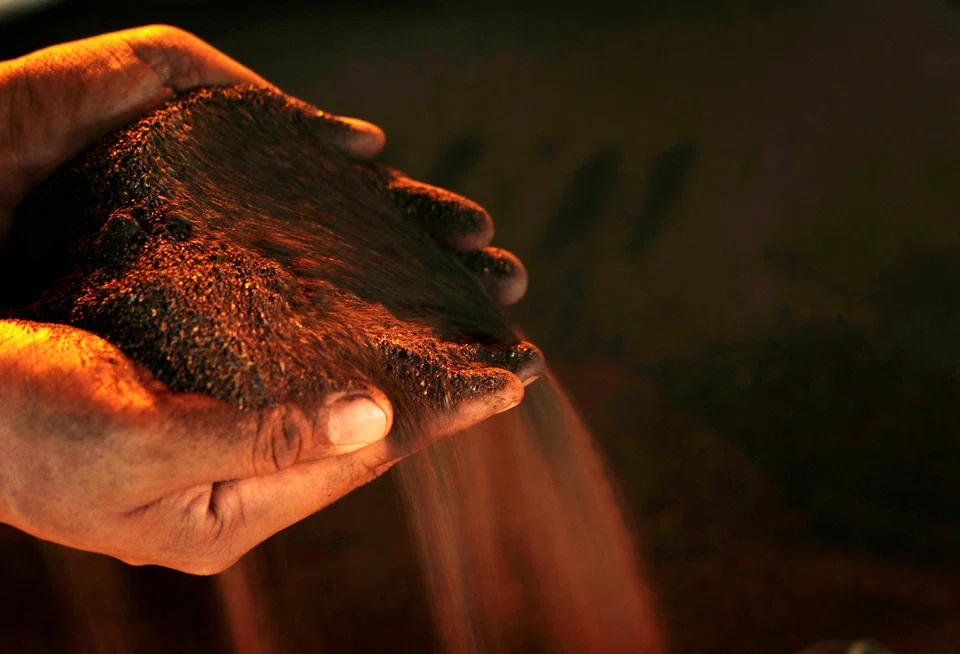
[JAKARTA] Indonesia’s ambitious push in the global electric vehicle (EV) race faces significant hurdles, as calls for enhanced sustainability intensify in the booming nickel sector and its downstream activities.
This comes after Germany’s BASF and France’s Eramet recently ditched plans for a US$2.6 billion nickel-and-cobalt refinery project named Sonic Bay in Halmahera, a nickel-rich island in eastern Indonesia. The withdrawals have cast a spotlight on sustainability gaps in the supply chain of the world’s largest nickel producer.
Komaidi Notonegoro, executive director of the Jakarta-based ReforMiner Institute, said there are indications that Europe’s chemical and mining giants withdrew from the project due to tightened regulatory changes in the European Union, following new due-diligence regulations.
“It is logical to demand sustainability in nickel downstream projects, as there are high expectations that nickel will drive a successful energy transition, while improving environmental outcomes,” he told The Business Times.
The Sonic Bay project faced criticism, with local media reporting that the mine supplying it threatens the forest home of an isolated indigenous tribe in Halmahera.
Neither company cited the threat to the tribe when announcing their withdrawal from the project; instead, they attributed their decision to changing supply dynamics.
The Sonic Bay project was to entail the building of a refinery that would produce about 67,000 tonnes of nickel and 7,500 tonnes of cobalt annually.
These essential metals, crucial for EV batteries, were to be procured from the nearby Weda Bay Nickel mine, which is the world’s largest. Eramet has a minority ownership there.
Kompas, Indonesia’s leading media outlet, reported that Investment Minister Bahlil Lahadalia attributed the cancellation of the multibillion-dollar project to significant changes in the nickel market, particularly the surplus supply of raw materials for EV batteries and the resulting inefficiencies.
Bhima Adhinegara, executive director of the Center of Economic and Law Studies, said it is imperative that the Indonesian government enhance the management of all nickel downstream activities.
Sonic Bay was to have been Indonesia’s first nickel plant with 100 per cent European ownership – notable in an industry where investments have so far been dominated by Chinese companies.
Indonesia’s nickel projects have been frequently involved in serious incidents, particularly related to worker safety and environmental concerns. There have been several deadly incidents at Chinese-funded nickel smelters in Indonesia, particularly on Sulawesi island, where nickel mining operations have expanded rapidly in recent years.
In December last year, an explosion and fire at a smelting furnace in the Indonesia Morowali Industrial Park killed 21 workers and injured 39 others.
“This is a critical moment. There should be no more workplace accidents, especially those resulting in worker fatalities,” he said.
Inadequate sustainability standards and practices could diminish Indonesia’s appeal to foreign investors, particularly those from developed countries who might seek alternative suppliers such as Australia.
“Therefore, Indonesia must prioritise sustainability concerns to attract investments in advanced downstream processing,” Adhinegara emphasised.
Moving on to woo new investors
Following the project cancellation, Indonesia is actively seeking new investors for the high-pressure, acid leach-based nickel project. Minister of Energy and Mineral Resources Arifin Tasrif confirmed that the building of the smelter would continue, possibly with a new project name and new partners.
Bloomberg reported that Eramet is exploring a partnership with Chinese Zhejiang Huayou Cobalt to produce battery-grade nickel in Weda Bay Industrial Park in Sulawesi.
ReforMiner’s Notonegoro stressed that BASF and Eramet’s exit is unlikely to deter other companies from investing in Indonesia’s lucrative nickel industry, especially given the numerous nickel smelters already in operation.
“I think Indonesia’s nickel continues to appeal to investors, especially from China, but the profitability might not reach the heights seen during the initial nickel boom, given the current lower prices,” he remarked.
Indonesia produces nearly half the world’s nickel – about 40.2 per cent in 2023, according to S&P Global Market Intelligence data.
The country’s dominance in nickel production is poised to grow, as incoming president Prabowo Subianto, who takes office in October, plans to implement an aggressive nickel downstream policy to achieve his ambitious 8 per cent economic growth target.
Indonesia is expected to ramp up nickel production this year, potentially amplifying the global decline in nickel prices, said BMI, a Fitch Solutions unit.
It added that this year, the surplus in the global nickel market could rise by 21 per cent from 2023 levels to 253 kilo tonnes.
This surplus is largely attributed to Indonesia’s expanded production of nickel pig iron and intermediate nickel products, driven by increased investments in the nickel sector following the 2020 nickel ore export ban.
In the first quarter of 2024, the country’s refined nickel production surged by 25 per cent to 383 kilo tonnes from the year before. BMI anticipates a 17 per cent annual growth rate in nickel production for 2024.
South-east Asia’s largest economy is not alone in grappling with production and environmental concerns as the global focus on sustainability intensifies.
This shift is driving demand for more sustainably produced nickel, affecting markets beyond Indonesia, including those in the Philippines and Australia.
TRENDING NOW

Two Singapore-listed palm oil firms named in Greenpeace report on Indonesian plantation fires
Singapore Airlines flight returns to San Francisco after ‘unruly’ passenger incident

Singapore looking into which companies responsible for haze-causing fires: PM Wong
Deluge IPO 3.86 times subscribed ahead of SGX debut

