Indonesia’s palm oil export demand cools as Middle East conflict lifts freight, insurance costs
A slower pace of shipments can result in a stock build-up in the South-east Asian nation: Indonesian Palm Oil Association
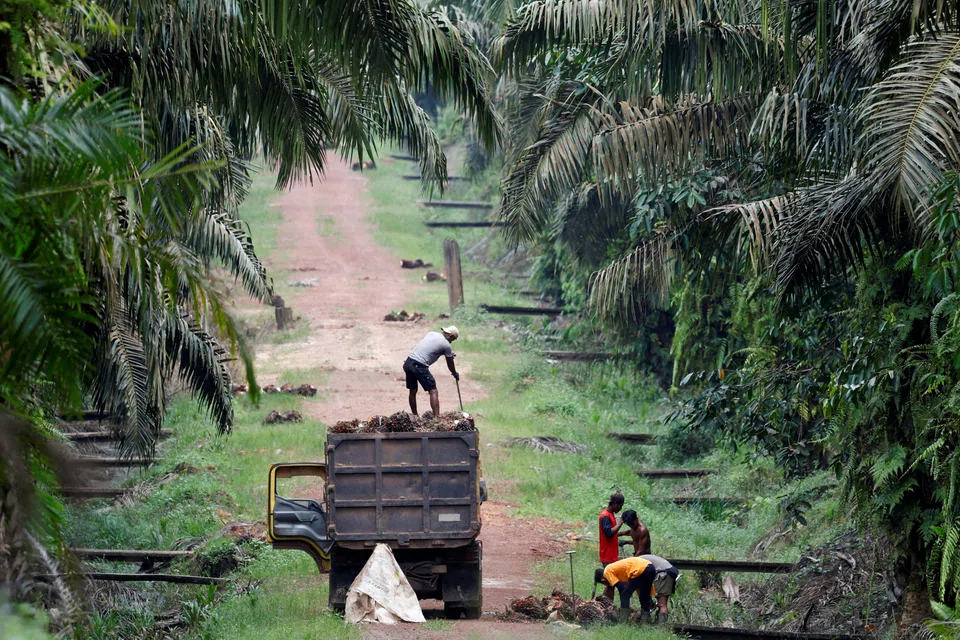
[JAKARTA] Export orders for new shipments of palm oil have moderated after the US-Israel war with Iran drove up logistics and insurance costs, the Indonesian Palm Oil Association (Gapki) said on Wednesday (Mar 11).
Indonesia is the world’s largest exporter of palm oil, which is used in food, cosmetics and cleaning products.
The oil accounts for more than half of global vegetable-oil shipments and is widely consumed in emerging markets such as India.
Gapki chairman Eddy Martono said shipping and insurance costs rose by 50 per cent after the war broke out, as the ships were forced to take a longer route – while insurance costs increased due to conflict-related risks.
“There has been a slight decrease in demand... because costs have increased. We are now fulfilling the contracts we have signed.” he told reporters.
Despite the ongoing exports, he said a slower pace of shipments could result in a stock build-up in Indonesia, which could put pressure on the prices of palm oil.
He added that Gapki had no estimates yet on the extent of the export decline, but some indications of a downturn were present. He added an estimate could be available at the end of March.
Indonesia shipped 1.8 million tonnes of palm oil to the Middle East in 2025, translating to about 5 per cent of the country’s palm oil exports, he said.
Meanwhile, the demand from top buyers India and China was also lacking, as the edible oil stocks in both markets appeared stable, he noted.

The prices of palm oil have risen more than rival soy oil and sunflower oil since the conflict began, erasing its price advantage, said a New Delhi-based dealer with a global trade house.
“The landed cost of palm oil in India was nearly US$100 a tonne lower than soy oil just a month ago. Now it is only about US$30 cheaper. For European buyers, palm oil is more expensive than soy oil because of higher freight,” they said. REUTERS
Decoding Asia newsletter: your guide to navigating Asia in a new global order. Sign up here to get Decoding Asia newsletter. Delivered to your inbox. Free.
Share with us your feedback on BT's products and services