



Indonesia’s Pertamina eyes more US crude oil amid trade negotiations and tariff uncertainty
State energy giant is considering redirecting part of its existing supply away from traditional partners in the Middle East and Asia towards US producers

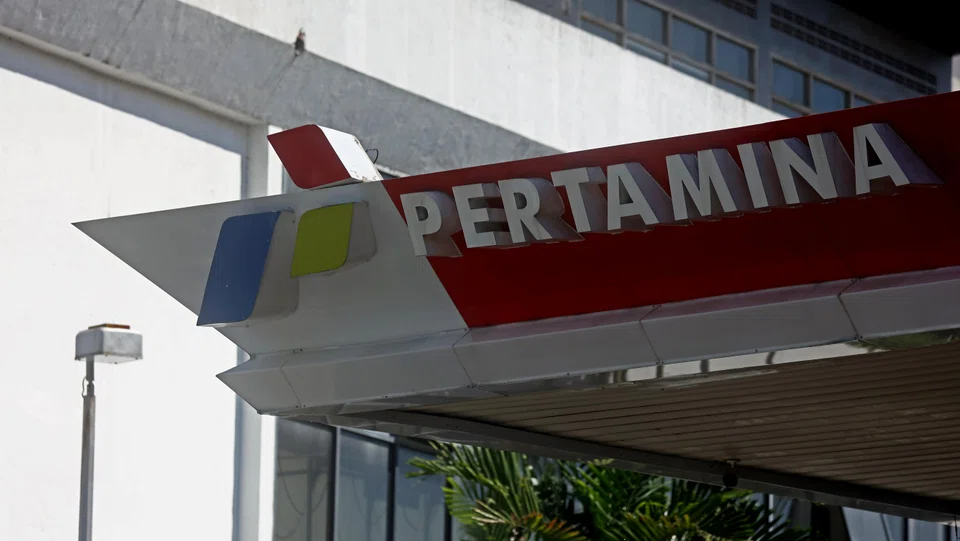
[JAKARTA] Indonesian state energy giant Pertamina is exploring the possibility of sourcing more crude oil from the US, in a move that comes amid ongoing trade negotiations and tariff uncertainty between Jakarta and Washington.
Bagus Agung Rahadiansyah, senior vice-president of corporate finance at Pertamina, said that the company is not aiming to increase its overall oil imports, but is considering redirecting part of its existing supply away from traditional partners in the Middle East and Asia towards US producers.
However, no timeline has been set for the potential shift, and discussions with the government are still underway.
“With that shift, there’s a possibility that we’ll need additional US dollar support, given that the domestic supply of dollars is quite limited. We’ve discussed this carefully with the government, as this import shift aligns with broader policy directions,” he said during a panel session at a Fitch Ratings event in Jakarta on Wednesday (May 7).
He said that if the import rerouting goes ahead, it could lead to additional costs for the company due to longer shipping distances compared with traditional routes. Nonetheless, Rahadiansyah stressed that Pertamina’s main focus is to maintain a stable domestic supply and prevent any shortages.
The move could serve as a strategic lever in trade talks, allowing Indonesia to offer increased energy purchases as a balancing gesture while seeking relief from looming tariff hikes.
Indonesia was hit with a 32 per cent tariff by US President Donald Trump, but this has been temporarily suspended in favour of a 10 per cent baseline tariff, pending the outcome of ongoing discussions between Jakarta and Washington.
Indonesia has pledged to help narrow its trade imbalance with the US, which reached a surplus of US$10.5 billion in the first quarter of this year. As part of that effort, the country has committed to increasing its purchases of US-made goods, particularly in the energy sector.
While the US plays a role in Indonesia’s crude oil imports, it is far from the country’s main supplier. Each year, Indonesia sources most of its crude oil from Saudi Arabia, which supplies 735,000 tonnes valued at US$439 million.

Angola ranks as the second-largest supplier, delivering 618,300 tonnes worth US$350 million. By contrast, the US contributed a relatively modest 214,000 tonnes last year, valued at US$139 million, according to data from Statistics Indonesia.
Demand hit
Indonesia could face significant long-term consequences if the anticipated tariff hikes persist longer than expected without a resolution. Rahadiansyah emphasised that this could eventually lead to a reduction in demand, particularly from industries that depend on products for industrial fuel. “If these sectors struggle to access export markets or face a decline in exports, fuel demand will decline eventually,” said Rahadiansyah.
Felita, director of Asia-Pacific corporates at Fitch Ratings, stated that US tariffs will have a direct impact, particularly on export demand and the competitiveness of Indonesian goods in the US market. This will primarily affect industries where the US is a key export destination, including electronics, electrical goods, footwear, textiles, apparel, furniture and seafood.
Many of these sectors, such as footwear, textiles and furniture, are labour intensive. As a result, a decline in demand could lead to job losses and broader employment challenges.
The issue is compounded by the potential volatility of the rupiah. Felita said: “If this trend continues, certain sectors and bond issuers could face increased pressure – especially those with significant mismatches between their earnings and their costs or US-dollar-denominated borrowing.”
Decoding Asia newsletter: your guide to navigating Asia in a new global order. Sign up here to get Decoding Asia newsletter. Delivered to your inbox. Free.
Copyright SPH Media. All rights reserved.
TRENDING NOW

Government to bring forward raising of retirement age, give employers more financial support to create flexi-load jobs
If Europe goes to war, the fallout will be felt in East Asia

Former minister Maliki Osman, Revolut chairman join Asia Gulf Holdings advisory board

Small nuclear reactors could boost the Asean Power Grid: GE Vernova executive

