Indonesia’s Q1 GDP growth hits 5.11%, surpassing expectations
Election season and Ramadan-related expenses drive growth over the period

[JAKARTA] Spurred by robust domestic spending during the election season, and despite waning exports, Indonesia’s economy surged ahead in the first quarter of this year, surpassing expectations and recording the highest Q1 growth in five years.
Based on data released by the country’s statistics agency on Monday (May 6), the South-east Asian economic powerhouse’s gross domestic product (GDP) expanded by 5.11 per cent in the three months to March 2024, compared with the corresponding period a year earlier.
Growth in the period under review also outpaced the 5.04 per cent growth in the preceding quarter.
“It was the highest economic growth in the first quarter throughout the period 2019 to 2024,” the acting head of the statistics bureau, Amalia Adininggar, told a press conference.
A Bloomberg poll of analysts had earlier anticipated a 5.09 per cent year-on-year increase.
Household consumption, which accounts for more than 54 per cent of total GDP, grew by 4.91 per cent on a quarterly basis. This was supported by accelerated government spending earlier in the year, especially on election agendas and social assistance disbursements.
The world’s most populous Muslim-majority nation also saw an uptick in consumer spending during Ramadan, Adininggar said, as companies were required to provide their employees with holiday bonuses.
This resulted in the highest monthly expenditure in the year so far, with the communication and transportation sectors the biggest beneficiaries.
Investment, which is the second-largest contributor to GDP, grew by 3.79 per cent, bolstered by rising investor interest in the manufacturing and mining industries.
Meanwhile, exports were up by 0.5 per cent year on year, while imports grew 1.77 per cent, the data showed.
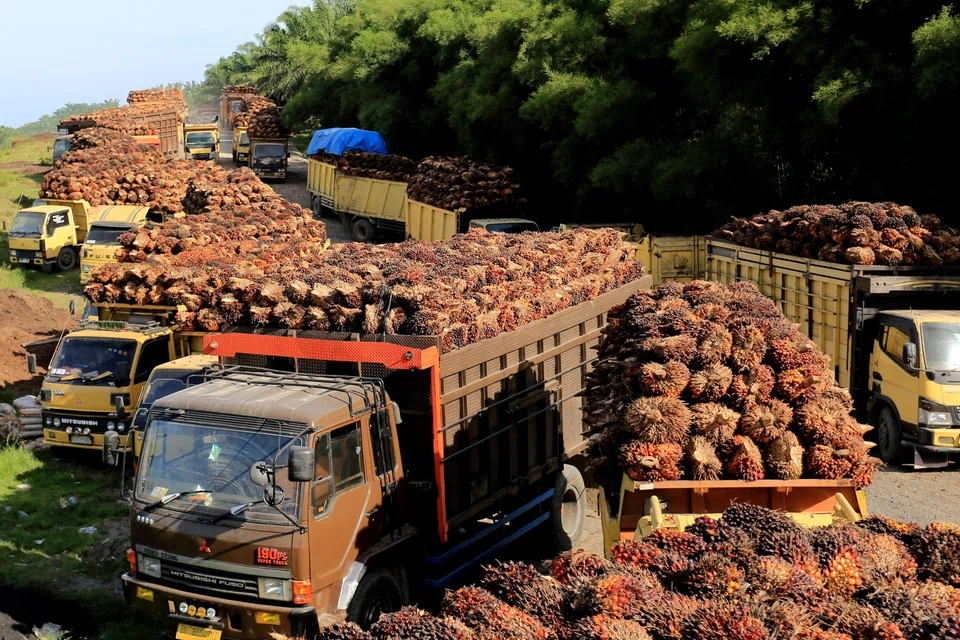
Indonesia, once a major exporter of natural resources, is now facing slowing demand due to weakening prices of mainstay commodities such as coal and palm oil. It recently posted a significant trade surplus of US$4.47 billion in March, the largest in 13 months, surpassing forecasts due to an unexpected decline in imports.
The surplus offers some relief for the rupiah amid a resurgence of risk-off sentiment and growing demand for safe-haven assets. The rupiah has lost nearly 4 per cent so far this year amid the US dollar’s strong rally.
Speaking at the annual National Development Planning event on Monday, outgoing President Joko Widodo highlighted Indonesia’s ongoing challenges, emphasising that the nation continues to grapple with a challenging economic environment, given the modest global growth forecast of only 3.2 per cent.
He called on the incoming government, which will take office in October, to be more prudent in managing the fiscal budget.
“Let’s not let even a single rupiah slip from the plans we make,” Widodo said, in remarks reported by the Antara news agency.
The central bank has set a target range of 4.7 to 5.5 per cent for economic growth this year, despite rising borrowing rates and food prices.
Indonesia’s economy has been grappling with declining exports, a battered currency, and prolonged high interest rates after Bank Indonesia unexpectedly raised its rates last month. These factors have cast a shadow over the country’s economic outlook.
“Accelerating inflation and elevated borrowing costs could cap growth momentum in the near term,” said ING senior economist Nicholas Mapa in a note.
Despite these headwinds, ING expects Indonesia to grow by roughly 5 per cent this year, driven by strong consumption.
Analysts predict that Indonesia’s interest-rate cut will not occur any time soon, with some suggesting that rates may only decrease later this year or in the first quarter of 2025.
OCBC senior economist Lavanya Venkateswaran said Indonesia faced turbulence in exports due to the broader global economic slowdown. This has led to a decline in demand for Indonesian exports, putting pressure on the country’s export-driven growth model.
The bank forecasts GDP could ease to 4.8 per cent this year, lower than the 5 per cent in 2023.