



Indonesia’s rupiah charges to the top of Asia’s best-performing currencies
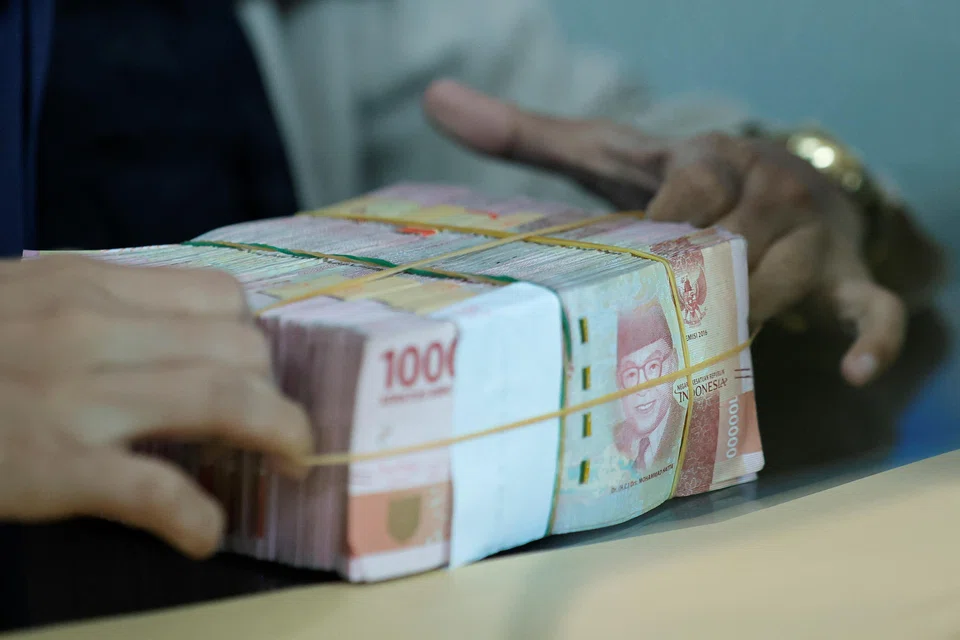
THE Indonesian rupiah has charged to the top of Asia’s currency leaderboard, but its moment in the sun may be short-lived.
Risks to the outlook are building as traders reassess how high US rates may go and support from Indonesia’s current-account balance wanes. All this is likely to hurt the rupiah, which has rallied more than 2 per cent against the US dollar this year to outperform all its regional peers.
“Persistently higher global bond yields will likely keep cross-asset volatility elevated, which is not positive for the rupiah,” said Alvin Tan, the head of Asia foreign exchange strategy at RBC Capital Markets in Singapore.
The rupiah is coming under pressure as the US dollar strengthens and Indonesian bonds head for their first monthly outflow since last October. After a rally fuelled by bets for a US policy pivot, traders are dialling back bullish wagers on emerging assets as the US Federal Reserve forges ahead with its tightening campaign.
The rupiah has lost some momentum in recent days. It weakened about 1.5 per cent in February, after posting its biggest monthly gain in almost three years in January on the back of a record current-account surplus and bond inflows.
Bond outflows are weighing on the currency, with overseas funds having sold almost US$400 million of Indonesian sovereign securities in February, after ploughing in US$3.3 billion the previous month.
Additionally, some of the economic tailwinds that propelled the rupiah higher look set to ease.
Barclays projects that Indonesia’s current-account excess will swing to a deficit of 0.2 per cent of gross domestic product in 2023 and 0.8 per cent in 2024, according to a note.
The currency also lost a key source of support after Bank Indonesia kept its benchmark interest rate on hold this month, as price pressures eased. Investors will look to core inflation data due on Wednesday (Mar 1) to gauge if the central bank’s tightening cycle is over.


As investors wait to see if a repatriation of exporters’ dollar earnings will prop up the rupiah, their attention may turn elsewhere.
If Indonesia’s currency falters, the Thai baht and South Korea’s won are likely to end the year as Asia’s top performers due to the positive effect of China’s reopening, according to RBC’s Tan.
The baht and the won would have to overcome a slow start, with the latter currently lagging all its Asian peers and the former near the bottom of the scoreboard. BLOOMBERG
Decoding Asia newsletter: your guide to navigating Asia in a new global order. Sign up here to get Decoding Asia newsletter. Delivered to your inbox. Free.
Share with us your feedback on BT's products and services
TRENDING NOW

Far East Organization’s The Serra Residences sells less than a quarter of units released at average S$3,460 psf

A bumpy road ahead for some of Singapore’s fresh graduates in their job search

Philippine power giant First Gen rebuffs foreign offers, plans up to US$2.6 billion in expansion

No chicken feed: How Malayan Flour Mills built an empire from flour to fowl

