Indonesia’s tighter commodity export control raises concerns over margin pressure for producers
Exports for key materials will go through a single-door system managed by a state-backed entity

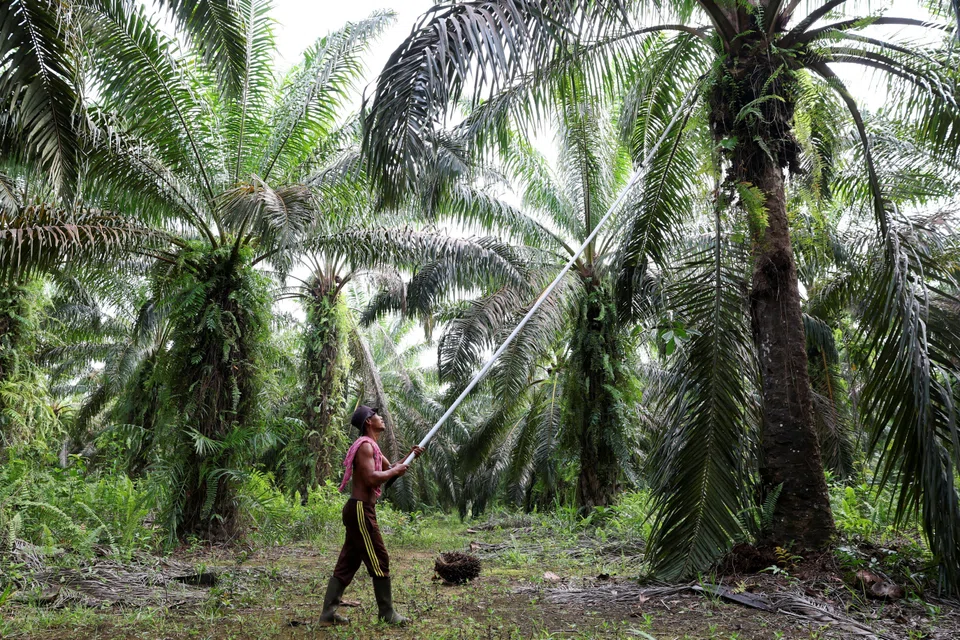
[JAKARTA] Regional commodity producers came under pressure on Wednesday (May 20) after Indonesian President Prabowo Subianto announced a sweeping plan to centralise exports of key natural resources through a government-appointed state-owned enterprise.
Analysts said this move could squeeze producer margins and alter how companies trade with overseas buyers.
The policy, unveiled during a parliamentary presentation, will require exports of strategic commodities, including crude palm oil, coal and ferroalloys, to be conducted through a designated state-owned export entity.
Market analysts said the sharp reaction in commodity-linked stocks reflected broader investor anxiety about a potential shift towards stronger state intervention in strategic sectors.
The policy could fundamentally reshape how Indonesian producers negotiate export contracts and manage pricing, potentially narrowing profit margins.
“The market reacted negatively because monopsony or a single offtaker setting prices is deemed adverse for open market operations and competitiveness, where margins can normally be optimised,” Harry Su, managing director at Samuel Sekuritas, told The Business Times.
“The concern is lower margins and earnings for commodity producers.”
Following the announcement, Indonesia’s benchmark Jakarta Composite Index fell about 2 per cent, as investors weighed the implications of tighter state control over the country’s lucrative commodity sector.
Shares of commodity producers were among the hardest hit.
Indonesian mining firm Alamtri Minerals Indonesia fell 5.9 per cent in intraday trading, extending losses after rumours of a new state-backed export agency began circulating a day earlier.
Coal producer Bayan Resources, controlled by billionaire Low Tuck Kwong, also slid 2.2 per cent.
Palm oil producers were similarly caught in the sell-off. Singapore-listed First Resources dropped as much as 6.5 per cent.
Single-door export
The new policy would significantly reshape existing export arrangements, which are currently conducted directly between exporters and overseas buyers.
Under the proposed framework, companies will be given a transition period from Jun 1 to Aug 31, 2026, to adjust to the new export arrangements.
During that period, exporters must process pre-clearance procedures – including legal documentation, permits and compliance with export restrictions – through the designated state-owned export company.
Full implementation will begin on Sep 1, when all export transactions and sales contracts must be conducted through the state-owned entity.
In a separate briefing, Investment Minister Rosan Roeslani, who also heads Danantara, said the proposed export agency will be placed under Danantara Sumber Daya Indonesia, a newly established entity specifically set up to oversee the export mechanism.
By centralising exports through a government-linked entity, authorities also aim to gain greater influence over commodity pricing, particularly for products where Indonesia is a dominant global supplier, such as palm oil and nickel.
Overreaching state control
The policy adds another layer of government control, following last year’s move to seize assets in the plantation and mining sectors that authorities deemed illegal, including those linked to major companies.
The plan would also mark one of Prabowo’s boldest economic interventions since taking office, as he seeks to boost state revenue while pushing ahead with expensive flagship programmes, including a nationwide free school meals initiative.
The government has argued that the policy will strengthen monitoring of Indonesia’s natural resources trade and curb under-invoicing, a longstanding problem in the country’s commodities sector.
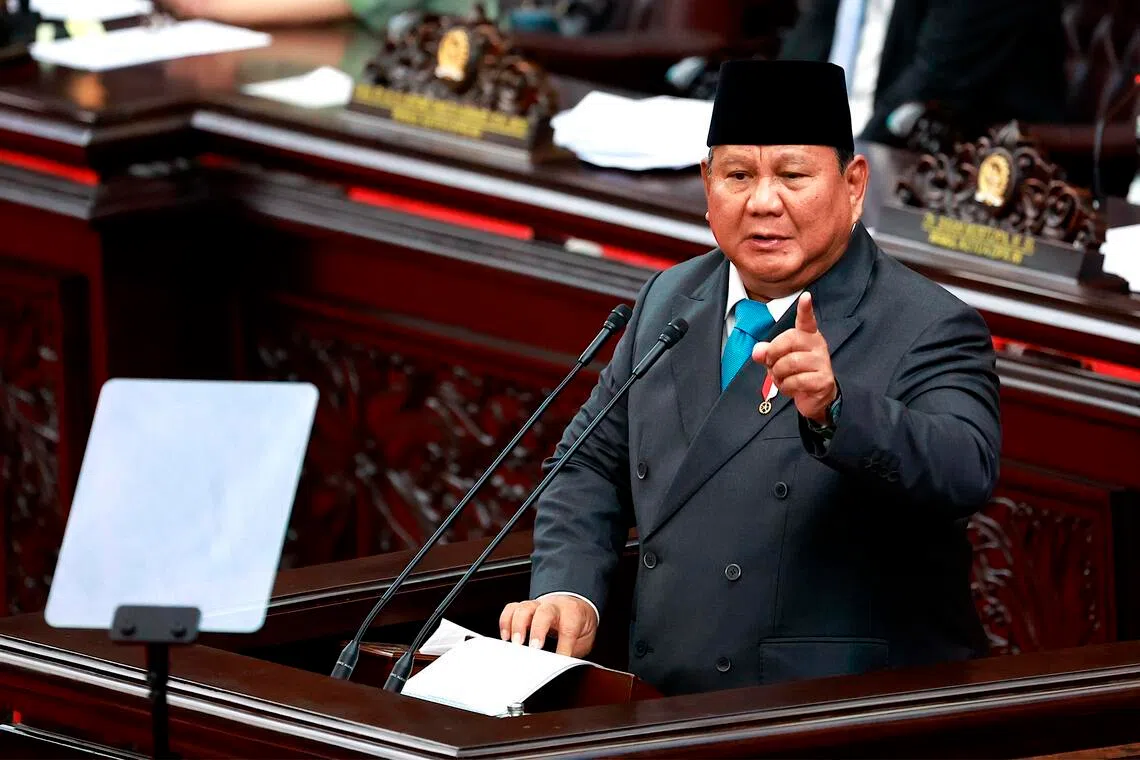
In his parliamentary speech, Prabowo said Indonesia has lost significant potential state revenue over the past 22 years, with an estimated US$343 billion leaked through under-invoicing and under-accounting practices in natural resources exports.
Under-invoicing refers to the practice of declaring export shipments at values below their true market prices, allowing companies to shift profits to lower-tax jurisdictions abroad.
Concern among international buyers
Analysts and market participants warn that the new export structure could introduce operational disruptions and raise questions among international buyers.
It threatens to boost global prices of raw materials such as palm oil, of which Indonesia is the biggest producer, and coal.
Dedi Dinarto, associate director at strategic leadership advisory firm FGS Global, said investors fear a centralised export agency could change how exporters deal with overseas buyers, reduce trade flexibility and potentially compress margins if an additional state entity sits between producers and global markets.
“The official rationale may be to address under-invoicing and improve trade monitoring, but investors will likely see this as part of a broader shift towards tighter state management of strategic commodity flows,” he said.
He added that investors will closely scrutinise how the new agency operates.
“If the new entity improves transparency, the market can understand the rationale,” he said.
“But if it becomes a mandatory trading house with control over pricing and margins, investors will treat it as a meaningful intervention in Indonesia’s commodity sector.”
He also noted that if the agency is indeed placed under Danantara, it could signal that the sovereign wealth fund is being positioned not only as an investment vehicle, but also as a strategic platform tied to Indonesia’s commodity flows.
“Until the details are clear, markets will likely treat this as headline risk rather than a fully priced policy shift,” he said.
Another burden cost
Ardhi Ishak, head of industrial relations at the Association of Indonesian Mining Professionals, said export transactions are typically conducted directly between producers and buyers on a business-to-business basis.
Under the new scheme, however, he warned that additional administrative layers would be introduced, potentially increasing costs for industry players.
He also cautioned that the involvement of an intermediary state entity could create uncertainty among overseas buyers accustomed to negotiating directly with producers.
“There could be a loss of confidence from international commodity buyers if another party is inserted between producers and buyers,” he said, adding that similar export structures are rare globally.
Another concern is how the new rules will affect existing sales agreements. Many mining and plantation companies already have long-term offtake contracts in place with global customers.
“Almost all commodity producers have existing contracts, both short and long-term,” Ishak said.
“How will those contracts be treated under the new system? Investors will inevitably question regulatory certainty in Indonesia.”