Indonesia’s trade surplus narrows to US$4.3 billion in September as imports rebound
Analysts say the pickup in imports signals a recovery in domestic demand

[JAKARTA] Indonesia’s trade surplus narrowed in September as imports rebounded, a sign that domestic demand is strengthening amid firmer manufacturing activity and an expansionary fiscal stance, analysts said.
Official data released Monday (Nov 3) showed the country booked a US$4.3 billion trade surplus in September, down from US$5.5 billion in August and slightly below the US$4.8 billion median forecast in a Reuters poll.
Indonesia has now recorded 65 straight months of trade surplus.
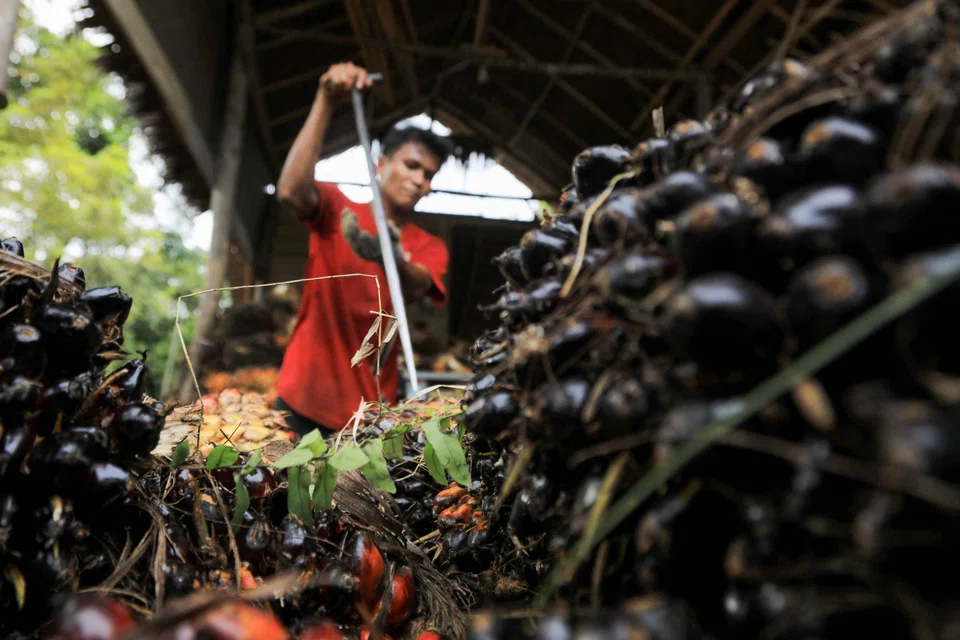
Data from Statistics Indonesia showed exports rose 11.4 per cent year on year to US$25.7 billion, led by palm oil, iron and steel, and precious metals.
Imports, meanwhile, jumped 7.2 per cent to US$20.3 billion, reversing August’s contraction and exceeding expectations, with capital goods and industrial inputs showing notable gains.
“The trend reflects stronger domestic demand, supported by the government’s pro-growth policy agenda,” said Josua Pardede, chief economist at Bank Permata.
Indonesia’s manufacturing purchasing managers’ index staying above the expansion threshold of 50 in September and October helped drive import growth.
Liza Camelia Suryanata, head of research at Kiwoom Sekuritas, said the rise reflected increased confidence among producers.
Exports of crude and refined palm oil reached 17.6 million tonnes in the January-to-September period, up 11.6 per cent year on year, although monthly shipments in September slipped 6.97 per cent due to weaker prices and seasonal demand.
While exports continue to benefit from strong shipments of gold, palm oil and steel, Kiwoom Sekuritas analysts cautioned that weaker coal prices and slowing demand from major trading partners, including the US and China, could limit further growth.
Gold-driven inflation
Indonesia’s inflation edged higher in October, driven primarily by rising gold prices, while remaining comfortably within Bank Indonesia’s (BI) target range, data showed.
Economists, however, warned that government consumption programmes, including the free nutritious meal initiative under President Prabowo Subianto, could add upward pressure on food prices if not carefully managed.
The consumer price index rose 0.3 per cent month on month in October, up from 0.2 per cent in September. On an annual basis, inflation reached 2.9 per cent, exceeding the 2.7 per cent consensus forecast but still well within BI’s 1.5 to 3.5 per cent target range for 2025 to 2026.
The rise was driven largely by higher gold prices, which contributed around 0.2 percentage point to headline inflation.
Food items such as red chillies, chicken eggs and chicken meat also added to inflationary pressures, reflecting stronger demand linked to the roll-out of the government’s free meal programme in selected regions.
Meanwhile, certain items including bird’s eye chilli, tomatoes and rice experienced mild deflation, partially offsetting overall price growth.
Pardede of Bank Permata said the uptick in October inflation was primarily cost-driven, rather than demand-driven, but he cautioned that government programmes could amplify food price volatility in the coming months.
“A key challenge for food prices now lies in how swiftly the government can strengthen food security amid rising demand from the ongoing free meal programme,” Pardede said.
Despite the rise, Bank Permata expects inflation to remain manageable through the end of the year, projecting headline inflation at 2 to 2.5 per cent by December 2025, supported by stable food prices.
The October reading reinforces expectations that BI can maintain its monetary easing stance while supporting domestic growth.
Analysts also noted that seasonal factors, such as transportation discounts during the year-end period, could help temper inflation in the final quarter of 2025.
TRENDING NOW
Grab CEO’s wife Chloe Tong on life with Anthony Tan and finding her purpose
What role can Japan play in Asean’s future?
He built the Vingroup empire. Now South-east Asia’s richest man is handing some key roles to his sons
Asean’s challenge is to become resilient against global geopolitics: former Indonesia trade minister