



Infrastructure projects in Indonesia could feel the impact of slower China growth
Shoeb Kagda
WHEN he assumed office in 2014, Indonesian president Joko Widodo made infrastructure development a top priority. When he was re-elected for a second term in 2019, he doubled down on his infrastructure promise, committing billions of dollars to building new airports, seaports, toll roads, power stations, fast speed rail lines, industrial parks and tourism sites.
A large chunk of the funding for these projects, estimated at US$412 billion, was provided by Chinese companies with the flagship Jakarta-Bandung high speed train line being developed by China Railway International.
At the G20 Summit in Osaka in 2019, China and Indonesia agreed to prepare special funds for 28 Belt and Road (BRI) projects in Indonesia worth around US$91 billion. These projects include industrial parks, metallurgical and power plants and tourism facilities.
Over the five years up to 2020, China ranked third for foreign direct investment (FDI) inflows into Indonesia after Singapore and Japan, according to data from the Indonesia Investment Coordinating Board (BKPM).
However, the Covid-19 pandemic and a slowdown of China’s economy may impact Chinese funding for Indonesia’s large infrastructure projects.
According to BKPM, in 2021, Chinese FDI to Indonesia, including from Hong Kong, shrank 7.3 per cent to US$ 7.8 billion. Meanwhile, FDI from mainland China fell 34.7 per cent to US$ 3.2 billion.
“As China’s GDP is expected to slow further in 2022 (Fitch cut its Chinese GDP forecast from 4.8 per cent to 4.3 per cent), there is a strong possibility that Chinese FDI to Indonesia would slow as well in 2022,” said Harry Su, managing director of Samuel Sekuritas.
He added, however, that lower Chinese FDI will have little to no impact on Indonesia's GDP growth in 2022, because total FDI to Indonesia from 2015-2021 has been stagnating, specifically fluctuating between US$28 billion to US$32 billion.
“The best that Chinese FDI can do is replace FDI from other major countries like Japan, European countries and USA,” Su noted.
Major infrastructure projects that could be affected by lower Chinese investments include the Jakarta-Bandung High Speed Railway which is due to be completed in 2022, toll road securitisations and coal-fired power plants.
Chinese companies are also expected to be key players in the construction of the new national capital in East Kalimantan. The central government is allocating a budget of between Rp 27 trillion (S$2.5 billion) to Rp 30 trillion, but expects major funding to come from foreign investors.
UOB Indonesia economist Enrico Tanuwidjaya noted that slower GDP growth in China may slow down overall FDI into Indonesia but “it will not be significant.”
“More importantly trade between China and Indonesia remains robust given that China is Indonesia’s main trading partner with exports of natural resource products such as coal, animal or vegetable fats and oils, iron and steel which account for 54 per cent of Indonesia’s total exports to China,” he said.
According to data from China's General Administration of Consumers, China imports some US$63.8 billion worth of goods from Indonesia in 2021. In the same year, its exports to Indonesia came to US$60.7 billion.
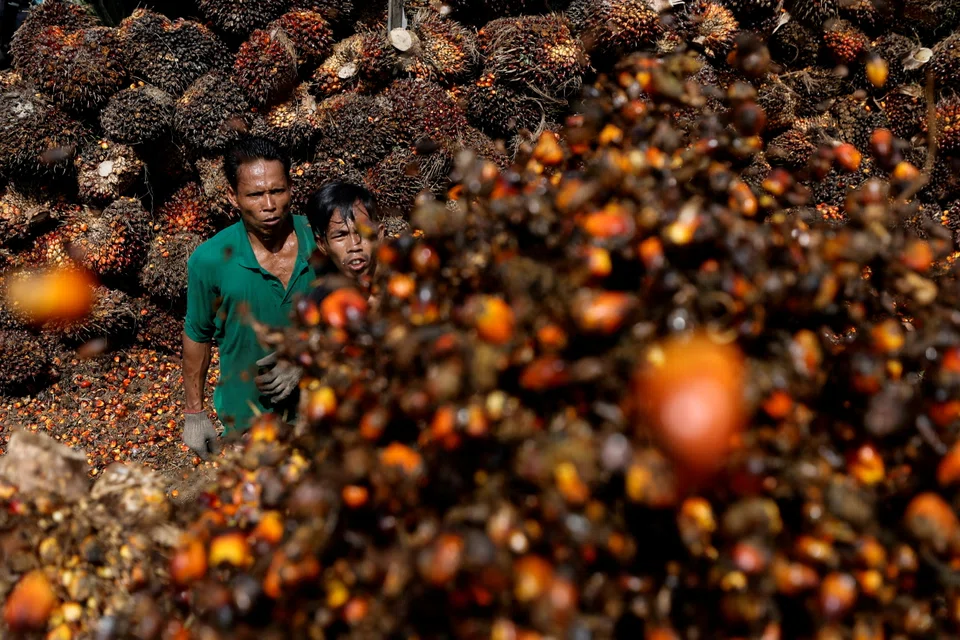
However, Indonesia’s recent ban on all palm oil exports may dampen export earnings in the short term. That may hurt Indonesia’s GDP growth this year – more so than lower FDIs from China, said Su from Samuel Sekuritas.
“We estimate the full export ban will cut export revenue by US$2.5 to US$3 billion per month,” he said. “The larger decrease in export revenue will make the rupiah more vulnerable from the impact of Federal Reserve rate raises in the coming months.”
TRENDING NOW

Ex-Goldman trader builds mini pod shop in Singapore with offbeat hires
US says China to buy 10 million tonnes of coal in 2027 and 2028
Amberwood at Holland sells 23 of 70 units launched at average price of S$3,019 psf

He built the Vingroup empire. Now South-east Asia’s richest man is handing some key roles to his sons

