



No longer just an outpost: Vietnam’s rise opens new front for DBS, OCBC, UOB
The financing needs of businesses there have grown as they integrate into Asian trade and capital flows

[SINGAPORE] For Singapore’s banking giants, Vietnam once served mainly as an outpost. The lenders financed clients expanding there and followed existing relationships, rather than building new ones.
Today, the fast-growing economy of more than 100 million people has become something more, said senior bankers: an increasingly sophisticated domestic market with broader and more complex financing needs.
The country is also benefiting from regional supply-chain shifts amid ongoing geopolitical tensions. This is helping to support a constructive growth outlook in the years ahead.
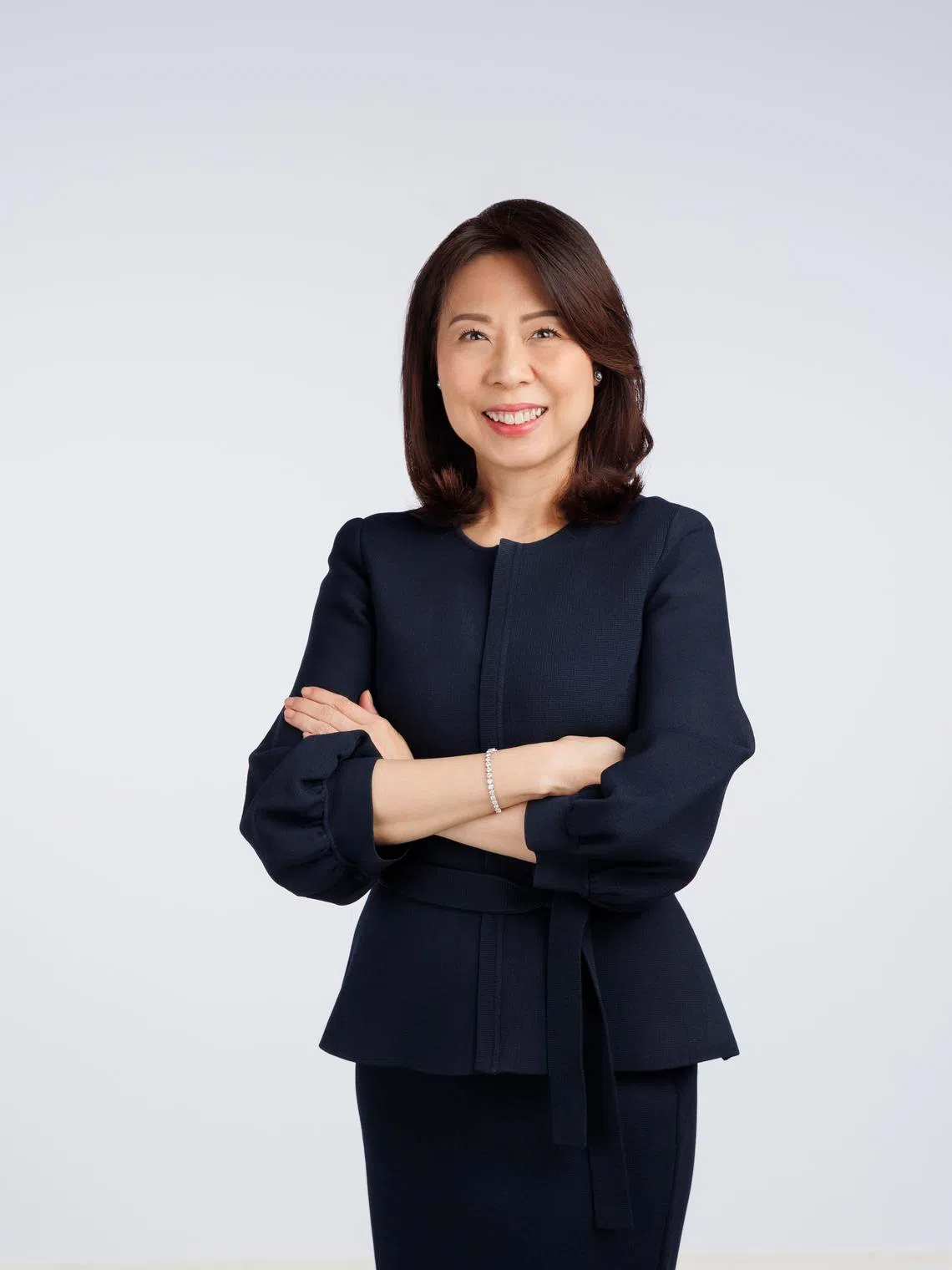
“Historically, Vietnam was a corridor market for Singapore banks, where we supported clients from home as they expanded abroad,” said Abdul Raof Latiff, chief executive of DBS Vietnam.
“That foundation remains important, but Vietnam is no longer just a destination for inbound capital,” he noted. “It is (also) increasingly a market in its own right – one with a stronger domestic corporate base, deeper supply-chain linkages and a more consequential role in the broader ‘China+N’ strategy.”
A “China+N” strategy refers to companies diversifying manufacturing and supply chains beyond China by adding operations in one or more alternative markets, often in South-east Asia.
Vietnam has been a key beneficiary of that strategy, as multinational firms move production there amid years of US-China trade tensions. A key benefit to firms has been lower tariff exposure compared with producing in China.
Indeed, expanding intra-Asia trade and the reconfiguration of global supply chains have helped Vietnam cement its position as one of South-east Asia’s fastest-growing economies, said Elaine Lam, head of global corporate banking at OCBC.
In 2025, Vietnam’s economy grew 8 per cent, its second-fastest pace in 15 years, as total exports rose nearly a fifth year on year to US$475 billion. For 2026, the country is targeting economic growth of 10 per cent.
SEE ALSO


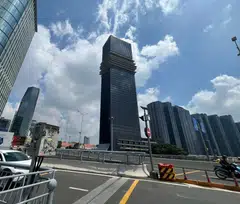


Its banking scene has also evolved rapidly. The industry is made up of state-owned commercial banks such as BIDV, Vietcombank and VietinBank; joint stock companies such as VPBank, the first privately owned bank in Vietnam and Techcombank; joint ventures, and foreign-owned banks.
Lam said that OCBC’s Vietnam strategy centres on supporting customers from its core markets, particularly Singapore and mainland China, as they invest in the country, while also serving Vietnamese state-owned enterprises and large local corporations in their domestic expansion and broader capital needs.
For UOB, South-east Asia’s third-largest bank by assets after DBS and OCBC, Vietnam has “always been a strategic market”.
In fact, in 1993, it became the first Singapore bank to establish a presence in the country, observed UOB Vietnam’s chief executive Victor Ngo.
UOB was also the first Singapore bank to receive approval to establish a wholly foreign-owned subsidiary bank in Vietnam in 2017. This means it is able to operate similarly to local banks, providing full banking services.
Earlier this month, South Korea’s IBK Vietnam received its foreign bank licence; this is the first issued in nine years, since UOB Vietnam.
“While supporting regional and Singapore-based clients entering Vietnam remains important, we have increasingly built a franchise anchored in the domestic economy,” Ngo said.
He added: “This shift is reflected on the ground through the expansion of our corporate and retail capabilities, significant growth in our local talent base, the scaling of our retail business following the Citi consumer banking acquisition, as well as continued long-term investments such as fresh capital injections and our new headquarters in Ho Chi Minh City.”
Ngo was referring to UOB’s S$4.9 billion acquisition of Citigroup’s consumer banking businesses in Indonesia, Malaysia, Thailand and Vietnam, first announced in 2022.
More recently, the lender injected two trillion dong (S$96.7 million) in additional capital into its Vietnam subsidiary in 2025, lifting the unit’s total charter capital to 10 trillion dong.
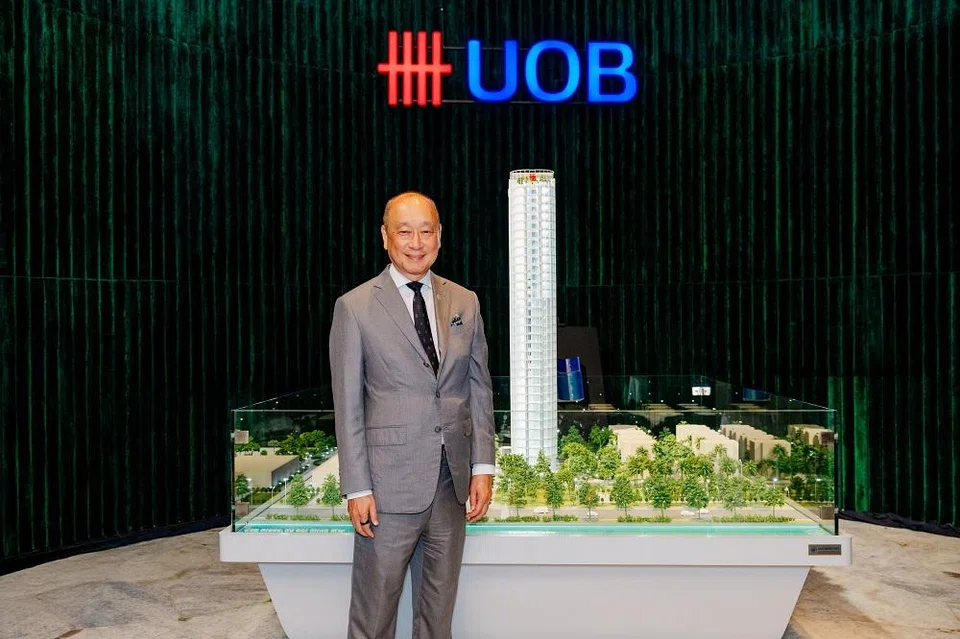
That year, it also announced plans for a new headquarters building, UOB Vietnam Plaza, in Ho Chi Minh City’s International Finance Centre, which will house some 1,500 employees when completed.
Broadening demand
As Vietnam’s businesses become more integrated into Asian trade and capital flows, fresh opportunities are opening for Singapore’s banks.
“The question is no longer just access to domestic financing,” said Latiff. “It is also how they (can) manage treasury, payments, foreign exchange and risk across markets, and how they (can) do that more efficiently as operations become more complex.”
He noted that demand is also rising for sustainable finance and advisory services, particularly as Vietnamese companies engage more with global customers, investors and supply-chain partners facing higher environmental, social and governance expectations.
Lam said that the key sectors drawing customer interest include energy, renewables, manufacturing and real estate. She added that OCBC has substantially deepened its cash management, trade finance, foreign exchange and other banking capabilities to support customers’ cross-border financing and transactional requirements “more seamlessly”.
She also noted that Vietnam’s push for greater financial inclusion – backed by a young and tech-savvy population as well as rapid digital adoption – is creating opportunities in digital banking and fintech, with continued innovation expected across payments, financial services and digital ecosystems.
Foreign direct investment (FDI) flows are a key focus for UOB, as Vietnam continues to attract capital into sectors such as electronics, industrials, consumer goods and real estate.
In 2024, total foreign investment inflows into Vietnam reached US$20.2 billion, up from US$18.5 billion a year earlier, based on the latest World Bank data.
Ngo said: “Since establishing our FDI advisory team in Vietnam in 2013, we have supported more than 400 companies over the past five years, facilitating over S$9 billion in pledged investments and the creation of approximately 60,000 jobs.”
Not without challenges
However, despite the constructive outlook, the bankers are also clear-eyed about the challenges ahead.
For one thing, the market is likely to become more demanding as it matures.
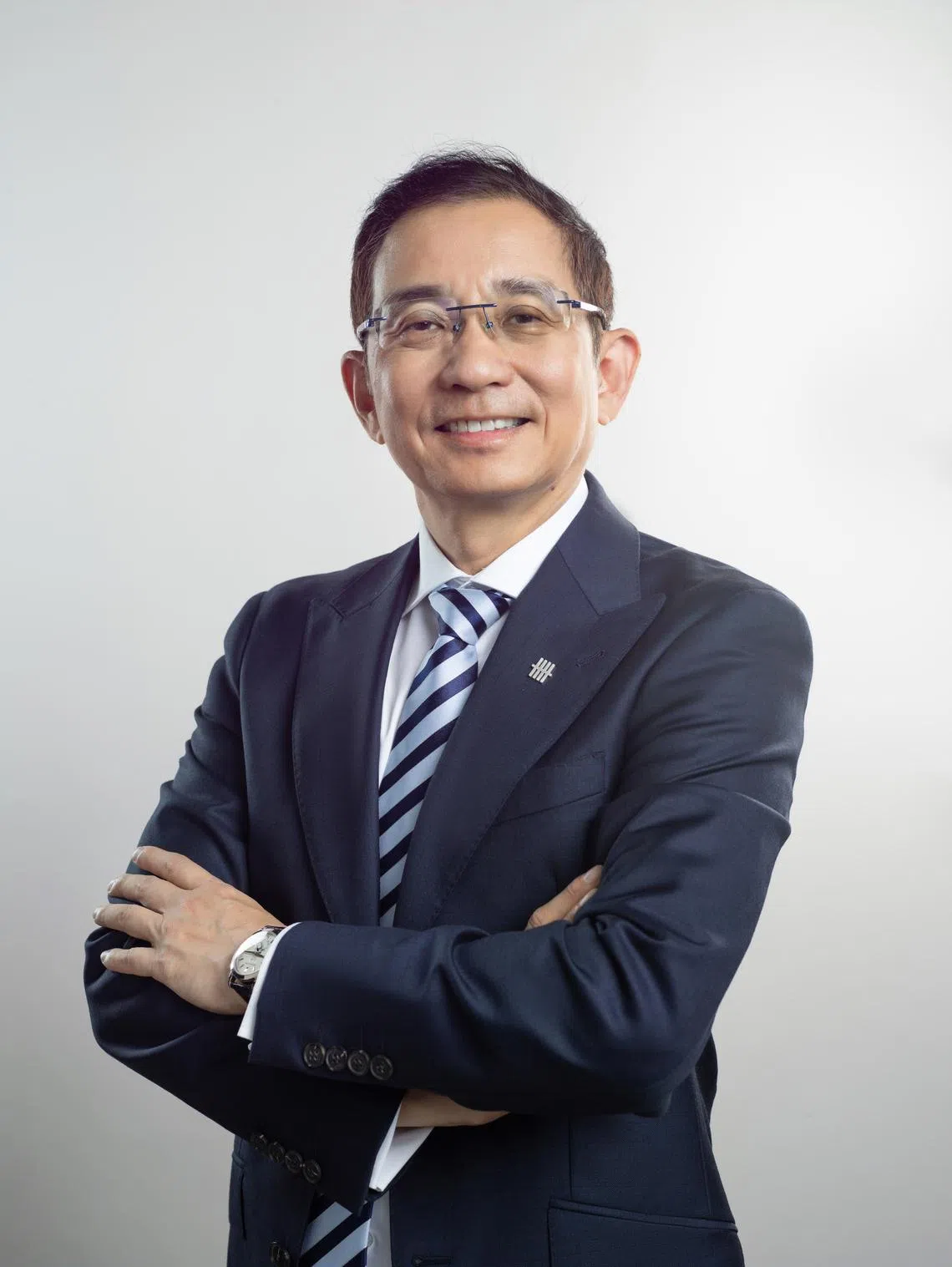
“Regulation will continue to evolve, competition will remain intense, and clients will expect more from their banking partners – not just in terms of financing, but in speed, execution, connectivity and insight,” Latiff said.
On the regulatory front, Lam said that reforms in areas such as bankruptcy and land use, along with efforts to streamline administrative processes and improve policy predictability, should strengthen the operating environment for financial institutions, support macroeconomic stability and reinforce investor confidence.
At the same time, global uncertainties may affect investment sentiment and capital flows, noted Ngo. Continued progress on regulatory clarity and talent development will be important as the market evolves, he added.
Singapore’s banks are also mindful of avoiding direct competition with Vietnam’s domestic lenders in purely local-facing segments.
Instead, all three lenders pointed to their regional connectivity and ability to serve clients across multiple markets as their key differentiator from domestic players.
On this point, perhaps Ngo summed it up best: “We focus on customer segments where regional and cross-border connectivity matter most.”
Inside Asean: Vietnam examines the structural shifts and emerging drivers shaping its evolving economy. Get more insights into Vietnam here.
Decoding Asia newsletter: your guide to navigating Asia in a new global order. Sign up here to get Decoding Asia newsletter. Delivered to your inbox. Free.
Copyright SPH Media. All rights reserved.
TRENDING NOW

LTA proposes combining car COE categories, adding rebate-surcharge system

StarHub to acquire MyRepublic’s mobile business amid ongoing telco consolidation

DBS, OCBC, UOB rout lops billions off STI as inflation, rate concerns spook investors

Grab CEO’s wife Chloe Tong on life with Anthony Tan and finding her purpose

