Investors, governments should take a backseat in driving philanthropy programmes: panel


[KUALA LUMPUR] When it comes to philanthropy, both investors and governments should empower passionate people to drive the programmes and give the necessary assistance to amplify the impact, said Temasek Foundation chief executive officer Ng Boon Heong.
“We do not need to be the majority shareholder in every programme. Let everyone participate, and this will create a greater impact,” he said at a panel discussion at the Asian Venture Philanthropy Network (AVPN) Global Conference on Tuesday (Jun 20), the first day of the event.
He noted how Temasek Holdings’ philanthropic arms – Temasek Foundation, Temasek Trust and Stewardship Asia Centre – have provided a space in Singapore’s Orchard Road to serve as a social impact hub for philanthropy ideas and activities.
Since its launch in 2019, Temasek Shophouse, as the hub is called, has supported more than 170 social impact events and reached out to 79,000 people, with these efforts driven mainly by small enterprises and individuals.
Johan Mahmood Merican, the secretary-general of the Treasury from Malaysia’s Ministry of Finance, echoed these views. He said that governments could play a supporting role in policymaking, offering tax incentives and matching grants to encourage more collaborations that drive the success of such programmes.
“We may be good (at) making policies, but we are not good (at) fund distribution and evaluating the impact,” he added, noting that while governments have played key roles in pushing social changes and impact investing over the years, they may still lack the expertise or experience to address every aspect.
According to him, the future of philanthropy should be “more than just writing a cheque”; philanthropy should be conducted sustainably to continue generating value for the environment and society in the long run.
On creating a greater impact, the panellists agreed that collaboration between companies and governments is crucial to create a larger pool of investment.
However, such collaborations are hard to achieve in Asia due to different agendas, said Ruth Shapiro, the founder and chief executive of the Centre for Asian Philanthropy and Society.
She noted that 85 per cent of the businesses in Asia are family-owned, and companies have their own philanthropy programmes to help improve their communities. “They have good intentions in driving changes, but collaborations are not easy. All stakeholders need to come together to discuss and reach a mutual agreement on the metrics, investments and programmes,” she added.
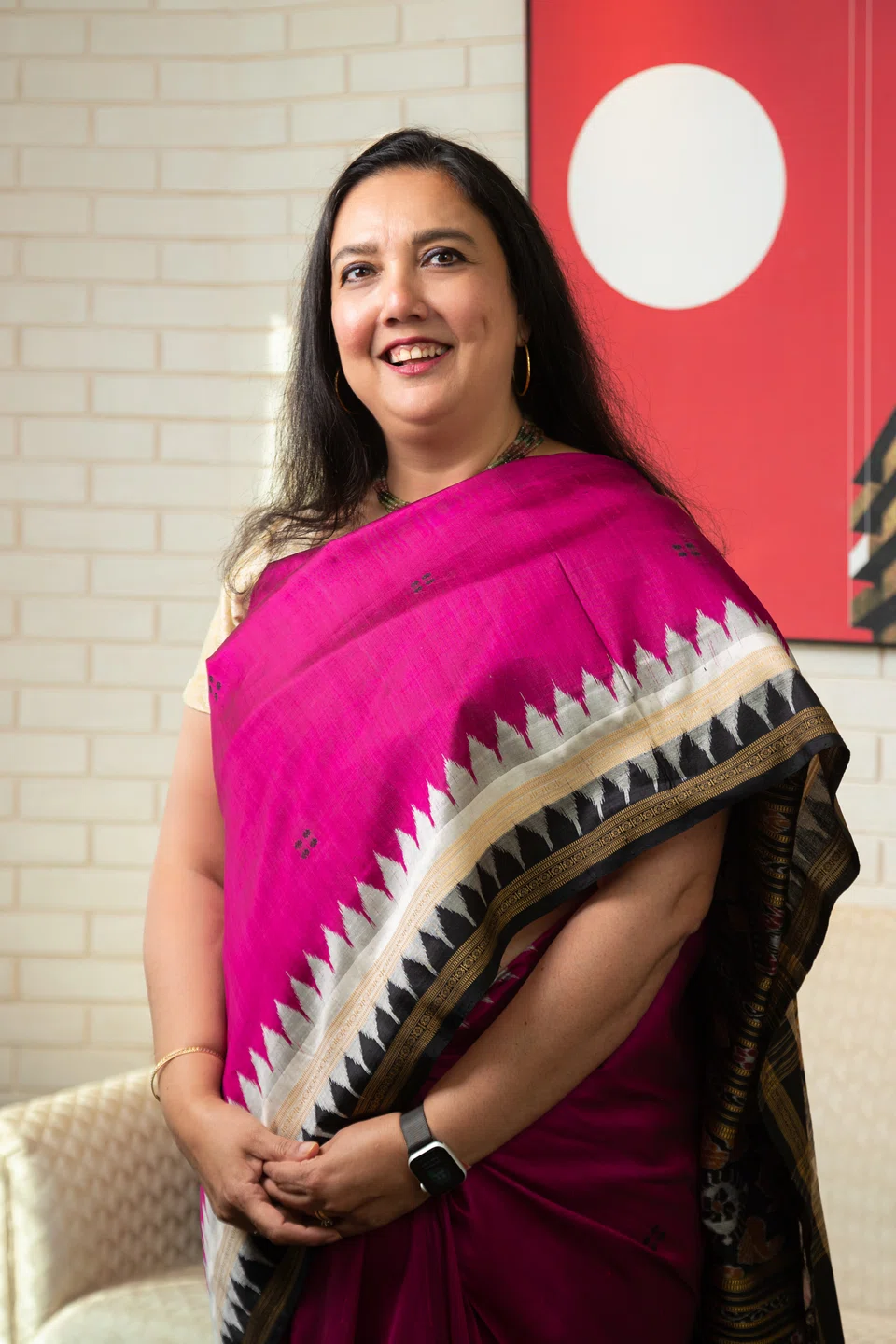
With the world now in the post-Covid era, AVPN chief executive Naina Subberwal Batra observed that corporates’ philanthropy focus has shifted towards impact investing, with the hope that the resources deployed to the programmes could have a longer-term impact.
However, a lack of standardised metrics has become a major challenge for companies to make these investment decisions.
“Companies hesitate in sharing their data, metrics and deliverables. For (every) philanthropy programme, different companies will have a different set of metrics. This makes it hard to quantify and measure the impact of investing, especially the social changes,” she told The Business Times.
While there are a few metric standards set by international institutions, these may not be suitable for applying to every single activity. To resolve this, governments could play a greater role by making measurable criteria and encouraging businesses to adopt them, said Batra.
She pointed out that blended finance is an important tool for bridging the gap between small and large organisations.
“With blended finance, such as guarantee schemes and de-risking projects, the funds could be channelled to smaller companies for them to execute their plans,” she added.