



Iran energy crisis spurs work from home calls half a world away
Rising crude prices quickly ripple through transport, electricity and food costs across South-east Asia
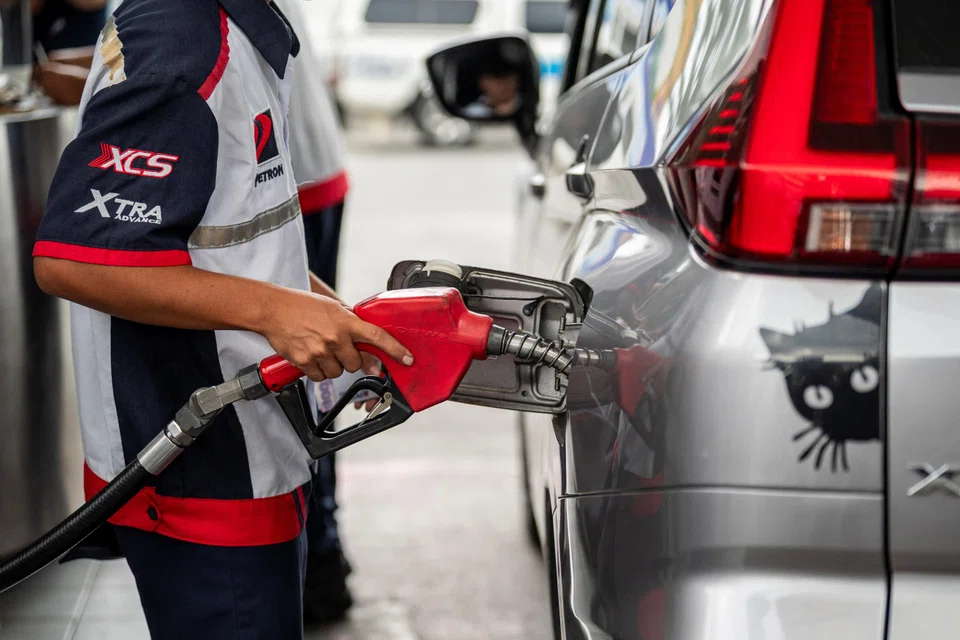
[SINGAPORE] From Bangkok to Manila, officials in South-east Asia are rolling out work-from-home mandates and other fuel conservation measures to shield their economies from surging oil prices, underscoring how an energy shock triggered by the war in Iran is reshaping daily routines half a world away.
Thailand is requiring most government agencies to adopt full-time work-from-home arrangements as part of emergency efforts to reduce energy demand. The order covers all state employees whose roles are not directly tied to public services.
The Philippines has sought to cut fuel consumption by shifting government employees to a four-day work week as of Mar 9, although the shorter schedule is temporary and excludes emergency and frontline services. Some state entities have said they will extend fuel subsidies to fisherfolk, farmers and public transport drivers.
In Malaysia, meanwhile, the government will decide on Tuesday the feasibility of work-from-home arrangements for civil servants.
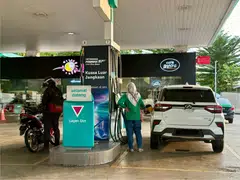
The steps illustrate how quickly rising crude prices can ripple through transport, electricity and food expenses in economies where fuel is a key input and subsidies are limited. The Philippines is seen by economists as among the region’s most vulnerable to inflation risks from higher oil costs, while Thailand’s heavy reliance on Middle East crude – with daily refined oil consumption at about 124 million litres – leaves it exposed to supply disruptions.
With inflation also accelerating in parts of South-east Asia, policymakers are acting to rein in consumption as the price surge threatens additional strain.
“My fellowmen, we don’t know when the chaos in the Middle East will end,” Philippine President Ferdinand Marcos Jr said in a video message last week. “We are victims of a war that we did not choose nor want. We can’t control the war but we can control how we will protect the Filipino.”
Elsewhere in South-east Asia, authorities are considering comparable responses. Vietnam’s trade ministry this week encouraged people to work remotely and use public transport to help cut fuel use.
Thailand’s Cabinet has also urged officials to halt non-essential overseas travel and other conservation steps including using less air-conditioning and encouraging short-sleeved attire during the peak hot season have been floated.
SEE ALSO

For now, Bangkok is seeking voluntary cooperation from businesses and has tasked the Public Relations Department with launching television, radio and social media campaigns to promote energy savings. BLOOMBERG
Decoding Asia newsletter: your guide to navigating Asia in a new global order. Sign up here to get Decoding Asia newsletter. Delivered to your inbox. Free.
Share with us your feedback on BT's products and services






