Johor Bahru’s co-working spaces thrive on Singapore’s nearshoring, cost-efficient solutions
Demand is expected to accelerate once more details on the JS-SEZ are released

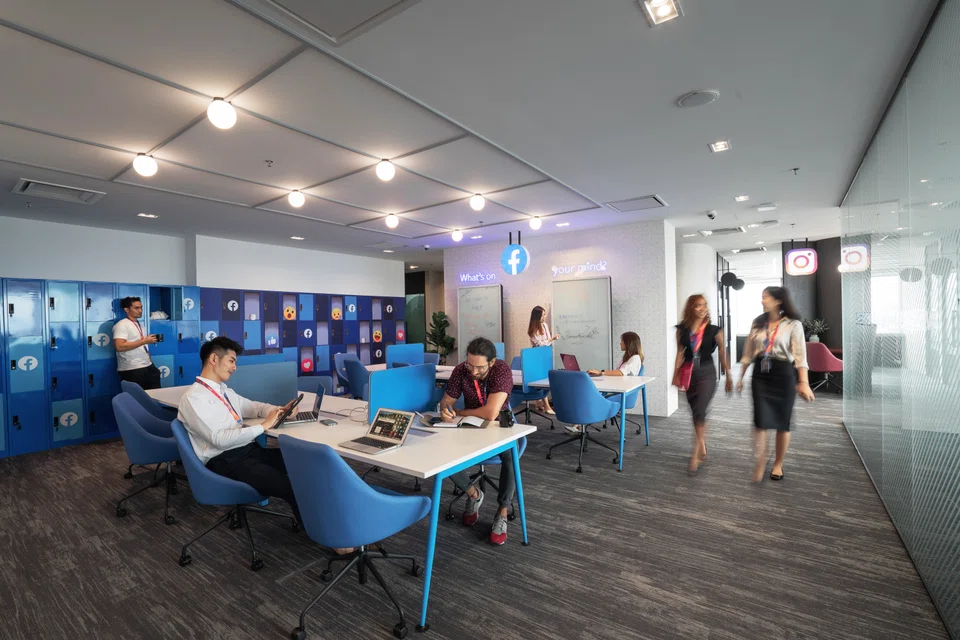
[KUALA LUMPUR] As businesses from Singapore and Malaysia increasingly turn to Johor Bahru in their quest for cost savings, the city is rapidly transforming into a regional hub and sparking a surge in the development of co-working spaces across Malaysia’s southern gateway.
Samuel Tan, chief executive officer of Olive Tree Property Consultants, noted that the demand for co-working spaces in Malaysia’s southernmost state has increased in the last couple of years since the Covid-19 pandemic, with more local and international businesses setting up shop there.
“Although the rental for conventional office spaces is lower than (that of) co-working spaces, the flexibility, corporate solutions and networking opportunities offered by co-working spaces are driving businesses to adopt the shared workspace concept,” he told The Business Times.
Lee Sheah Liang, the co-founder and CEO of co-working space operator Infinity 8, said the number of co-working offices in the Greater Johor Bahru area surged to more than 60 premises as at July this year, compared to fewer than five in 2017 when the company was founded.
“Nearshoring from Singapore to Greater Johor Bahru is a key factor driving the demand. Companies that do business with their Singapore counterparts are looking at co-working spaces in Johor Bahru to maintain a presence closer to their clients,” he added.
Infinity 8 started with three co-working centres in 2017 in Johor Bahru and has since expanded to eight, along with additional locations in Kuala Lumpur and Penang. The occupancy rate of these spaces are above 90 per cent, said Lee.
This year, the company plans to open another co-working centre in Tampoi, near Pasir Gudang.
The Johor state government aims to position Greater Johor Bahru – which covers Johor Bahru, Iskandar Puteri, Pasir Gudang and Kulai – as Malaysia’s second metropolitan hub, bolstering the state’s economic growth.
Vijayakumar Tangarasan, Malaysia country manager at International Workplace Group (IWG), said the co-working space industry is thriving, with strong interest from local startups, as well as companies from other parts of Malaysia, Singapore and beyond.

He added: “We have received an increasing number of inquiries on our co-working spaces since last year. (Positive developments) such as the Johor Bahru-Singapore Rapid Transit System and the Johor-Singapore Special Economic Zone (JS-SEZ) have fuelled the interest.”
He also noted that many companies are waiting for updates on the JS-SEZ, and the demand for shared or flexible working spaces will likely accelerate once the two governments release more details. Last Thursday (Aug 29), it was reported that a deal for the JS-SEZ was likely to be signed by November this year.
UK-based IWG currently operates two co-working spaces in the Johor Bahru city centre, with plans to open a location in Medini.
In terms of expansion, Tangarasan said the company is looking at ways to work with landlords through profit-sharing arrangements to operate co-working spaces within their buildings.
Olive Tree Property Consultants executive director Tan Wee Tiam said co-working space operators can bridge a gap for office owners by acting as the main lessee and subleasing smaller spaces to tenants with varying needs.
“This arrangement provides tenants with flexible options, such as dedicated seats, hot desks, private offices and virtual offices, while offering perks like lounges and free drinks,” he said.
Co-working space operators can also accommodate short-term occupants, with options such as hot-desking and meeting rooms available on a per-use basis. These flexible arrangements also grant entrepreneurs access to top-notch office infrastructure, boosting productivity.

“Flexibility is the main reason that the majority of business owners (opt) for co-working spaces, and it’s something that conventional offices can’t offer,” said Tangarasan, who manages 41 co-working spaces in Malaysia.
“Instead of worrying about Wi-Fi and finding a Starbucks, co-working space members (can) just bring their laptops and work at any locations with IWG offices.”
Prices for co-working spaces in Johor Bahru are still generally lower compared to Singapore and Kuala Lumpur, where rents are much higher.
For example, an office for one person costs around RM600 (S$181) to RM1,300 per month depending on the location. A similar-sized space in Kuala Lumpur easily exceeds RM1,000 per month, especially if it is in a Grade A green building.
Value-added services
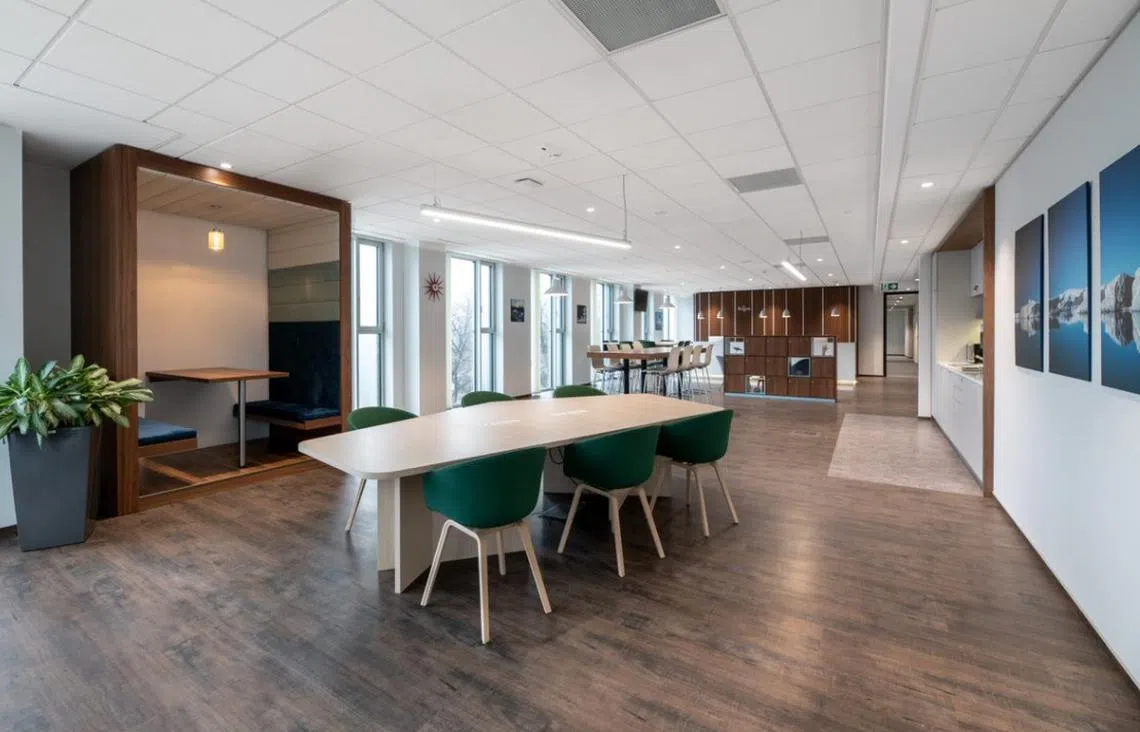
Industry players note that beyond providing a space to work and hold meetings, operators also have value-added services that are helping to drive demand.
For example, Infinity 8 offers a service for foreign companies to handle human resources tasks such as recruitment and payroll.
“To date, we have hired hundreds of Malaysians and seconded them to foreign companies. Other than payroll, we also manage equipment purchases, working-space arrangements and other services as needed,” Lee said, adding that companies that opt for the service are billed monthly for it, inclusive of employee salaries and other charges.
Tangarasan observed that the demand for virtual offices remains strong in the post-pandemic era, particularly among businesses seeking a prestigious address while opting for a more cost-efficient option.
Additionally, other services associated with virtual offices – such as mail- and call- handling, meeting-room access and administrative support – are attracting startups looking to establish a professional presence without incurring the high overhead costs, he added.