



Jollibee takes bite of Tiong Bahru Bakery, Common Man Coffee Roasters and other Singapore brands

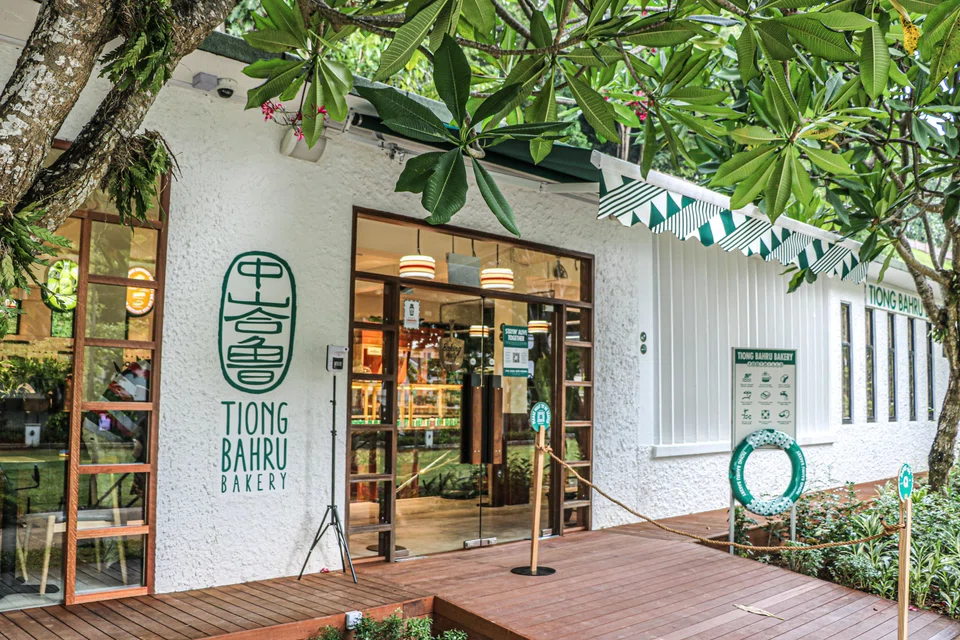
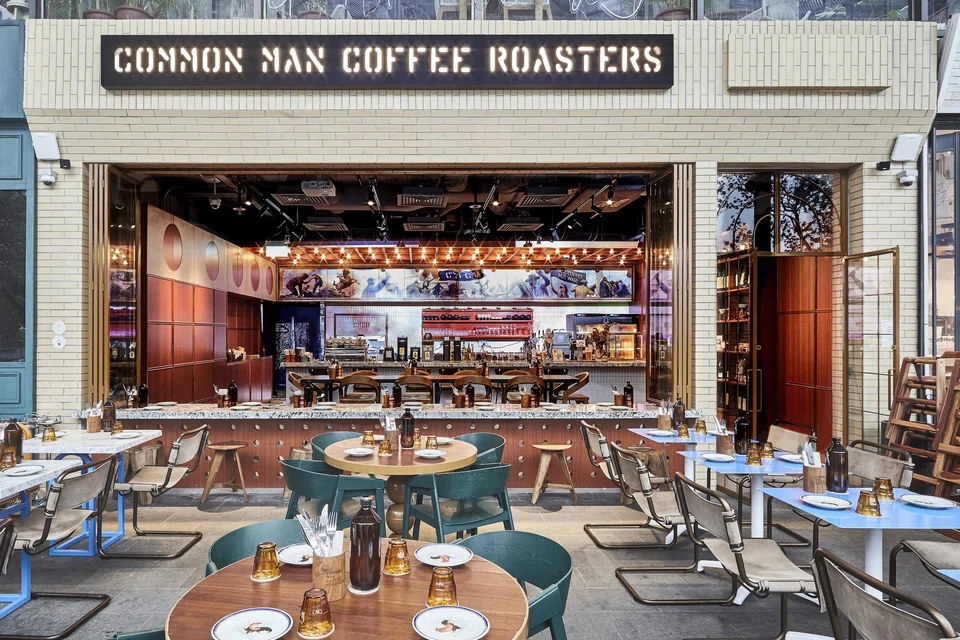
PHILIPPINES-LISTED food group Jollibee Foods Corporation has been growing its footprint in Singapore with investments in some of the Republic’s most recognisable food and beverage (F&B) brands – cafes Tiong Bahru Bakery and Common Man Coffee Roasters, and farm-to-table restaurant Open Farm Community, to name a few.
These brands were developed by homegrown beauty, F&B and lifestyle company Spa Esprit Group, founded by entrepreneur Cynthia Chua.
Jollibee Foods’ interest in these brands is indirect, held through Singapore-based private equity fund Titan Dining. The latter, part of the Jollibee Foods empire, “owns and operates” eight of Spa Esprit’s F&B brands, according to a release published on Jollibee’s website in September 2022.
The other brands that Titan has invested in are contemporary and fine-dining restaurants Bochinche, Tippling Club, Noka and The Butcher’s Wife; and online natural wine shop Drunken Farmer.
All the brands are present only in Singapore except Common Man Coffee Roasters, which has a branch in Kuala Lumpur.
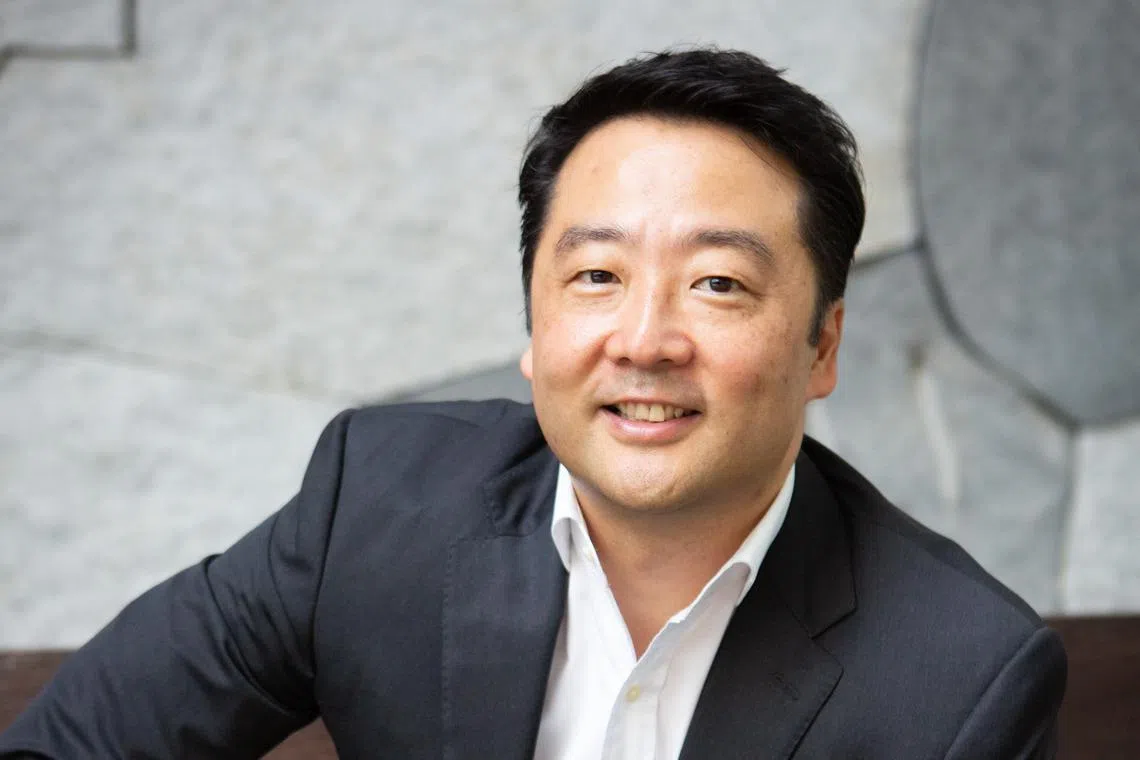
In an interview with The Business Times (BT), Richard Shin, chief financial officer of Jollibee Group, said his company has invested “a significant amount” into Titan.
“We respect our partnership with Titan and will continue to work closely together to grow the brands within the portfolio,” he added.
Titan also has investments in Spa Esprit’s wellness and beauty brands – hair removal salon chain Strip, eyebrow and eyelash grooming chain Browhaus, spa chain Spa Esprit and luxury intimate care brand Two Lips.
Strip and Browhaus have more than 80 outlets across markets including Singapore, Malaysia, Indonesia, the Philippines, Thailand, China and Hong Kong.
It was not disclosed when these investments were made.
In response to BT queries, Spa Esprit’s founder Chua said: “I am still a shareholder of (Spa Esprit Group), doing what I love on the creative (end), and bringing talents to the brand; and as a founder with ongoing ideas and brand development.”
Titan is also the master franchise holder of Hong Kong dim sum chain Tim Ho Wan in Asia-Pacific.
Jollibee first invested S$45 million in the private equity fund in May 2018, for a 45 per cent participating interest. It later increased its interest to 60 per cent, and then 85 per cent.
In August 2021, it bought out the remaining 15 per cent from Titan’s partners for S$71.6 million.
The group now holds 90 per cent participating interest in Titan through its unit Jollibee Worldwide, with the rest held by additional investors.
Shin said Jollibee will be globally expanding its brands under Titan through both company-owned stores and franchise partnerships. “We remain focused and extremely optimistic, given the heritage and beauty of our brands,” he added.
Tim Ho Wan operates 67 outlets in Asia, most of them franchised stores. Jollibee announced last September that it intends to “aggressively expand” Tim Ho Wan in mainland China and have 100 restaurant outlets within the next four years.
Titan’s fund size will be increased to S$350 million from S$250 million. This will fund Tim Ho Wan’s expansion and working capital requirements, as well as “facilitate the completion of other projects”, the group said. Of this amount, S$315 million is committed by Jollibee.
Strengthening global F&B portfolio
Beyond its investments in Titan, Jollibee has been busy adding more foreign F&B brands to its portfolio over the last few years.
Its major deals include fully acquiring American burger chain Smashburger in end-2018, and forking out US$350 million to buy 80 per cent of American coffee shop chain Coffee Bean & Tea Leaf in 2019.
“While we remain open to opportunities for acquisitions, we are very selective with these and assess them based on multiple factors, including superior taste, brand potential, scalability, and overall fit to the Jollibee Group portfolio,” Shin said.
Jollibee has also brought restaurant chain Panda Express and Japanese beef bowl chain Yoshinoya to the Philippines through joint ventures. It currently has eight wholly-owned brands and four franchised brands, on top of a majority stake in other brands such as Coffee Bean & Tea Leaf.
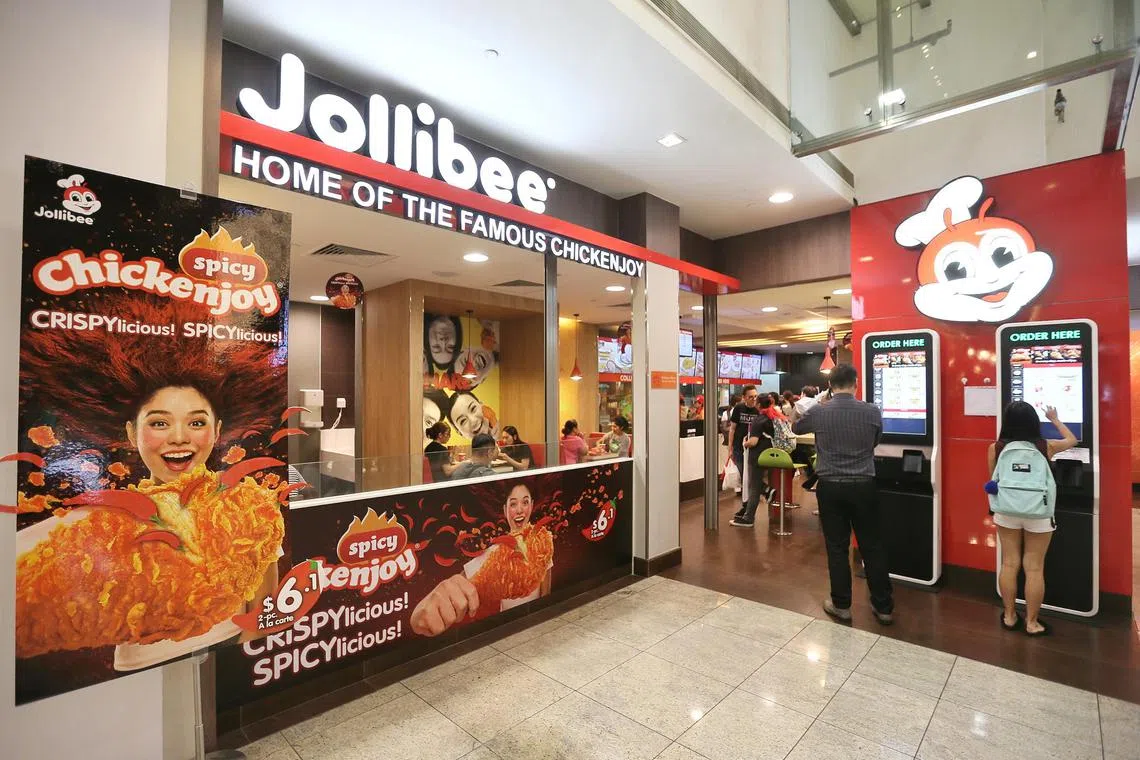
When asked about the opportunities the group sees in Singapore, Shin said the Republic was a “very unique market and lighthouse” for Jollibee.
“In addition to being a world-class city blessed with high GDP per capita and enviable disposable income, Singapore attracts a very high level of business and tourist travellers.
“We see these as opportunities to be present in Singapore and continue to invest in our key brands Jollibee, Coffee Bean & Tea Leaf, and Tim Ho Wan.”
Jollibee’s business outside the Philippines contributes over 40 per cent of the group’s total system-wide sales, he said. This includes both franchise and company-owned stores.
“We expect that this will increase as we continue with our expansion plans so that our international business will contribute at least 50 per cent to our sales, with Singapore helping drive that among other markets in Asia,” he added.
Shin declined to disclose Singapore’s exact contribution to the pie. He said the Republic remains “one of (its) strongest markets”, with over 18 Jollibee stores.
Jollibee has also made “considerable investments” here, he said, citing the example of the group moving Coffee Bean & Tea Leaf’s global headquarters from California to Singapore.
When asked if Jollibee is looking more at greenfield investments or the expansion of existing partnerships, Shin said the group will focus on “unleashing the potential” of its portfolio brands. Currently, 57 per cent of the group’s global stores are franchised.
Besides the Philippines, he pointed to North America and China as “key pillars” for Jollibee’s long-term growth, as it aims to become “one of the top five restaurant companies in the world”.
Shin also sees opportunities for the group to grow further in markets where it already has a presence, such as Vietnam, Malaysia, Singapore, the Middle East, and Hong Kong.
“We are fortunate that, across these markets, our flagship brand Jollibee has earned mainstream patronage from locals, and we are continuously looking for ways to make our food accessible by opening more stores and building digital platforms.”
Shares of Jollibee closed at US$4.27 on Wednesday (Jun 28) on the Philippine Stock Exchange, down 0.2 per cent or US$0.01.
TRENDING NOW

OCBC mobile, online banking services restored after Friday afternoon disruption

SGX CEO Loh Boon Chye to step down; succession planning under way

Waymo founder predicts ‘landslide’ robotaxi adoption in Singapore, driven by high car costs

Vietnam’s northern provinces, not Hanoi or Ho Chi Minh City, are powering near 10% GDP growth

