Keeping it in the family: Malaysia’s multi-generation businesses seek growth opportunities abroad
The leaders of three family-owned companies share their thoughts on competition, innovation and growth

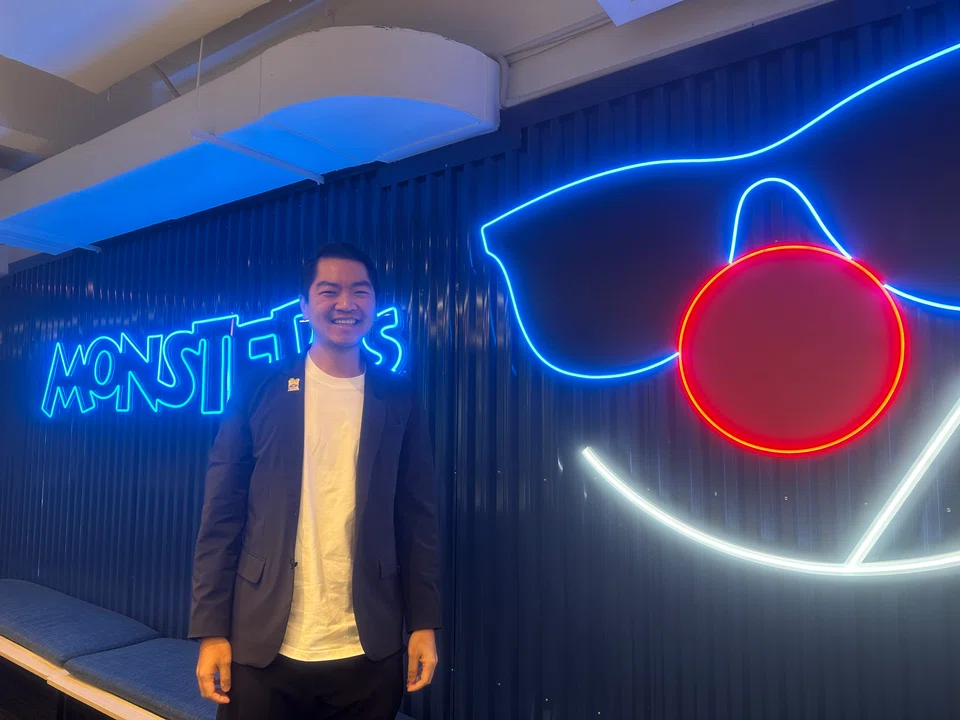
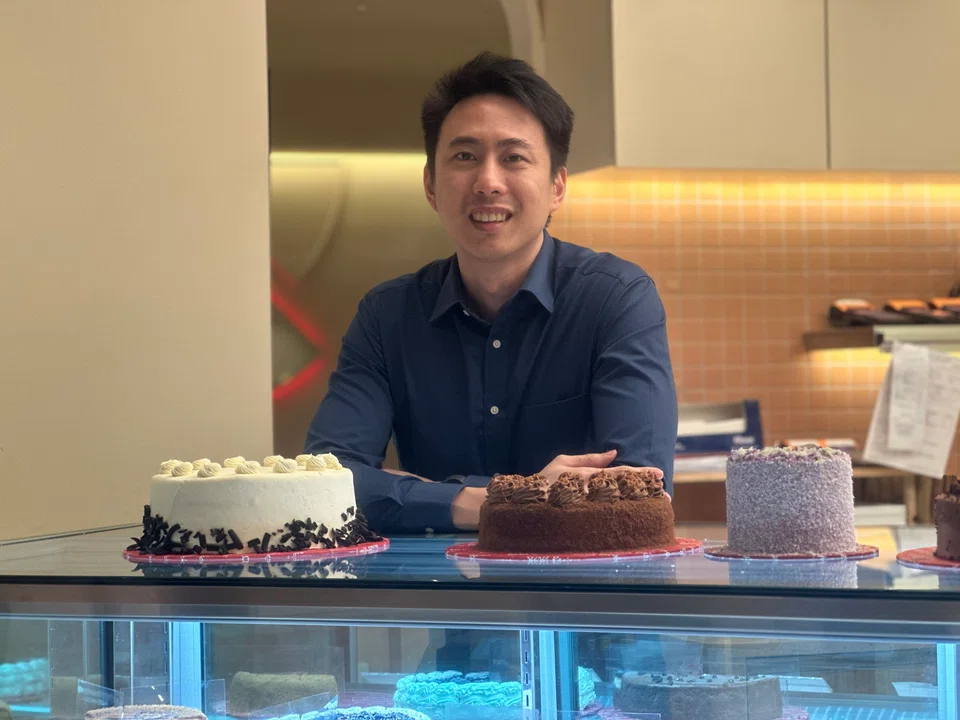
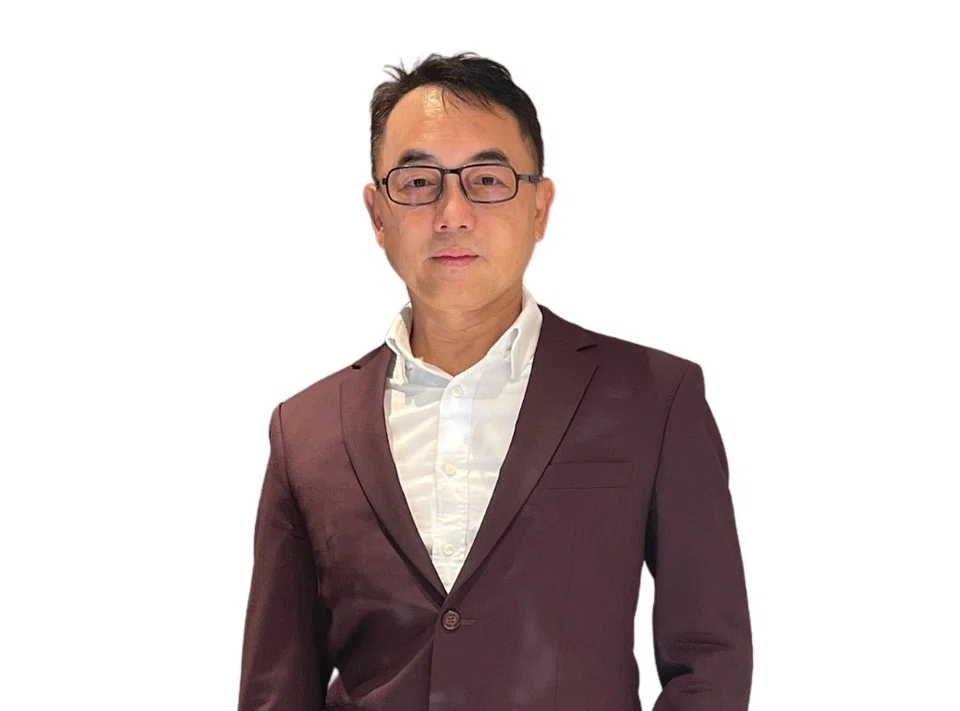
[KUALA LUMPUR] Running a family business is far from easy, given how different people will always have their own views on how a company should be run.
In Malaysia, there is a growing number of family-owned businesses that are now being led by the younger generation. The Business Times sat down with the chieftains of three – snack food manufacturer Mamee Double Decker, cafe chain Secret Recipe and cocoa manufacturer Guan Chong – to get their thoughts on staying competitive and profitable amid a challenging domestic and global environment, as well as their respective growth and expansion plans.
Thinking out of the box to stay relevant
For Mamee Double Decker’s Pierre Pang, one benefit of being part of a family-owned business is that the newer generation of leaders can sometimes be allowed to implement unusual ideas – and get away with doing so.
The CEO of the company – which manufactures, markets and distributes snack foods and beverages – recalled how he once came up with an “outrageous” suggestion: a bubble milk tea-flavoured instant noodle, which even he admitted some would find quite unorthodox.
“Do first, then ask for forgiveness later,” he said, noting that the eventual marketing campaign was a huge success, with the instant noodle becoming the talk of the town and a hit on social media.
Thinking differently and being bold to disrupt the market have been the key to Mamee’s success since its founder Pang Chin Hin – Pierre Pang’s grandfather – started the company in Melaka more than half a century ago, in 1971.
While it began as a manufacturer of instant noodles, business was not great as freshly cooked noodles were much cheaper than the instant version in Malaysia then.
The elder Pang came up with the idea of producing a snack type of noodle when he saw a group of children at a nearby rubber estate munching on Mamee’s instant noodles without cooking them.
Today, Mamee has a range of more than 50 products, including snacks, cakes, instant noodles and beverages.
Three generations on, the younger Pang noted that a greater awareness of the importance of a healthy diet today has led people to be more particular about what they consume, even as they continue to snack.
“People don’t only want tasty and nutritious snacks, but they are also attracted to a company’s brand image. Customer engagement is increasingly important to snack manufacturers like us,” he said.
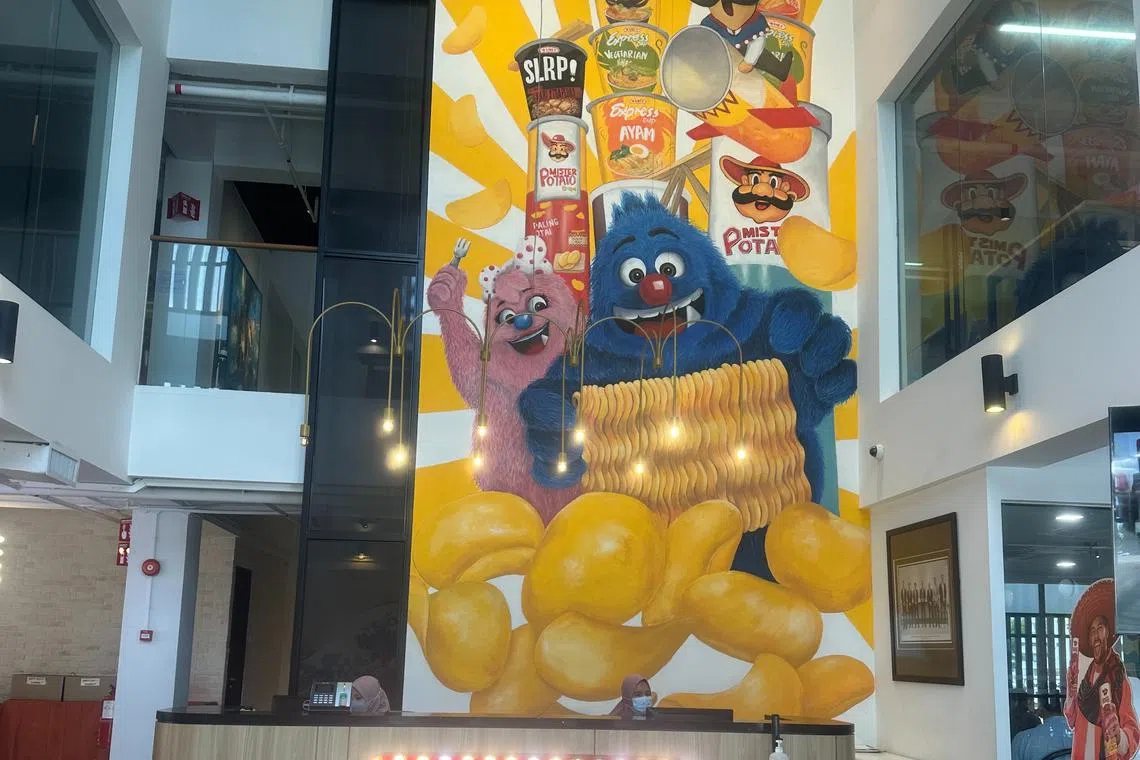
Estimates by Statista show Malaysia’s snack food market revenue was worth about US$3.4 billion in 2023. The market is expected to grow at a compounded annual growth rate (CAGR) of 7.8 per cent between 2023 and 2028.
Mamee is eyeing the market beyond Malaysia, too. Statista estimates that the global snack food market was worth US$539.3 billion in 2023, and the market is expected to grow at a CAGR of 6.3 per cent over five years.
With such potential, Pang said Mamee is also investing in a network of startups, including the US-based The Good Crisp Company and Singapore’s gourmet snack maker The Golden Duck.
The company is also growing its footprint in the US and Europe. Pang said there are plans to establish a new manufacturing plant in Mexico, and another in a European country that he could not reveal as yet. These projects are expected to be complete within the next two years.
“As a 52-year-old company, we are not afraid of competition as it keeps us moving forward and finding new opportunities,” he added.
Riding Middle Eastern demand for halal F&B
Secret Recipe had its beginnings as a small bakery in Selangor in 1997. Over the decades, it has evolved into a multinational food and beverage (F&B) franchise, with a presence in nine countries including Indonesia, Thailand and China. There are three outlets in Singapore: one at the HDB Hub in Toa Payoh, the second in VivoCity and the third in Plaza Singapura.
Helming the business is Patrick Sim from the second generation, who has worked at the company for 10 years, and became managing director in December 2022.
“The business was growing, and Secret Recipe was expanding fast during that period. I was ‘called to serve’, to help out the family business with my expertise in accounting and audit,” said the 35-year-old, who previously worked in one of the Big Four audit firms in Malaysia.
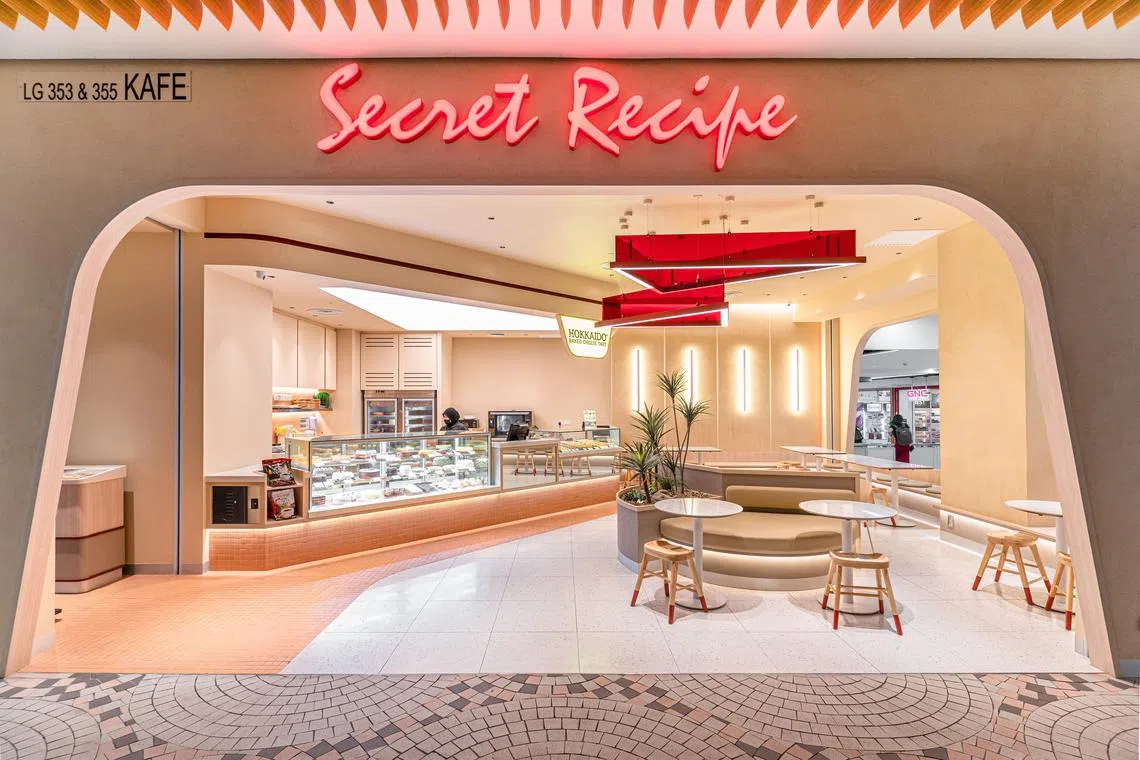
Sim described working with his uncle Steven Sim – the company’s founder – and other family members as a “rewarding journey”. He highlighted how they explored various opportunities for growth, including venturing into new markets and bringing in new brands to catalyse the business.
In the 26 years since its establishment, Secret Recipe’s revenue has grown over 190 per cent, crossing RM500 million (S$142.4 million). The number of outlets now stands at 365 in Malaysia and overseas.
In addition to its flagship Secret Recipe lifestyle cafe, the company boasts a younger brand – Hokkaido Baked Cheese Tart – that has sparked a craze among cheese and dessert enthusiasts.
In the near term, the younger Sim said the aim is to grow the number of outlets to 400 outlets by 2025.
“There is still room to grow amid intense competition in the F&B industry. We are eyeing second-tier cities (in Malaysia) that have strong demand for lifestyle cafes,” he said.
Secret Recipe is also working on entering the lucrative Middle East market, leveraging on the company’s vast experience as a halal-certified F&B business. “We are looking at countries such as Saudi Arabia, the United Arab Emirates and Turkey in 2024. We are also hoping to open more outlets in Bangladesh,” said Sim.
He pointed out that maintaining consistency in food quality and service standards remain huge challenges for the company. Secret Recipe will be placing a priority on enhancing these aspects as it forges ahead with its expansion.
“Even after 26 years, our cakes are still the driving force behind Secret Recipe’s success, contributing 50 per cent of the total revenue. The other half is from the F&B business,” he added.
Sim believes the company has successfully attracted a substantial Malay customer base, while Hokkaido Baked Cheese Tart has helped to draw a younger consumer demographic.
There are seven cheese-tart kiosks in Singapore, in addition to the three Secret Recipe branches. Sim said it is tougher to grow in Singapore at a fast pace due to the high operational costs there.
“However, we are actively exploring opportunities to expand the presence of (Hokkaido Baked Cheese Tart) in Singapore by establishing more kiosks,” he said.
Seeking a larger market share in Europe
As the largest cocoa grinder in Malaysia and the fourth-largest manufacturer of cocoa-derived food ingredients globally, Guan Chong is not resting on its laurels and is looking to grow its footprint overseas, especially in Europe.
Managing director and CEO Brandon Tay said consumers’ love for cocoa products – be it in Malaysia or anywhere else around the world – will never fade, and that will be key to its longevity in the years to come.
“We may be the largest in Malaysia, but we are still a distant number four in the world. We still need to grow our size to become a significant global player. We are not comfortable at where we are right now,” said the 58-year-old second-generation leader, who has helmed the company since 2000.
Originally a biscuit trading company, Tay’s father later ventured into the cocoa trade.
This led to the transformation of Guan Chong into a cocoa-grinding business. Established in 1985, the Johor-based company had just 1,200 tonnes of cocoa-grinding capacity per annum.
Today, it boasts a total annual grinding capacity of over 377,000 tonnes, with production facilities in Malaysia, Indonesia, Ivory Coast, the US, Germany and the UK.
The company’s cocoa ingredients, marketed under the Favorich brand, reach a global clientele through a distribution network comprising more than 80 distributors and agents in over 70 countries.
The Bursa Malaysia-listed company made its first foray in Europe in 2020 by acquiring the century-old Germany-based industrial chocolate producer Schokinag Holdings.
Together with its new manufacturing facility in the UK’s Suffolk county, Guan Chong now accounts for 116,000 tonnes of annual production capacity for industrial chocolates across Europe.
Tay said that entering Europe allowed the company to tap into a much larger market, and be physically closer to the cocoa bean-supplying countries in Africa.
“Europe is the largest chocolate consumption market globally, with the average per capita chocolate consumption being 5 kg annually as (at) 2022,” he pointed out.
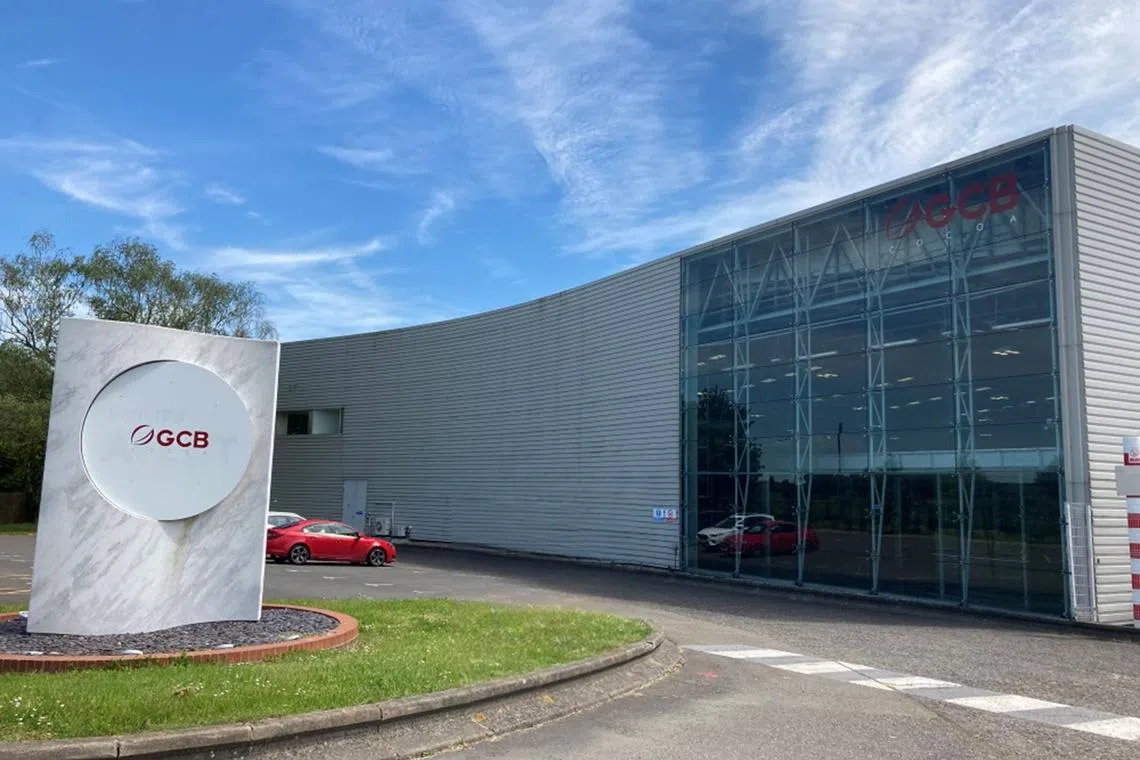
In Europe, the largest chocolate consumers are the Germans, with a per capita consumption of 11 kg annually, followed by Switzerland (9.7 kg) and the UK (8.1 kg).
Europe’s chocolate market was valued at 42 billion euros (S$61.2 billion) in 2022; this is expected to grow at an average annual rate of around 4.8 per cent between 2022 and 2027, according to the Centre for the Promotion of Imports from Developing Countries, an agency of the Netherlands’ Ministry of Foreign Affairs.
Besides expanding industrial chocolate production capacity, Tay said Guan Chong is also studying the possibility of adding more products, such as cocoa liquor, and different production capabilities, including the melting of cocoa butter.
“Our long-term target is to expand Guan Chong’s industrial chocolate market share in Europe. With this endeavour, we aim to bring our revenue to the next level of growth.”