


Keeping up with the ever-evolving retail landscape in Asean
 Add BT as a preferred source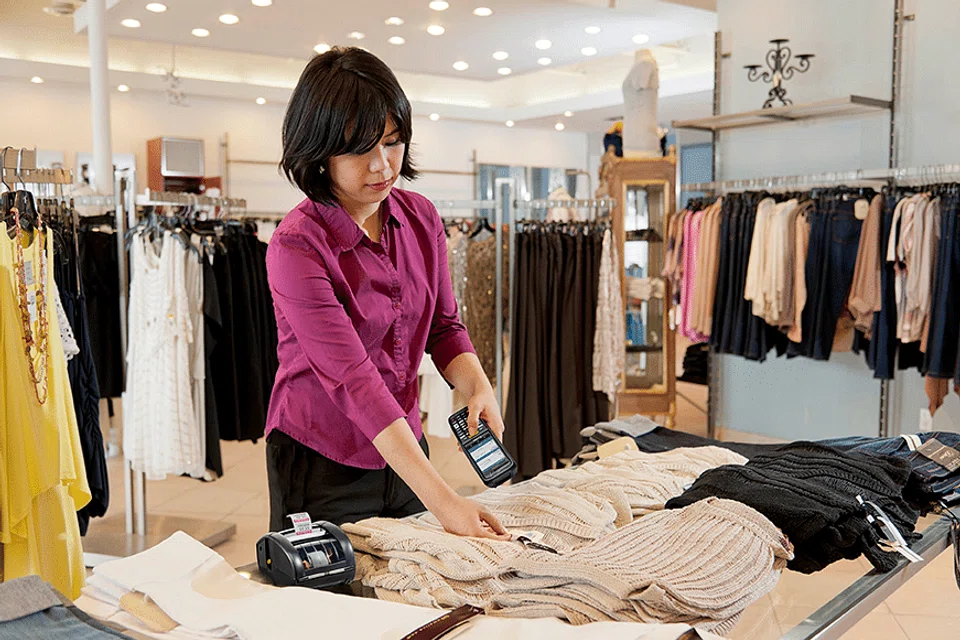
The year 2022 will see retailers and consumers adapting to the 'new normal' of retail as we enter the world of 'phygital shopping' - the convergence of physical and digital experiences in stores.
In countries like Singapore, 85 per cent of the population have purchased something from a brick-and-mortar store in the first quarter of 2021, which is higher than those (80 per cent) who have purchased something online during the same period. This suggests that while online shopping still lags behind in-store shopping, both options are still utilized by Singaporean shoppers. This is also consistent with other Asean countries like Vietnam and the Philippines, which are both experiencing online and in-store shopping growth. Retailers need to find ways to incorporate technology in more ways within the shopping experience to support a well-connected, omnichannel approach.
Retailers who can pivot and adapt to both seen and unforeseen disruptions can continue meeting and exceeding customer expectations. On the other hand, businesses that lack the flexibility to adjust to changes might risk customer disappointment, especially in current times where brand loyalty depends on the strength of the retailer's omnichannel experience.
Be at the forefront of technological innovation
Retailers that are slow to keep up with technological changes will be left behind. The Covid-19 pandemic has accelerated a trend of retailers ditching manual or legacy systems in favor of automated solutions. Investing in end-to-end solutions can transform retail operations by improving the customer in-store and online shopping experience. For example, over the last two years, Thailand's retail industry has adopted new technologies such as automation and intelligent robotics to improve productivity. Several restaurant and supermarket chains in Thailand even leverage robots to communicate with customers. These innovative ways of utilizing automation serve as an added advantage of improving customer experience while streamlining manpower needs at the same time.
As it is, Zebra's 14th Annual Global Shopper Study showed a large trust gap between shoppers and retailers, with more than half of decision-makers surveyed (55 per cent) believing they are completely trusted to fulfill online orders as promised. However, only 38 per cent of shoppers surveyed indicate complete trust in retailers. Additionally, 58 per cent of shoppers surveyed agreed that they usually find information faster than in-store associates, and further inquiry revealed customer satisfaction ratings with both in-store and online shopping experiences are not currently as high as retail decision-makers believe them to be. As such, retailers need to leverage technological solutions to keep up with renewed customer expectations and close the observed trust gap.
Navigate Asia in
a new global order
Get the insights delivered to your inbox.
The power of data
Although today's retailers actively collect data from many channels, data alone is not enough.
In the dawn of the big data era, understanding and acting on the data is key to helping retailers keep up with the rapid changes of the omnichannel world. Prescriptive analytics is one of the software tools that can equip retailers with the actionable insights they need to turn issues into opportunities in real-time. Powered by machine learning algorithms and artificial intelligence (AI), prescriptive analytics platforms identify patterns and trends in retail operations, including shopper behaviors. They then prescribe tasks to specific employees based on several calculations, including the best next action to take and who is best positioned, skilled or equipped to take that action to achieve the desired outcome.
Successfully harnessing the power of data will enable retailers to make the most appropriate and informed decisions and streamline operational workflows. With the introduction of automation solutions, retailers can drive greater speed and accuracy into the data capture, analytics and decision-making processes, making it easy for store associates to successfully answer customer questions and complete tasks, even if it's their first day on the job.
All in: Ensuring internal buy-in
To successfully facilitate the implementation of a new technology, it is critical to engage internal stakeholders throughout the planning and deployment process, from building awareness to demonstrating the tangible benefits of technological innovations.
Firstly, retailers need to communicate to stakeholders and store associates the ways that technology can value-add to their operations and processes. Forming a collaborative partnership between stakeholders early on allows for the timely integration of feedback and helps secure their buy-in, which is essential for success. Next, retailers should utilize data and a constant feedback loop to drive continuous operational improvement. By gaining deep, real-time insights into on-site execution and labor operations, businesses can uncover important performance and efficiency trends.
For example, 72 per cent of retail associates surveyed prefer to have automatically prescribed tasks for managing their day, as they are generally resistant toward reading reports or trying to figure out the right tasks for themselves. Is this something retailers would have known if associates had not been asked? Probably not. Yet, this type of information helps justify investments that add greater levels of intelligence into back-end and front-line store operations. It also reinforces just how much automation can help optimize store processes, enhance planning, and facilitate smoother workflows - all things that keep associates and customers equally happy.
Innovation and agility are key
Retailers must shift their current perspective and adopt an open stance toward technology to retain customer loyalty and a competitive edge as we move forward past the pandemic and aim to minimize the impact of supply chain issues on the shopper experience. The key to retail success is to embrace a culture of innovation, one that sees technology as a lever of growth and a way to simplify work for stores rather than something to be feared. For example, technology and automation will not reduce jobs but instead automate tasks to help humans be better at their jobs.
2022 will be the year when the value of automation and people harmonization will become apparent. By embracing technology, workers will become more efficient, and decision-makers will be relieved to see how the optimization of information flows smooth out and speed up workflows throughout the supply chain and in stores. By embracing technology, retailers in Asean can position their businesses for success regardless of what challenges arise in the future.
The writer is APAC Vertical Solutions Lead, Retail, at Zebra Technologies.
Decoding Asia newsletter: your guide to navigating Asia in a new global order. Sign up here to get Decoding Asia newsletter. Delivered to your inbox. Free.
Share with us your feedback on BT's products and services

