



Laos’ politically linked conglomerates dominate its small economy
Court disputes and family-linked finance underscore governance concerns for investors
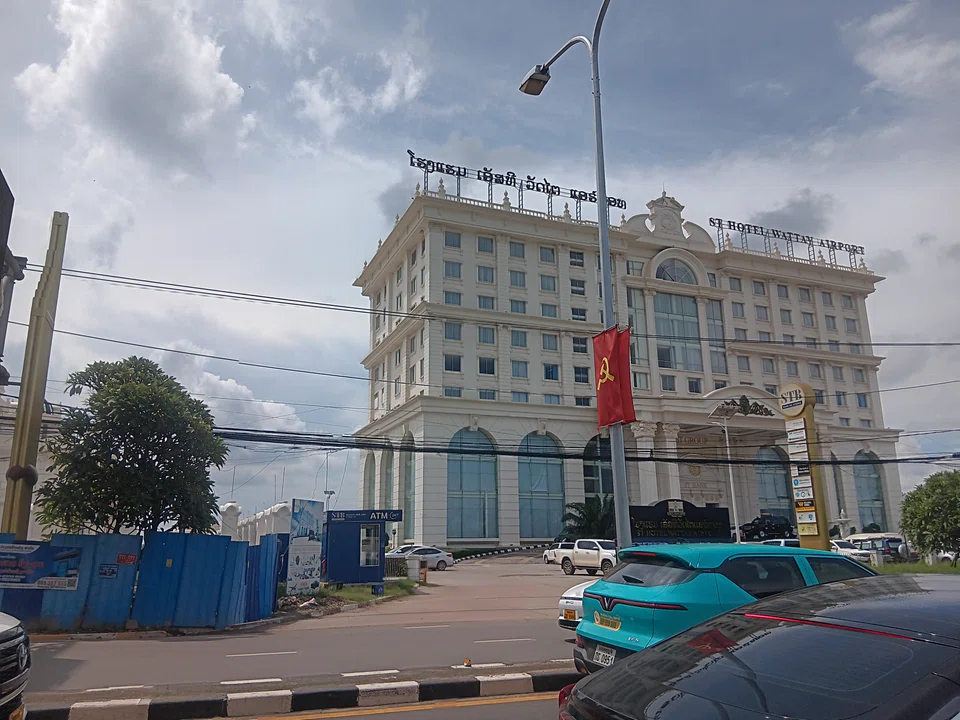
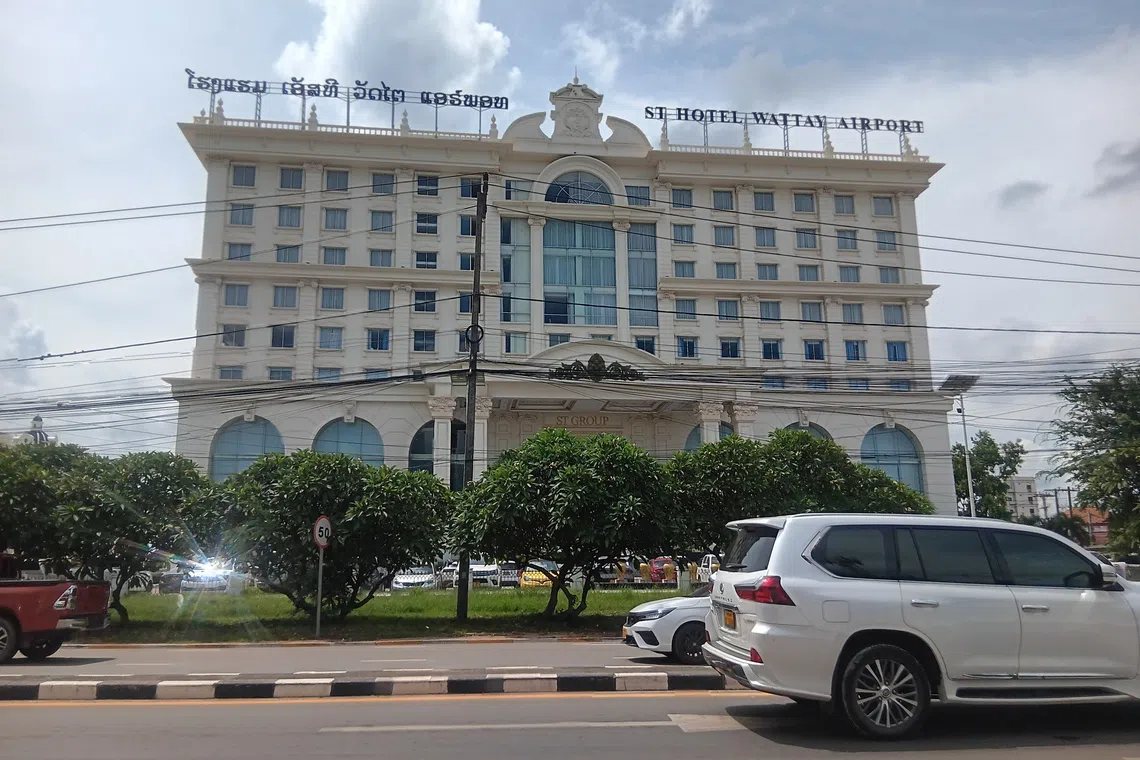
[VIENTIANE] Among Laos’ emerging private sector conglomerates, the ST Group is undoubtedly the most visible, having been subject to a decade-long arbitration case with Macau-based Sanum Investments that appears to have ended in its favour.
In December last year, the International Centre for Settlement of Investment Disputes (ICSID) rejected most of Sanum’s claims over the 2015 closure of the Ferry Terminal Slot Club, a joint venture with ST Vegas Group, awarding only about US$3 million in damages.
This followed a ruling in 2023 by the Macau-seated International Chamber of Commerce tribunal that ST Group – including ST Vegas – had breached multiple agreements with Sanum Investments. ST Group was then ordered to pay Sanum Investments about US$170 million in damages.
However, the Vientiane Commercial Court refused to enforce the payment, leading Sanum to bring the matter to the World Bank-affiliated ICSID, which subsequently dismissed most of its claims.
ST Group founder Sithat Xaysoulivong is said to have started his career selling rice whisky by boat on the Mekong River in Savannakhet Province, where he met his future father-in-law, former president Bounnhang Vorachit, who was then the provincial governor.
As Bounnhang’s star rose in the Lao Communist Party, Sithat shifted his operation to Vientiane where he expanded into duty-free shops, tobacco, trade, banking, real estate, hydropower plants and casinos.
Sithat may be the most colourful of Laos’ nouveau riche, but he is not alone – and his story is not wholly unique.
Other prominent Lao conglomerates include Phongsavanh Group (banking, telecommunications, logistics, trade), Chaleun Sekong Group (construction, cement and hydropower) and Phongsubthavy Group (construction, real estate and hydropower), according to Vientiane-based bankers.
“These local groups almost always started in construction as sub-contractors,” said Phongsavanh Phomkong, head of the International Finance Corporation’s (IFC) Vientiane office. “They do construction of the civil works for some big foreign hydropower companies, accumulate some wealth and then spread to other sectors.”
Another common trait among these groups is their provincial origins.
Many of these groups first won construction contracts in the countryside, where they built ties with local Communist Party officials – such as Bounnhang – who later rose to the Politburo and brought their business allies along, Vientiane-based sources said.
“These groups have to have government connections. Without connections, they don’t succeed,” said an economist at a multilateral organisation, who asked to remain anonymous.
However, this does not mean they lack strong creditworthiness.
In December 2023, the IFC led a US$46 million syndicated loan to Sitthi Logistics, a Lao private company that in 2020 won a 50-year concession to operate the Thanaleng Dry Port in Vientiane.
Sitthi Logistics was founded by Chanthone Sitthixay, the son-in-law of Od Phongsavanh, founder of the Phongsavanh conglomerate.
“For this particular project, we looked at the credit (standing) of the person involved, not the whole Phongsavanh Group,” said IFC’s Phongsavanh (no relation to the group).
“It’s quite difficult to conduct due diligence on some of the big companies, but not all,” said Aphixay Phoumavong, head of corporate banking at French bank BFL Bred in Vientiane.
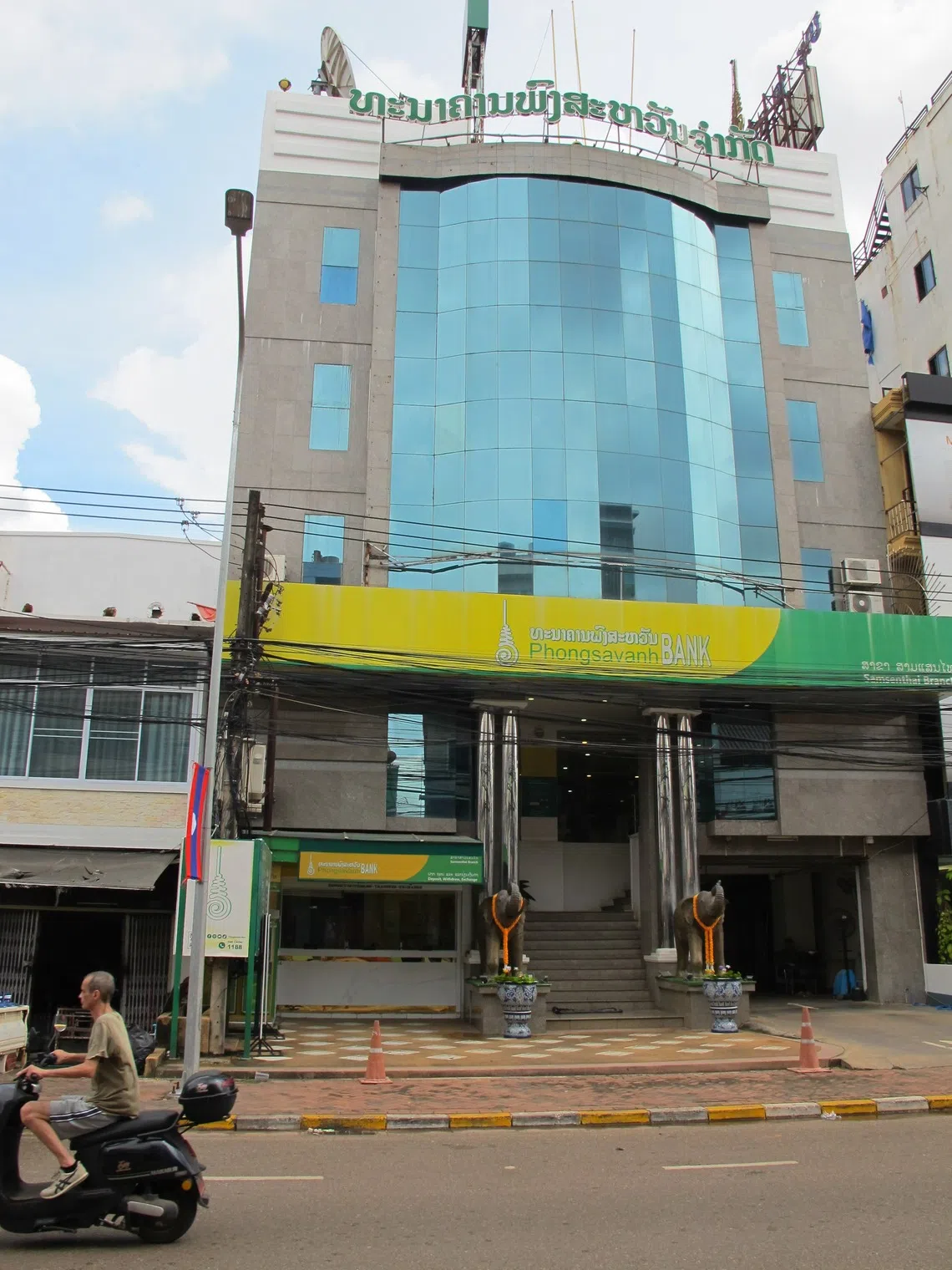
Phongsavanh Group started the country’s first privately owned bank in 2007 with a focus on SME (small and medium-sized enterprise) lending. Last year, the bank’s total assets stood at US$506 million.
“Fortunately, the Phongsavanh Group had the right elements for us to properly assess the creditworthiness of the company,” he added. BFL Bred is the only European bank with a presence in Vientiane.
None of these groups are listed on the Lao Securities Exchange, which has just 10 listed companies, so due diligence largely relies on reviewing their books and assessing risks on a project-by-project basis.
Energy conglomerates Chaleun Sekong and Phongsubthavy have both branched out into small hydropower plants, tapping the Thailand market for electricity, paid for in baht or US dollars, not Lao kip.
“The dams they have built have sales contracts with Thailand, so there is potential to tap into that, after due diligence,” said Aphixay.
Given the political connections of these groups, political risks are a concern.
“As a European bank, we have to meet the key performance indicator compliance from Europe,” said Nicolas Pluchart, commercial director, BFL Bred. “And we want to imprint our compliance level on the projects. The strategy of BFL is to only finance the real economy,” he said.
Meanwhile, these big Lao groups have moved into banking.
Phongsavanh Bank, established in 2007, was one of the country’s first private banks and now has more than 40 branches.
The ST Group has ST Bank (eight branches). In 2021, the Lao government decided to sell 70 per cent stakes in two government-run banks, Lao Development Bank (LDB) and Agriculture Promotion Bank (APB), which were bought by Chaleun Sekong and Phongsubthavy, respectively.
Laos has few restrictions on banks’ lending to their own subsidiaries or affiliates.
In addition, there are no sizeable venture capitalist operators in Laos, no private equity funds to speak of, and limited bank lending to SMEs.
The startups and SMEs run by the offspring of the big groups tend to have more access to finance than the unconnected, creating a “big get bigger” scenario for the economy, where the established firms dominate growth opportunities and few new players emerge, bankers say.
“For Laos, there are some big companies on the top, and then lots of small companies (on the bottom). The middle is missing,” said IFC’s Phongsavanh.
TRENDING NOW

First Resources blames El Nino, outside fires for Kalimantan hotspots amid haze scrutiny

High Court rules against Julius Baer’s Singapore trust arm in US$50 million family trust dispute

Singapore key exports jump by higher-than-expected 68.4% in September, led by non-electronics

MSCI proposes standalone status for Indonesia; Jakarta stocks plunge 8%

