



Malaysia Aviation Group acquires 10 Boeing 787-10s for long-haul fleet renewal
Deliveries begin in 2032 with potential routes that include London, Paris, Sydney, Melbourne and Tokyo

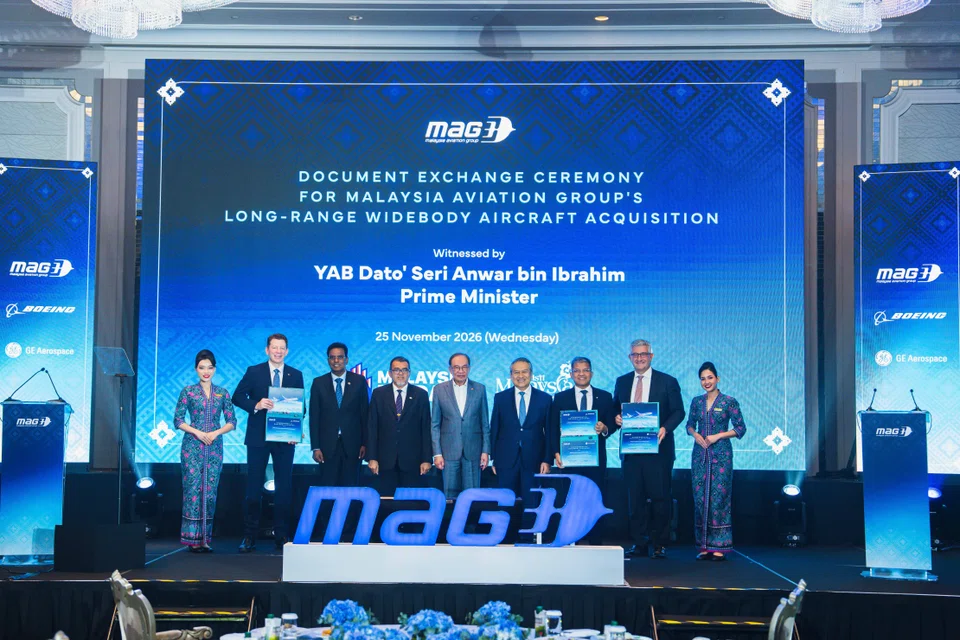
[KUALA LUMPUR] Malaysia Aviation Group (MAG) has committed to buying 10 Boeing 787-10 Dreamliners with options for six more. Valued at US$9.3 billion at catalogue price, they will replace Malaysia Airlines’ (MAS) seven Airbus A350s between 2032 and 2035 as global aircraft delivery slots tighten.
Deliveries are scheduled between 2032 and 2035. MAS’ seven existing Airbus A350-900s, which will then be 13 to 15 years old, will be phased out over the same period, MAG president and group chief executive Nasaruddin A Bakar said on Wednesday (Nov 25).
Speaking at the acquisition agreement exchange ceremony, Prime Minister Anwar Ibrahim said the deal will strengthen MAS’ capabilities and help it regain its footing.
He added that Boeing’s involvement reflected confidence in MAG, while pledging continued government support for the group through sovereign wealth fund Khazanah Nasional.
Speaking to reporters after the ceremony, Nasaruddin confirmed that the US$9.3 billion pre-discount valuation covers all 16 aircraft and their engines, though he declined to disclose the actual purchase price.
Configured with 319 seats across three classes and powered by GE Aerospace’s GEnx-1B engines, the jets will make MAS the first Malaysian carrier to operate the Dreamliner. The Boeing 787-10 Dreamliner is the largest variant in Boeing’s 787 family, built for high-capacity regional and medium to long-haul routes

MAG plans to deploy the larger widebodies on selected long-haul routes to boost capacity and operating efficiency.
Nasaruddin said delivery slot availability was one of several factors behind choosing Boeing over Airbus, alongside 15-year network fit, passenger experience, and aircraft and engine operating economics.
“Globally, about 18,000 aircraft have been ordered across the industry, so it is important for us to confirm this order today because availability is only going to get tighter down the line,” he said.
SEE ALSO

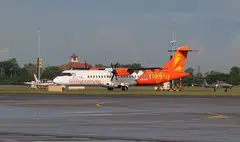

The Dreamliners will underpin MAG’s long-term business plan, which projects a 5 per cent compound annual growth rate.
“Our capacity year-on-year over the last two years has increased by 12 per cent to 18 per cent. This year alone, we increased our capacity by 12 per cent year-on-year from last year,” Nasaruddin noted.
On financing, he said MAG is keeping its options open, potentially using sale-and-leaseback arrangements, operating leases or finance leases.
Existing routes come first
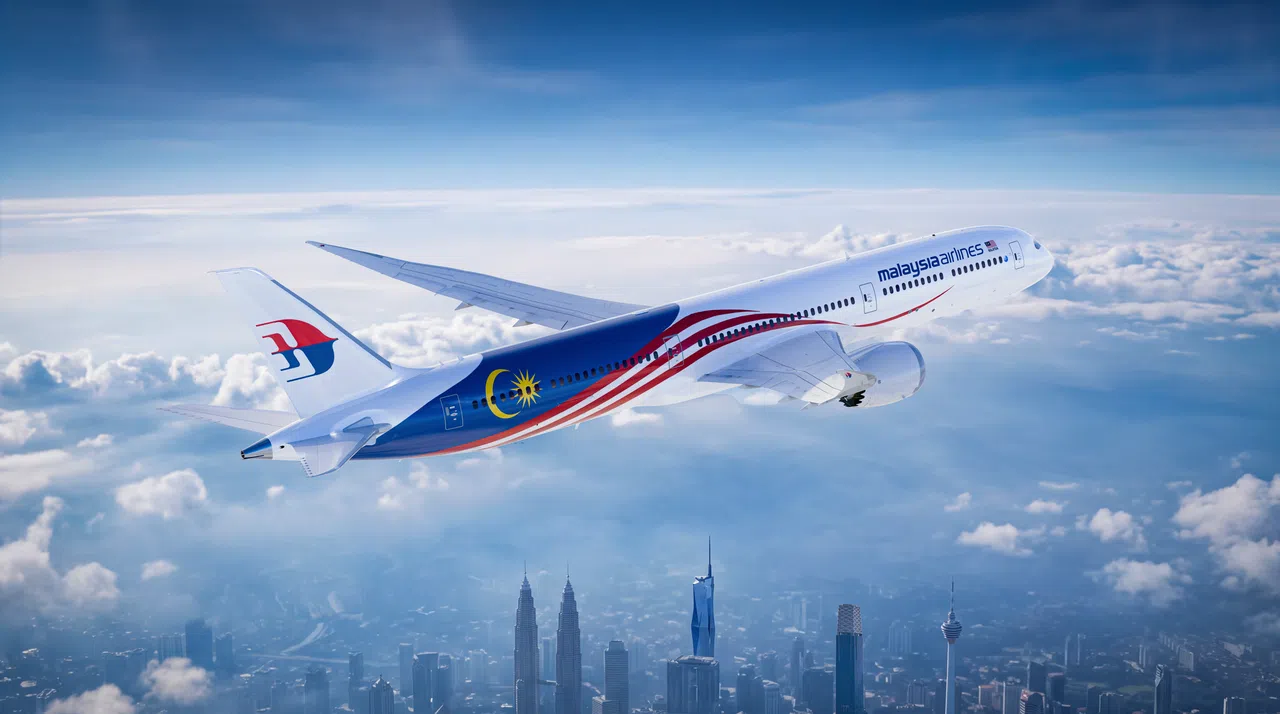
The Dreamliners are initially intended for the airline’s existing network. MAG identified London, Paris, Sydney, Melbourne, Tokyo, Osaka and Seoul as potential markets, with deployment to depend on future network plans and operating requirements.
While the expanded widebody fleet gives MAS room to grow beyond the constraints of its seven A350s, Nasaruddin stressed that the group will take a disciplined approach to adding destinations amid elevated fuel prices.
MAG has already cut about 6 per cent of its planned capacity this year due to higher fuel costs, he said.
Asked whether the more fuel-efficient jets could lead to cheaper tickets, Nasaruddin said the operating savings would help contain costs, while an upgraded cabin product could support higher yields, though fares will ultimately remain dictated by supply and demand.
The widebody order anchors a broader fleet renewal that will expand MAG’s group-wide fleet (including cargo operations and regional carrier Firefly) from roughly 101 aircraft today to 129 by 2035, with potential delivery delays already factored into its planning.
In the narrowbody segment, MAS holds commitments for 55 Boeing 737 MAX jets via direct purchases and leases (comprising 43 737-8s and 12 737-10s) with remaining deliveries due by 2030. The carrier currently operates 19 737-8s alongside its older Next-Generation 737s.
Separately, MAG extended its agreement with GE Aerospace for Fuel Insight and FlightPulse, software tools used to track fuel performance and identify efficiency gains.
Decoding Asia newsletter: your guide to navigating Asia in a new global order. Sign up here to get Decoding Asia newsletter. Delivered to your inbox. Free.
Copyright SPH Media. All rights reserved.
TRENDING NOW

Jensen Huang is gone. Nvidia’s controls still need explaining

Prive liquidators meet with creditors a year after restaurant group’s shutdown

Grab eyes financial services arm as next growth engine, targets US$500 million in segment Ebitda by 2028

Hong Leong completes 3-year overhaul of flagship building, business operations

