Malaysia to chair special Asean meeting on Thursday as US tariffs rattle region
Member states have also initiated internal discussions to align on their positions


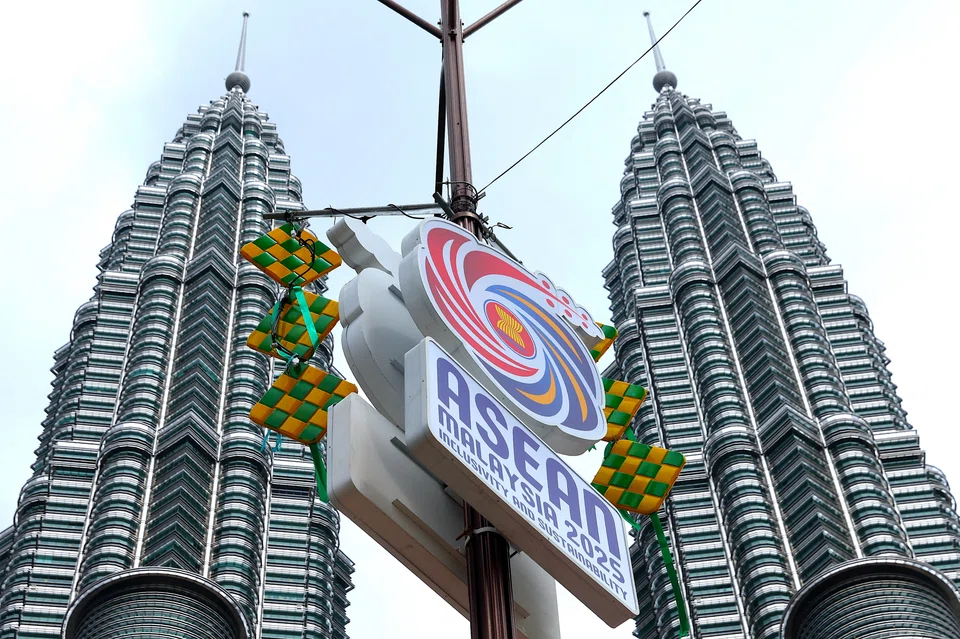
[KUALA LUMPUR & JAKARTA] Malaysia will chair a special Asean Economic Ministers’ meeting on Thursday (Apr 10) to address the impact of newly imposed US tariffs on regional trade and investment, and to coordinate a collective response, said its Minister of Investment, Trade and Industry Tengku Zafrul Aziz on Monday.
The move follows US President Donald Trump’s announcement on Apr 2 of reciprocal tariffs, including a 24 per cent levy on Malaysian goods.
Malaysia’s Ministry of Investment, Trade and Industry (Miti) has set up a task force to assess the fallout and gather feedback from stakeholders in both the public and private sectors.
Tengku Zafrul said that a sectoral impact study will be presented to the National Geoeconomic Command Centre (NGCC), chaired by Prime Minister Anwar Ibrahim, next week.
The NGCC will deliberate on the findings and determine the appropriate course of action, he added.
Ahead of Thursday’s meeting, Asean countries have initiated internal discussions to align on their positions.
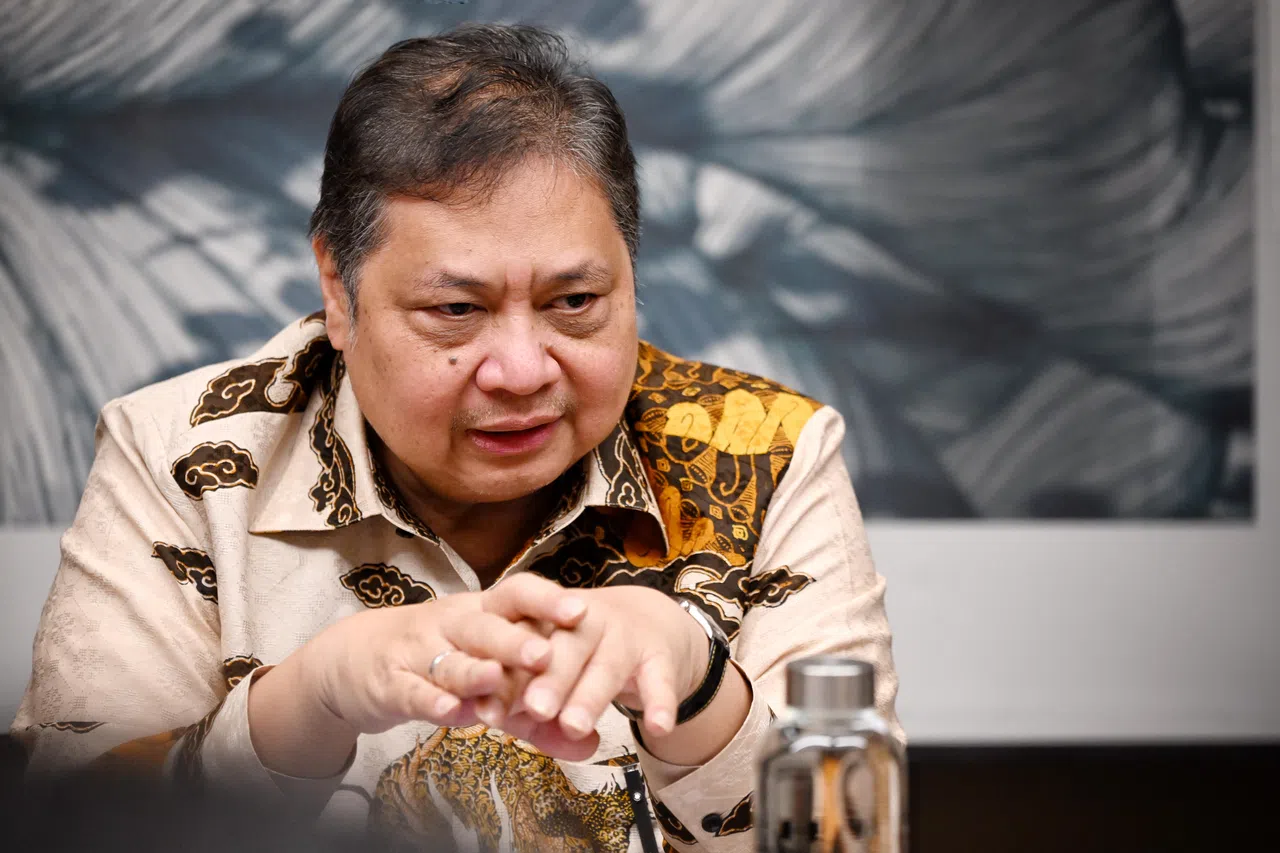
In Jakarta, Indonesia’s Coordinating Minister for Economic Affairs Airlangga Hartarto said that Asean countries are seeking to amend their trade agreement with the US to address the newly imposed tariffs and reduce non-tariff trade barriers, which includes increasing the imports of American goods.
He noted that Indonesia and Malaysia are spearheading an initiative to modernise the 1996 Trade and Investment Framework Agreement (Tifa), as it no longer reflects contemporary trade realities.
“We aim to include several new policies in the updated Tifa, including non-tariff measures, tariff adjustments, and import enhancement strategies,” he said on Monday.
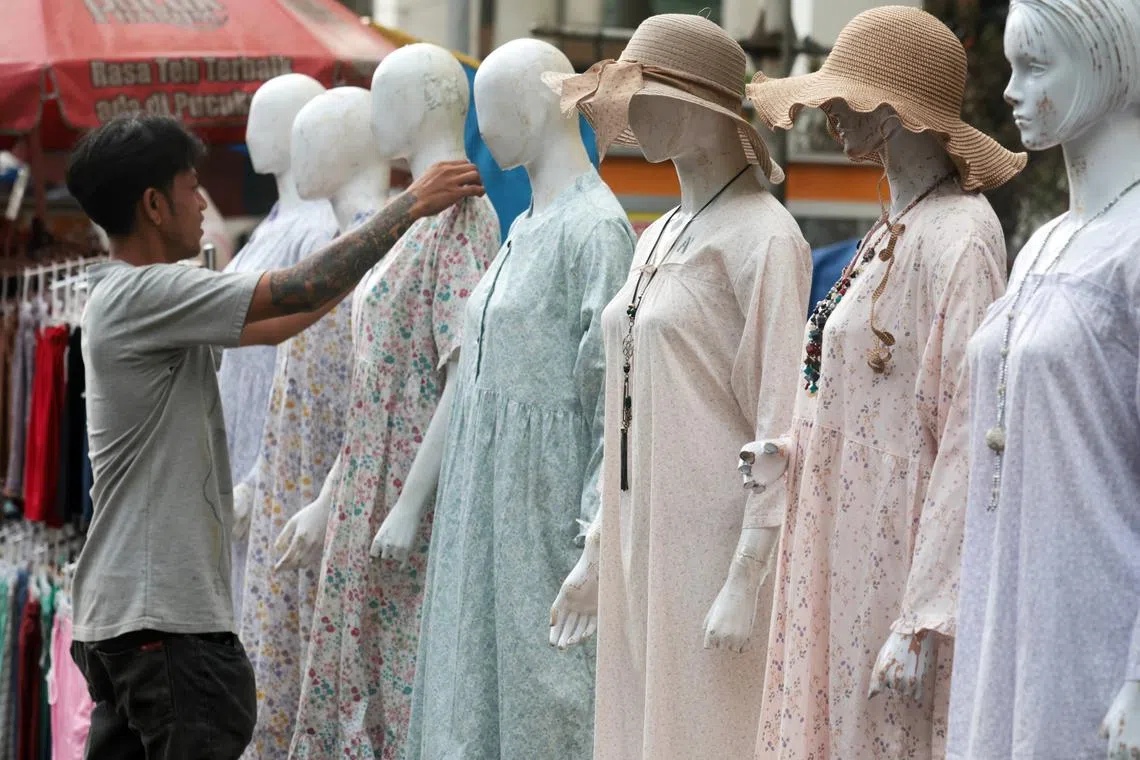
The minister noted that Indonesia is looking to increase imports from the US – such as wheat, cotton, and energy products – to reduce its trade deficit. For many of these goods, Indonesia’s import tariffs are already at or near zero.
The country is facing 32 per cent tariffs, with the footwear and apparel industries set to be affected the most.
Airlangga emphasised that Asean’s approach should be centred on negotiation, not retaliation.
“Almost all Asean countries have chosen not to retaliate. Vietnam, in fact, has reduced all its tariffs to zero. Malaysia has also opted for negotiations, as have Cambodia and Thailand,” Airlangga added.
Tengku Zafrul: Malaysia tariff only 5.6%, not 47%
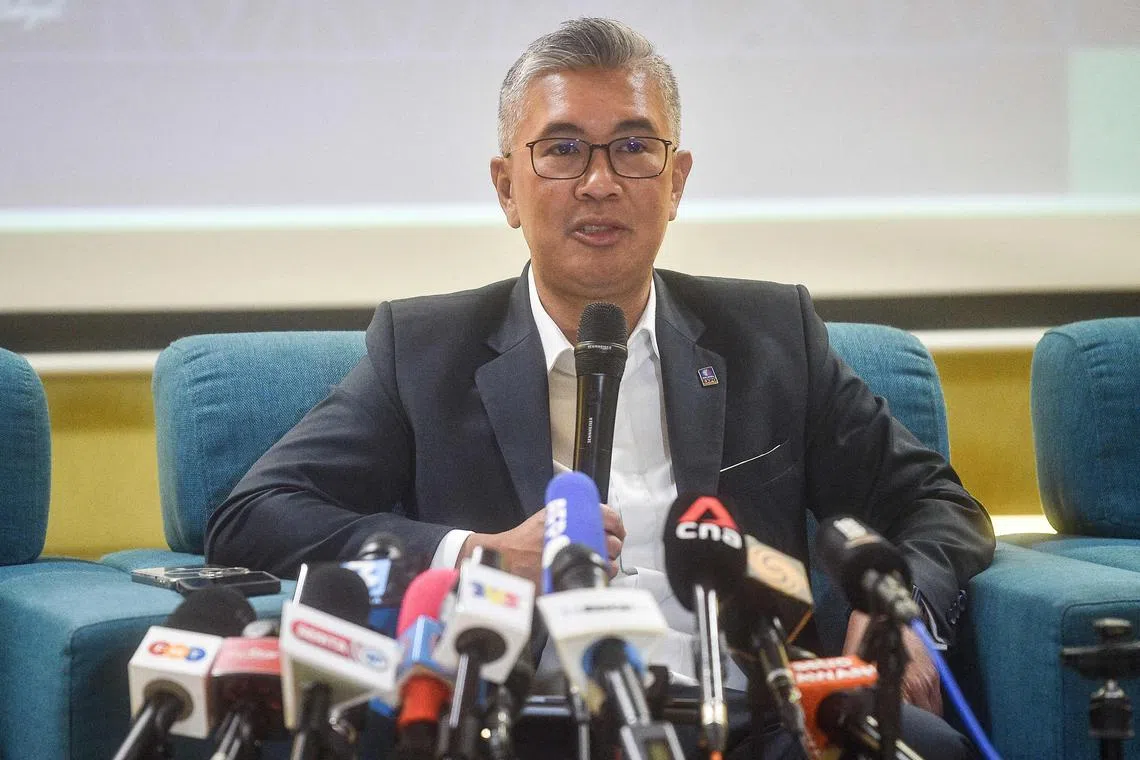
At the media briefing in Kuala Lumpur on Monday, Tengku Zafrul denied Washington’s claim that Malaysia imposes a 47 per cent tariff on US exports, calling it “inaccurate and misleading”. He said the actual rate is 5.6 per cent, based on Malaysia’s average “most favoured nation” tariff.
“We sought clarification from the US ambassador this morning,” he noted, adding that a formal request for face-to-face talks has been sent to Washington, with the hope that officials of both countries can meet before end-April.
“We are fully committed to securing a favourable resolution that preserves market access, attracts continued foreign investment, and protects Malaysian workers and businesses. For now, Malaysia will not take any retaliatory action,” Tengku Zafrul said.
The US tariffs target exports from other Asean countries as well, with Cambodia, Laos, Myanmar and Vietnam facing crippling tariffs of between 44 and 49 per cent, while Brunei and Thailand have been hit with tariffs of 24 per cent and 36 per cent, respectively.
Even the Philippines and Singapore, though less affected, face tariffs of 18 per cent and 10 per cent, respectively.
Diversifying export markets
Beyond engagement with the US, Malaysia has proactively diversified its export markets to other regions, including the Middle East, Africa, and South America, said Tengku Zafrul.
Miti’s efforts include maximising the use of existing free trade agreements (FTAs), such as the Comprehensive Economic Partnership Agreement signed with the United Arab Emirates in January. The agreement is expected to boost bilateral trade by up to 60 per cent over five years.
Malaysia also resumed FTA negotiations with the European Union and South Korea last year, Tengku Zafrul added.
He further emphasised the untapped potential within Asean itself, noting that intra-Asean trade currently accounts for less than 25 per cent of total regional trade.
Review of official GDP forecast
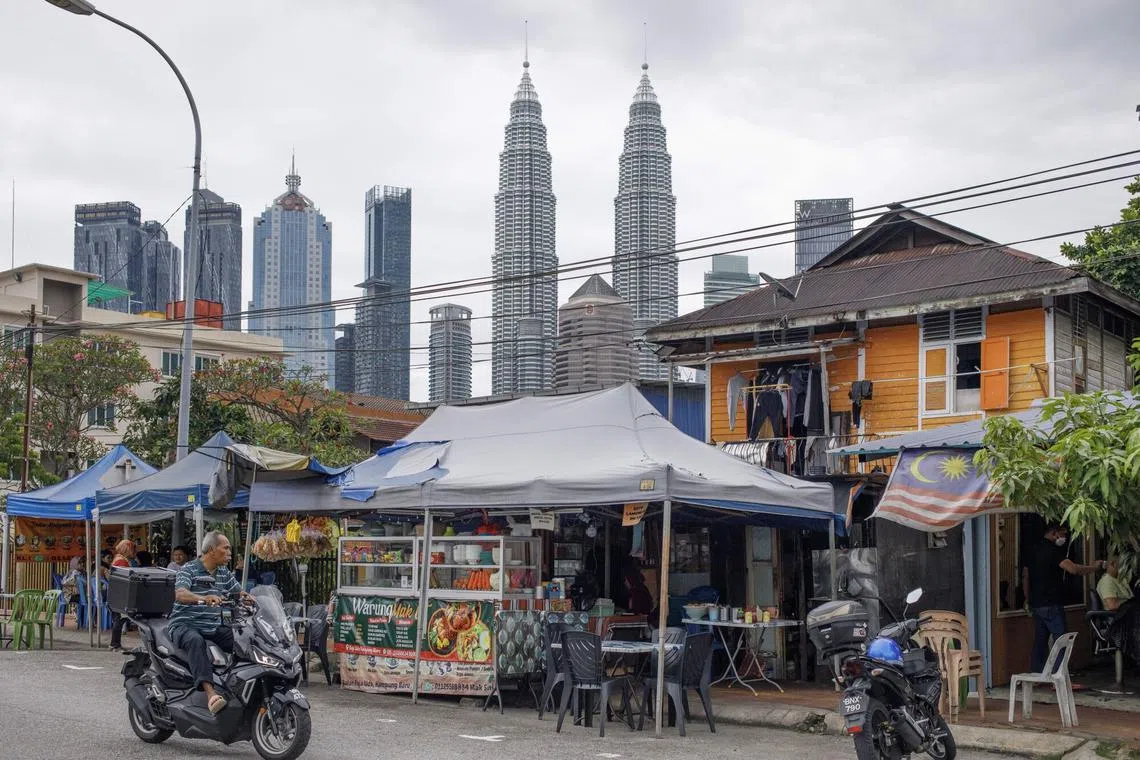
Although Malaysia’s exports to the US accounted for only 18 per cent of its total exports in 2022, he noted that the implementation of tariff policies will have broader repercussions on the global economy, potentially weakening external demand.
As a result, the government plans to revisit its 2025 gross domestic product growth forecast of 4.5 to 5.5 per cent, after the completion of a more detailed impact assessment, said Tengku Zafrul.
He noted that, despite the external pressures, Malaysia’s domestic economy remains resilient, underpinned by strong local consumption, which contributes more than 60 per cent to the country’s GDP.
“Domestic investment is strong, and tourism revenue is solid; we will double down on the execution of macro blueprints such as the New Industrial Master Plan,” he added.
Malaysia’s stock market extended its decline on Monday, reflecting widespread losses across Asia after Washington’s tariff move.
The benchmark KLCI closed at 1,443.8, down 4 per cent, with more than 5.3 billion shares traded. Decliners outpaced gainers 1,296 to 122.
By 5 pm, the ringgit was trading at 4.471 against the US dollar, a depreciation of 0.8 per cent from the day before.