



Malaysia eases VEP enforcement, bringing relief to frustrated car owners in Singapore
Delay to full enforcement follows complaints from Singapore motorists about the lengthy delays in the application and issuance of the permits

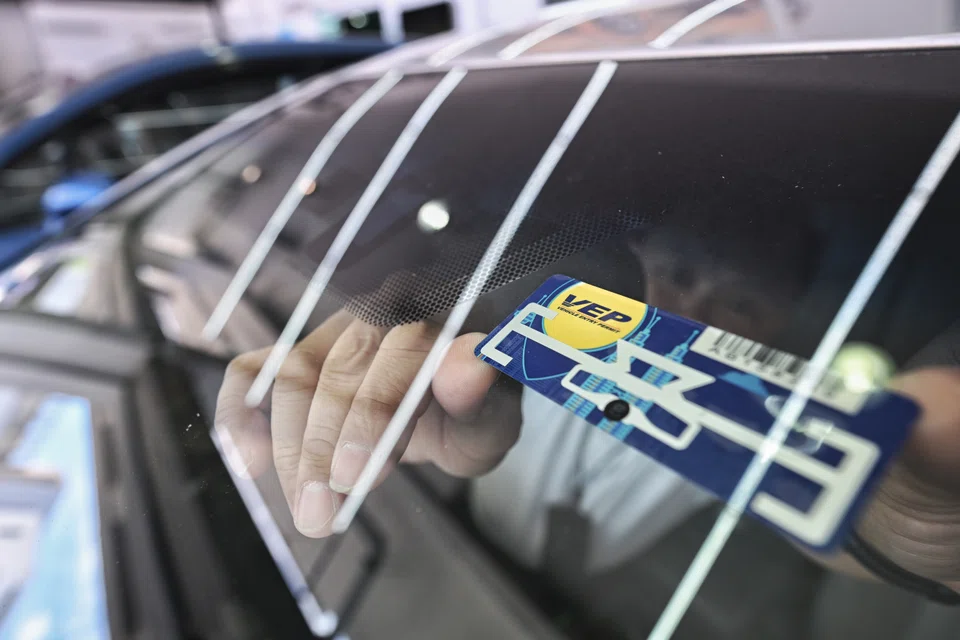
[KUALA LUMPUR] Over the past few weeks, thousands of drivers of foreign-registered vehicles – mostly from Singapore – have expressed frustration and anger over the muddled process to obtain a Vehicle Entry Permit (VEP) that they need when driving into Malaysia.
From Tuesday (Oct 1), Malaysia will begin enforcing the VEP in phases, although the authorities have said they will still allow vehicles without it to enter Malaysia as usual.
Aedy Fadly Ramli, the director-general of Malaysia’s Road Transport Department (JPJ), did not provide a clear timeline on the phased implementation, leaving frustrated motorists with more questions than answers.
As of Sep 25, 62,635 Singapore-registered private vehicles had already activated their VEPs. Thousands more are still waiting for updates on their application process or to receive their VEP.
Each permit contains an RFID tag that enables the Malaysian authorities to identify a foreign-registered vehicle on the country’s roads. The VEP can also be used to pay road tolls, and officials can use it to track a vehicle’s traffic offences and unpaid summonses.
Under the rules, those found without a valid permit can be denied entry into Johor or fined up to RM2,000 (S$622).
On Sep 27, just days before the stated deadline to obtain the permit, the JPJ announced that it would allow vehicles without it to enter Malaysia, although drivers would be issued reminders and warning notices to register and install the tags as soon as possible.
The decision to delay the full enforcement was likely a result of numerous complaints from Singaporean motorists about the lengthy delays in the application process and the issuance of the VEPs.
Many drivers had taken to social media and other platforms to express their anger about the unclear application process, the limited availability of appointment slots to collect the VEPs, and an overall lack of information about what to do and whom to contact.
For many drivers, travel plans have become uncertain or been disrupted, and this has raised plenty of concern over the overall effectiveness of the VEP system.
With the phased enforcement plan announced, Singaporean drivers like Miki Leong, a 42-year-old auditor, were relieved to know they can still continue entering Johor without facing a penalty, even without the VEP.
“My husband and I drive to Johor every weekend to visit our parents. We have already informed them we might not be able to visit as often due to the challenges in obtaining the permit. We were even considering using public transport for future trips,” she said.
She said she will continue trying to get her application for the permit approved, because she is concerned that the stricter enforcement could kick in at a moment’s notice.
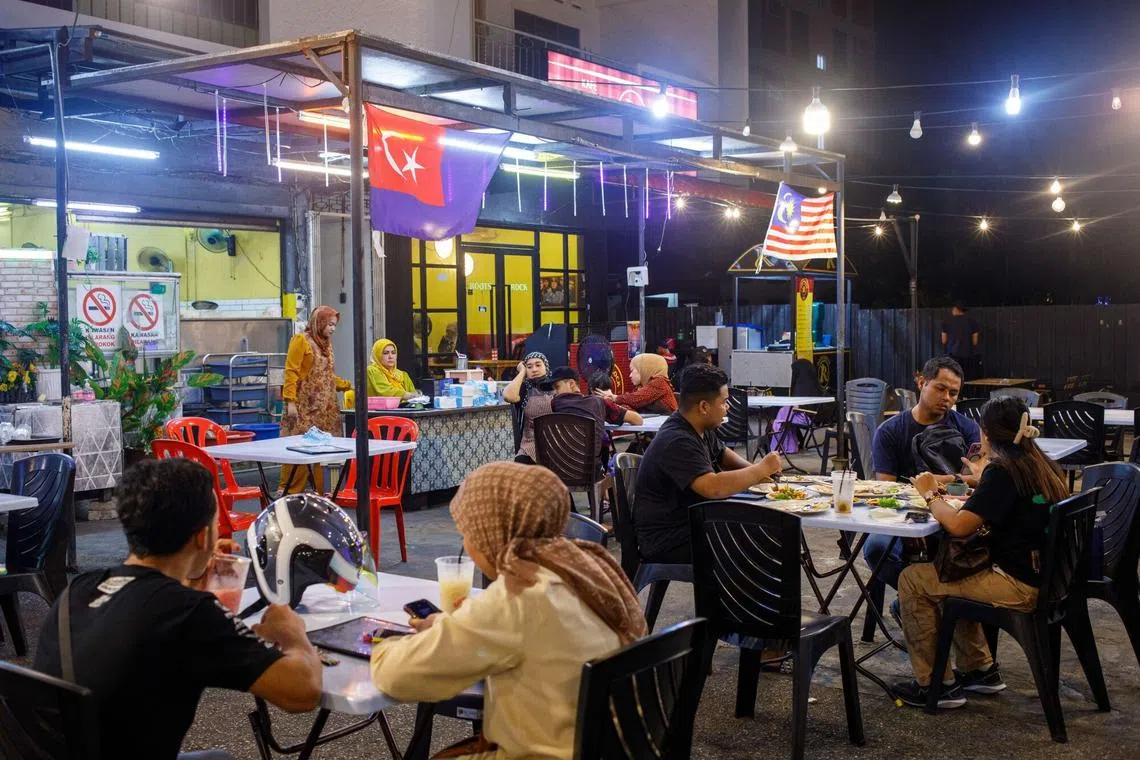
Another motorist from Singapore, Samuel Chua, said he was unsurprised by the decision to delay the VEP enforcement. A full implementation would affect businesses in Johor Bahru if the number of cars entering the city is reduced significantly.
He first applied for a VEP in 2022, but had his application approved only earlier this year. He was informed that the RFID tag would be posted to his Singapore address, but nothing has showed up yet.
Andrew Low, a Malaysian who runs a car wash and detailing service in Johor Bahru, expressed relief because the reprieve means his customers from Singapore can still show up at his shop for the time being.
“(Prior to the Sep 27 announcement of the delayed enforcement), some customers already alerted me that they might not be able to visit Johor Bahru if they couldn’t get the VEP,” he said. About six in 10 of his customers are from Singapore.
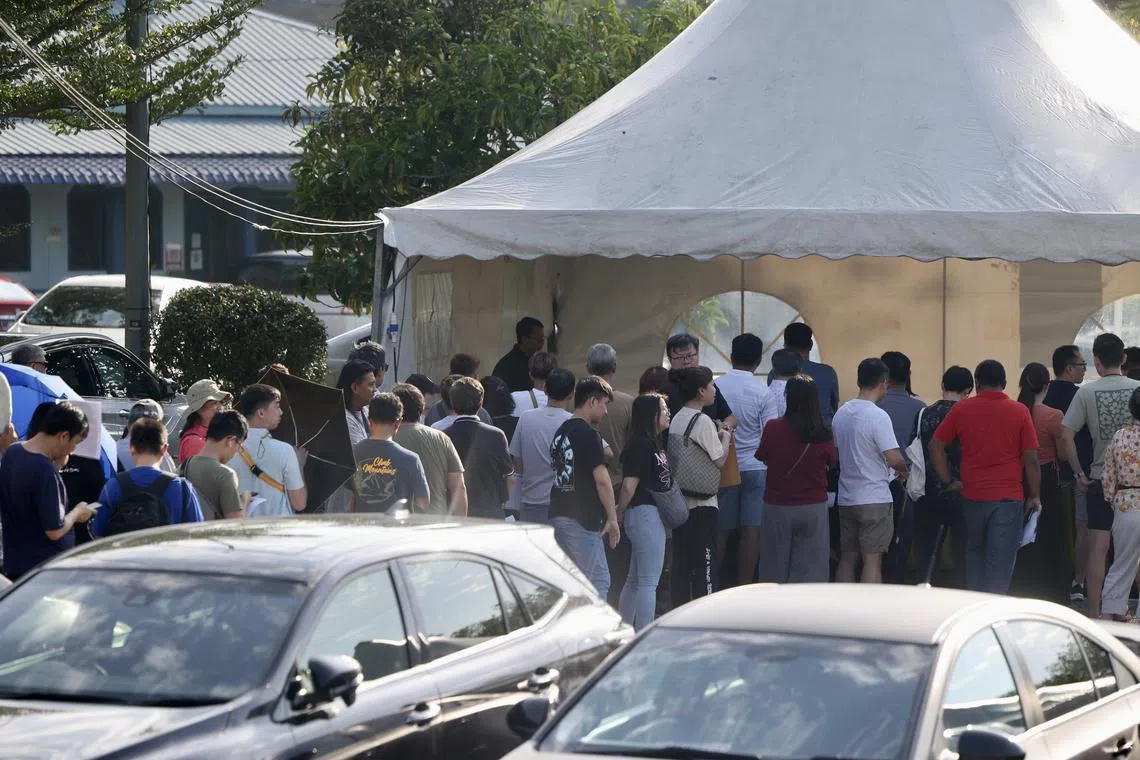
Even with the relaxed enforcement, not all motorists from Singapore say they will take the risk of driving to Malaysia until they have received the permit.
Kelly Ting is one of them. She said she will refrain from heading to Johor Bahru for the next two to three months as she anticipates plenty of confusion at the land borders.
“I anticipate there will be some challenges in the initial phase, so it’s better to avoid going to Johor Bahru for now. If I really need to go, I might just opt for public transport,” she said.
TRENDING NOW
Prima to move out of historic Keppel Road flour mill building in 2028

Temasek-related Azalea, SeaTown, Seviora Capital to merge in 2027
Family offices see more tailored products, leverage ‘collective firepower’ for direct deal access

Singapore room rates soar, but hotels seeing mixed demand from F1 race and events

