Malaysia by-election losses raise risk of reactive fiscal policy
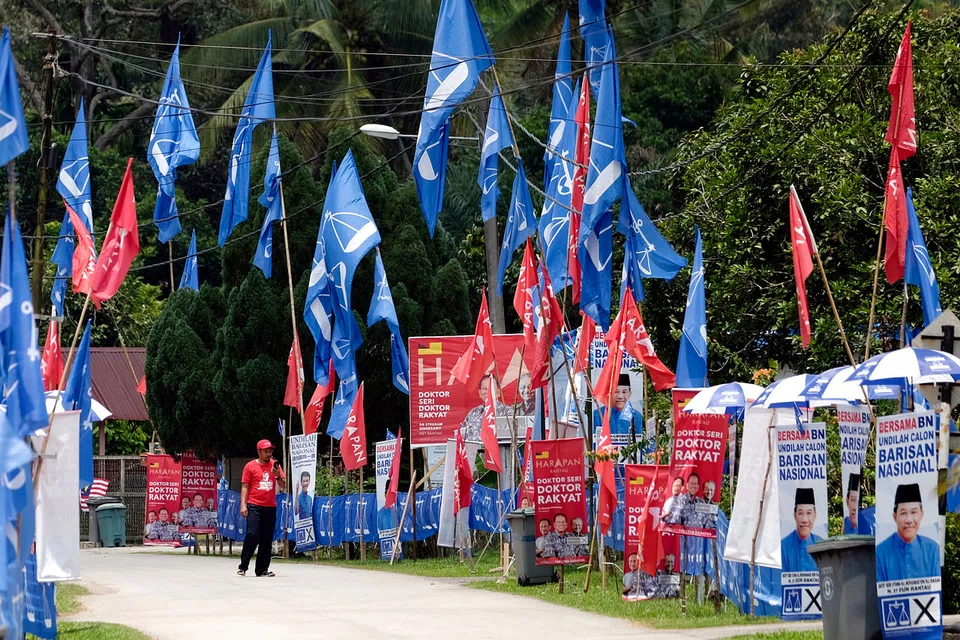
There is a rising risk of more reactive fiscal policy in the run-up to the Sandakan by-election in Sabah, Malaysia, resulting in more subsidy spending said Barclays analyst Brian Tan in a report on Monday.
This is on the back of the ruling Pakatan Harapan (PH) coalition losing the by-election in the Negeri Sembilan state constituency of Rantau on April 13. This is its third defeat since the 2018 general election following by-elections in the Selangor state constituency of Semenyih (March 2) and the parliamentary seat of Cameron Highlands in the state of Pahang (January 26).
The PH government had announced a number of measures in the run-up to the Semenyih by-election, including cash handouts, the lowering of the RON95 petrol price cap and a proposal to replace highway tolls with "congestion charges."
More measures along those lines could be in store if Sandakan threatens to slip out of PH control noted Mr Tan.
For now, the Malaysian government's plan to cut the fiscal deficit from 3.7 per cent of GDP in 2018 to 3.4 per cent in 2019 can accommodate an increase in subsidy spending and remains achievable, said Mr Tan in the report.
"We also believe the government's revenue estimates in the 2019 budget were conservative and will likely surprise positively, helped by oil prices drifting higher. Still, the risk of fiscal slippage cannot be ruled out, in our view," he said.
Share with us your feedback on BT's products and services