


Malaysia growth will be key for ringgit this year: Trade Minister
 Add BT as a preferred source
MALAYSIA’S economic expansion will have the biggest influence over how the southeast Asian country’s currency fares this year, according to Trade Minister Tengku Zafrul Aziz.
“We have to look at the growth of the economy,” he told Bloomberg Television at the World Economic Forum in Davos on Wednesday (Jan 18). “Malaysia’s growth will have a bearing on the strength on the ringgit this year, I think. That will be the key determinant.”
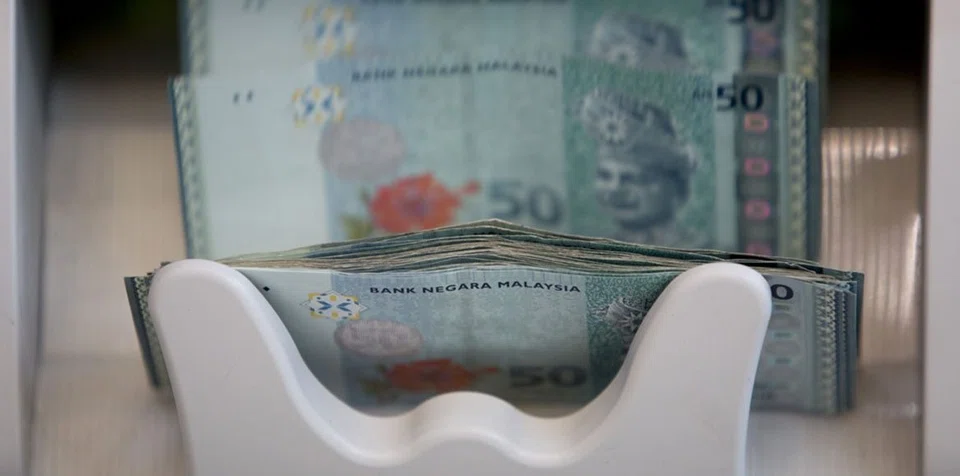
Zafrul, who was the country’s finance minister until late last year, cited a forecast for expansion of 4-5 per cent, as projected by the central bank. That would come after a rapid, reopening-driven rebound last year, which saw gross domestic product jump by 14.2 per cent in the September quarter from a year earlier — the fastest pace in more than a year.
“We are seeing that the ringgit has actually strengthened,” he said. “It is markets that dictate the value” and “from the trade perspective, from the investment perspective, as long as we are comparatively moving in the same direction with the basket of countries that are trading with us, we should be OK”, he added.
Against the backdrop of a slowing economy, he reckons Malaysia does need to take steps to make itself more amenable for companies to operate in.
“The focus will have to be on making it easier — ease of doing business,” he said. “That is one of the key opportunities for Malaysia to improve itself.”
Navigate Asia in
a new global order
Get the insights delivered to your inbox.
China’s reopening after Covid-19 lockdowns might suggest tailwinds for Malaysia this year. But Zafrul insisted a target of raising foreign direct investment by 20 per cent isn’t that conservative, “given the economic landscape, the global economy landscape”.
The country received RM194 billion (S$59.4 billion) in approved investments in first nine months of 2022, up 2.5 per cent from the year-ago period, according to the Malaysian Investment Development Authority. Foreign direct investment made up more than 67 per cent of the flows, with China being a major investor.
“No one knows of the impact of China for 2023,” he said. “I think 2024 is clearer. But 2023, there will be challenges” and “for the manufacturing sector, there will be a lag”.
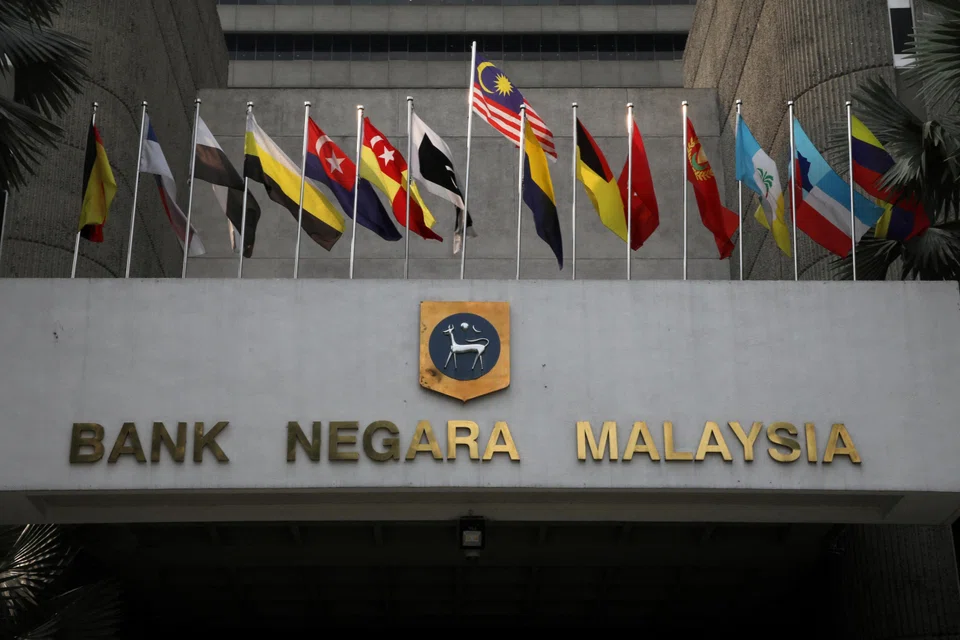
He spoke hours after the country revealed its 25th consecutive annual trade surplus, and on the eve of Bank Negara Malaysia’s first decision of the year. Most economists anticipate the central bank will tighten further, with a quarter-point interest-rate increase to 3 per cent.
Regarding the Comprehensive and Progressive Agreement for Trans-Pacific Partnership (CPTPP), which Malaysia signed days before Parliament was dissolved last October, Zafrul said that the government will stick with it.
“We will monitor this closely, but we have also made a fair public announcement that we are continuing with CPTPP.”
The accord widens Malaysia’s access to new markets such as Canada, Mexico and Peru, which are not covered by any existing free trade agreements, providing access to a wider range of raw materials at competitive prices. BLOOMBERG
Decoding Asia newsletter: your guide to navigating Asia in a new global order. Sign up here to get Decoding Asia newsletter. Delivered to your inbox. Free.
Share with us your feedback on BT's products and services

