



Malaysia importers use ceasefire window to buy US dollars, Citi says
The ringgit has been under pressure since the start of the Iran war, falling to 4.0512 against the US dollar
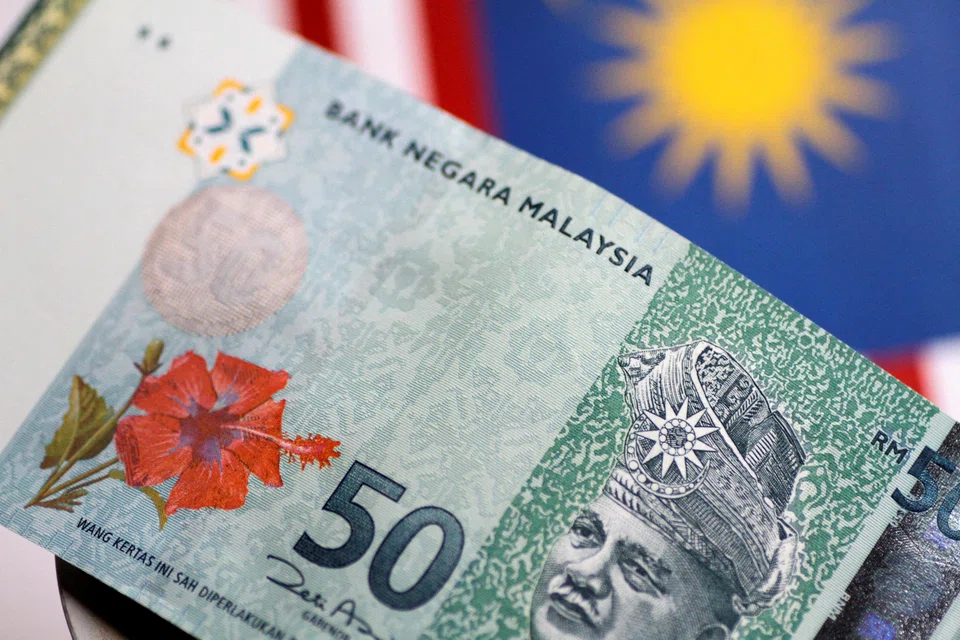
[KUALA LUMPUR] Some Malaysian importers snapped up US dollars on Wednesday (Apr 8), capitalising on the greenback’s retreat, said Citigroup.
The US dollar weakened as much as 1.4 per cent against the ringgit as haven demand eased, after the US and Iran agreed to a two-week ceasefire.
Importers often use such instances to hedge currency risk, buying US dollars when they are relatively cheap to lower import costs.
Vandana Bhatter, Citigroup’s head of corporate FX sales for Asia-Pacific, said: “There’s been opportunistic US dollar buying from some importers today, particularly from the manufacturing and automotive sectors.”
Importers largely remained on the sidelines in the past one to two weeks when the ringgit traded above RM4 per US dollar, she added.
The ringgit has been under pressure since the war in Iran broke out, falling to as low as 4.0512 against the US dollar as risk sentiment deteriorated.


Prior to the conflict, the currency had strengthened to an eight-year high of RM3.88 per US dollar, supported by strong domestic demand, buoyant exports and a surge in investment in Malaysia’s booming data-centre sector.
While Malaysian importers have been taking advantage of the sudden US dollar weakness, the nation’s exporters adopted a more measured approach.
“Exporter activity has been primarily focused on covering residual short-term requirements, as many had already increased their hedges when the currency pair was above levels of RM4 per US dollar last week,” said Bhatter. BLOOMBERG
Decoding Asia newsletter: your guide to navigating Asia in a new global order. Sign up here to get Decoding Asia newsletter. Delivered to your inbox. Free.
Share with us your feedback on BT's products and services
TRENDING NOW

DBS, OCBC, UOB rout lops billions off STI as inflation, rate concerns spook investors

Grab CEO’s wife Chloe Tong on life with Anthony Tan and finding her purpose

OCBC sheds S$8 billion in value as shares close nearly 6% down; analysts cautious on banks

Deal between tycoon friends sparks scrutiny of Philippine power sector

