


Malaysia inflation rises to 2.8% in May, led by decade-high food inflation
Tan Ai Leng
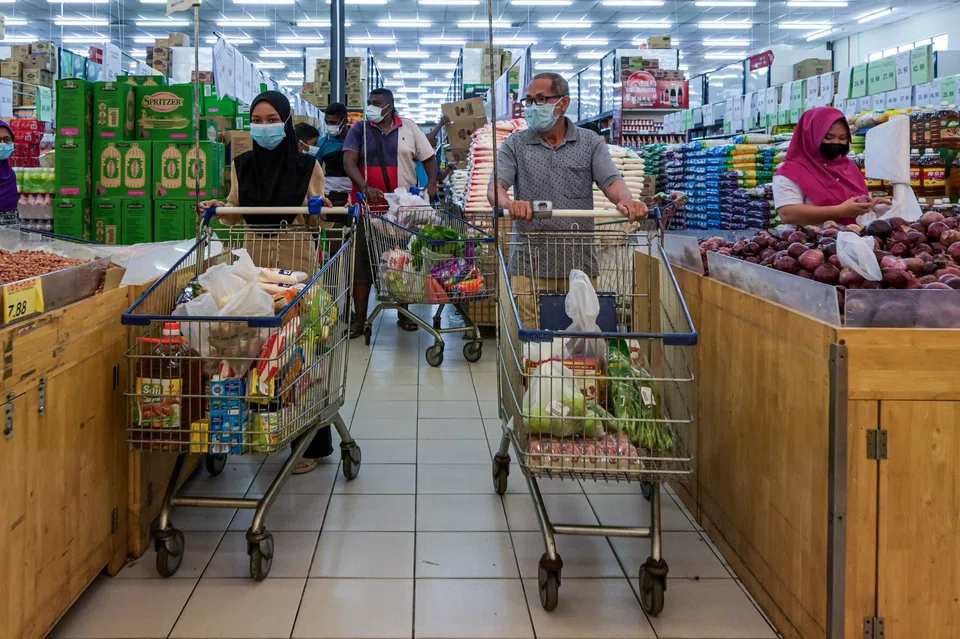
A DECADE-HIGH surge in food prices has fuelled Malaysia’s overall inflation in May, with the consumer price index (CPI) up 2.8 per cent from a year ago, higher than the 2.3 per cent figure in April.
For the first 5 months of 2022, inflation has reached 2.4 per cent, compared to 2.1 per cent for the same period in 2021. On a monthly basis, the CPI rose 0.6 per cent from April to May.
Mohd Uzir Mahidin, chief statistician of Department of Statistics Malaysia, said that food inflation continued to rise to a new high of 5.2 per cent – the highest since November 2011 – with 93 per cent of items in this group recording price increases.
Higher food prices are a major contributor to inflation, with prices of food and non-alcoholic beverages having risen 5.2 per cent month on month in May. Food and non-alcoholic beverages also account for the largest share of Malaysia’s CPI basket, with a 29.5 per cent weight.
Among food-related CPI components, meat prices surged 9.5 per cent in May due to strong festive demand.
Reflecting the impact of escalating chicken feed costs, the price of chicken – which forms the largest part of the CPI’s meat segment – rose 13.4 per cent, accelerating from the 7.5 per cent rise in April, said Dr Uzir in a statement on Friday (Jun 24).
The average price of chicken in May was RM9.70 (S$3.05) per kilogram, up from RM8.44 a year ago.
Among other CPI components, transport prices rose 3.9 per cent, while the restaurants and hotels segment rose 3.7 per cent.
Market observers foresee that Malaysia’s cost of living will continue to rise with the removal of subsidies for bottled cooking oil and eggs, as well as ceiling prices for broiler chickens, from Jul 1.
Mohd Afzanizam Abdul Rashid, chief economist of Bank Islam, said that although May’s inflation rate was lower than his projection of 3 per cent, escalating consumer prices will continue pushing up the inflation rate in coming months.
“Soaring inflation will continue due to higher cost of doing business, weakening ringgit and supply chain disruption. Although there’s a need to relook at the current subsidy structure to ensure it benefits the low-income group, choosing the right timing is crucial or it may aggravate the prevailing condition,” he told The Business Times.
On June 22, Malaysian prime minister Ismail Sabri Yaakob announced an additional RM630 million cash aid under the Bantuan Keluarga Malaysia scheme to alleviate the financial burden on the lower income group.
Under the scheme, close to 8.6 million people will receive cash handouts of RM100 for eligible low-income households and RM50 for eligible single individuals.
In a June 23 statement, Democratic Action Party chairman Lim Guan Eng expressed disappointment in the additional cash aid, describing it as a “band aid” package that will not have a significant impact in helping middle income groups as well as small and medium scale enterprises.
Malaysia’s subsidies are a significant fiscal commitment, with Fitch Solutions noting that the higher subsidy bill which the government has incurred to manage inflation is likely to exceed the additional revenue brought by higher oil prices.
In its report on Jun 24, the research firm expects Malaysia’s fiscal deficit to expand to 6.5 per cent, from 6.3 per cent previously, amid heavy subsidies spending.



