


Malaysia to lift export ban on renewable energy in accelerated transition plans
 Add BT as a preferred source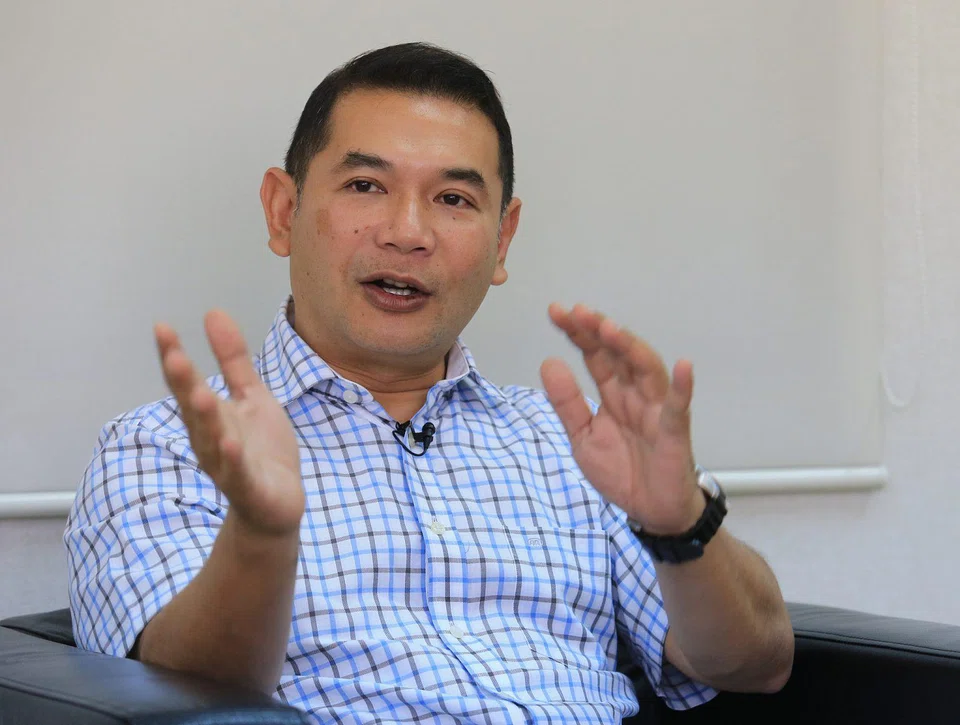
MALAYSIA will lift a ban on exports of renewable energy, as part of efforts to develop its clean-power industry and boost generation from non-fossil fuel sources, its economic affairs minister said on Tuesday (May 9).
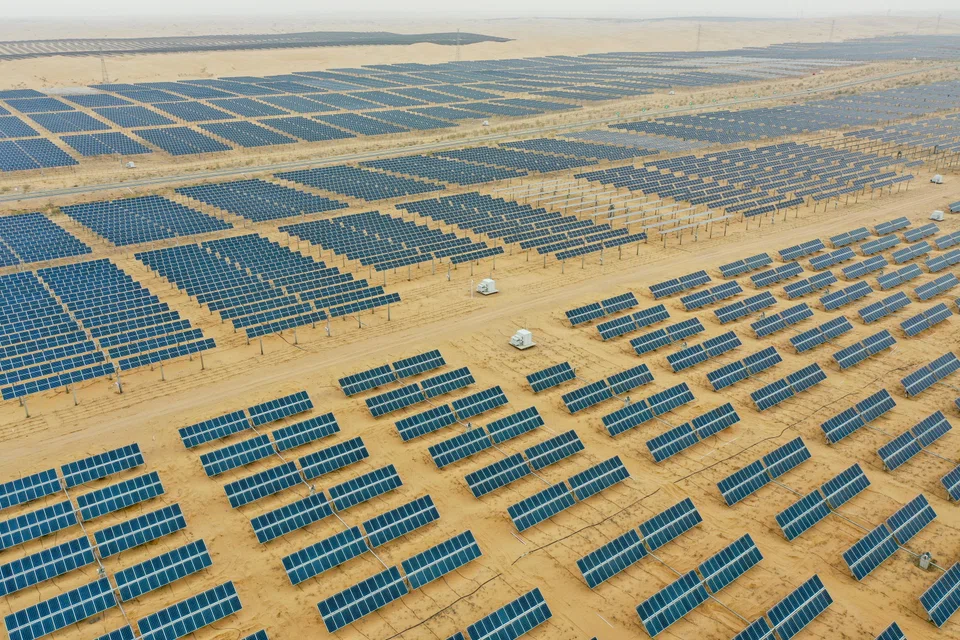
The South-east Asian country, which currently generates just over 1 per cent of its electricity annually from renewable sources, banned its exports in October 2021 in the hopes of developing the local industry.
Rafizi Ramli said reversing the ban will help firms build renewable-power generation capacity on a larger scale and take advantage of high demand from neighbouring Singapore.
“The creation of an electricity market system to implement cross-border renewable-energy trade will put Malaysia ahead as a regional renewable-energy hub,” he said, adding that the system will be developed by the government at a later, unspecified date.
He did not specify when the export ban would be lifted.
Malaysia has pledged to cut its greenhouse gas emissions dramatically by 2030 and reach net-zero emissions by 2050.
Navigate Asia in
a new global order
Get the insights delivered to your inbox.
The International Renewable Energy Agency (IRENA) said in March that Malaysia will need to double its investments in renewable-power capacity, infrastructure and energy efficiency to at least US$375 billion, in order to achieve that ambitious target.
Rafizi said the government aims to increase the proportion of renewable-energy supply to 70 per cent of its total capacity by 2050, in a bid to create new economic opportunities and attract foreign investment. He also noted that the current installed capacity is 25 per cent of the total. The expanded capacity would allow surplus renewables capacity to be traded with neighbouring countries, he added.
Increasing renewable-energy capacity will require an estimated RM637 billion (S$190 billion) in investment until the year 2050, Rafizi said, including in power-generation resources, grid infrastructure and energy storage capacity. REUTERS
Decoding Asia newsletter: your guide to navigating Asia in a new global order. Sign up here to get Decoding Asia newsletter. Delivered to your inbox. Free.
Share with us your feedback on BT's products and services

